



Parametry
Więcej o książce
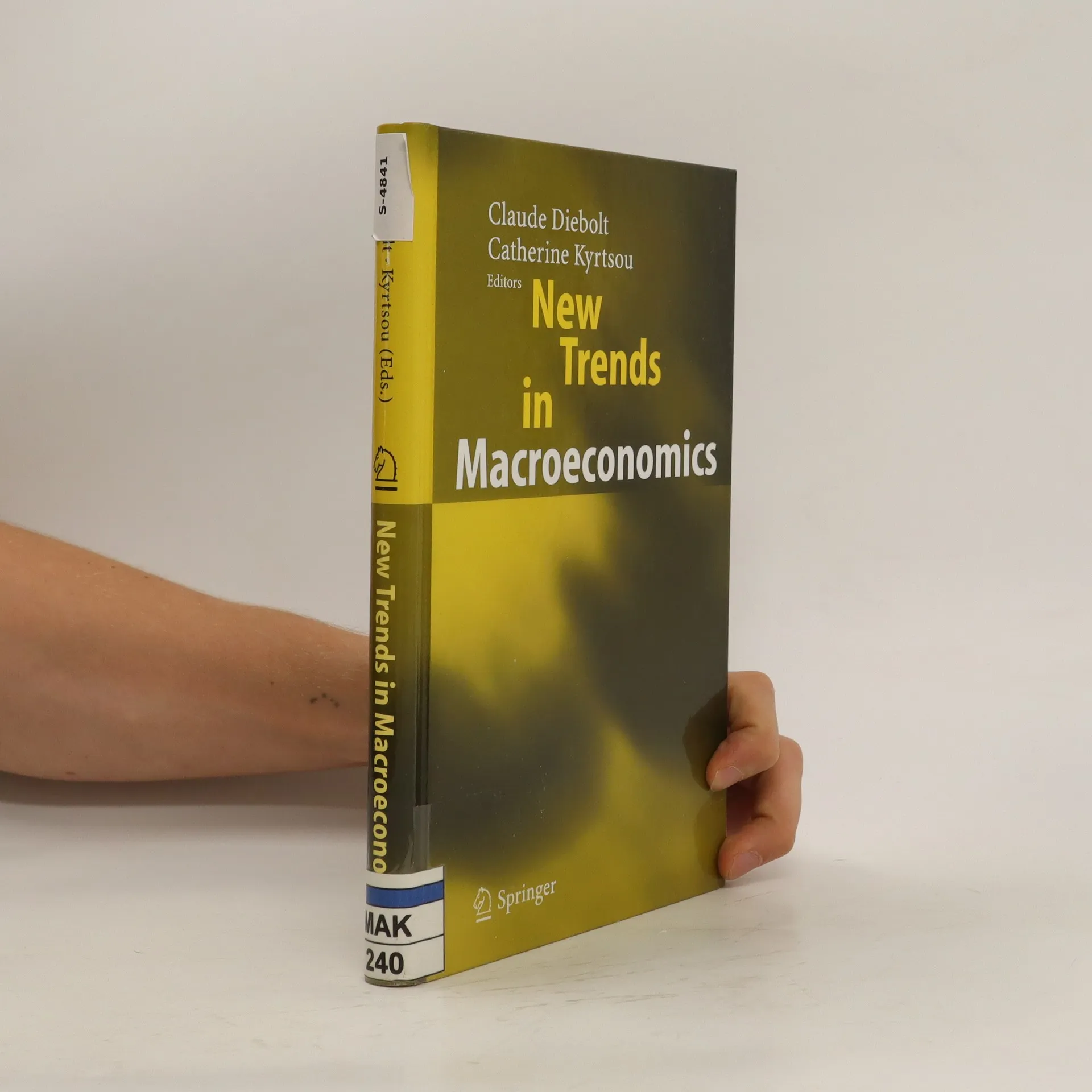
Macroeconomic theory and macroeconometrics are increasingly essential for studying economics. It is widely accepted that combining economic theory with historical, statistical, and mathematical methods is crucial for accurately formulating problems, drawing conclusions, and understanding complex processes. This book exemplifies the Editors' belief in this principle, offering fresh insights into macroeconomic analysis. It explores both theoretical and empirical results concerning the dynamics within and between macroeconomic variables. Five key areas are addressed: (1) mechanisms of economic dynamics, (2) structures of macroeconomic variables, and (3) relationships between macroeconomic time series. Additionally, it presents advancements in methodologies, including (4) improved linear testing and (5) the application of new non-linear techniques. Individual contributions include Benassy’s chapter, which examines the propagation of macroeconomic shocks through a dynamic model featuring wage and price staggering. His findings indicate a persistent response of both output and inflation to monetary shocks, highlighting the significance of these dynamics in understanding macroeconomic behavior.
Zakup książki
New trends in macroeconomics, Claude Diebolt
- Język

- Rok wydania
- 2005
- Oprawa
- (twarda)
Metody płatności
Nikt jeszcze nie ocenił.
- Tytuł
- New trends in macroeconomics
- Język
- angielski
- Autorzy
- Claude Diebolt
- Wydawca
- Springer
- Rok wydania
- 2005
- Oprawa
- twarda
- ISBN10
- 3540214488
- ISBN13
- 9783540214489
- Seria
- Tagi
- Biznes
- Opis
- Macroeconomic theory and macroeconometrics are increasingly essential for studying economics. It is widely accepted that combining economic theory with historical, statistical, and mathematical methods is crucial for accurately formulating problems, drawing conclusions, and understanding complex processes. This book exemplifies the Editors' belief in this principle, offering fresh insights into macroeconomic analysis. It explores both theoretical and empirical results concerning the dynamics within and between macroeconomic variables. Five key areas are addressed: (1) mechanisms of economic dynamics, (2) structures of macroeconomic variables, and (3) relationships between macroeconomic time series. Additionally, it presents advancements in methodologies, including (4) improved linear testing and (5) the application of new non-linear techniques. Individual contributions include Benassy’s chapter, which examines the propagation of macroeconomic shocks through a dynamic model featuring wage and price staggering. His findings indicate a persistent response of both output and inflation to monetary shocks, highlighting the significance of these dynamics in understanding macroeconomic behavior.