

Więcej o książce
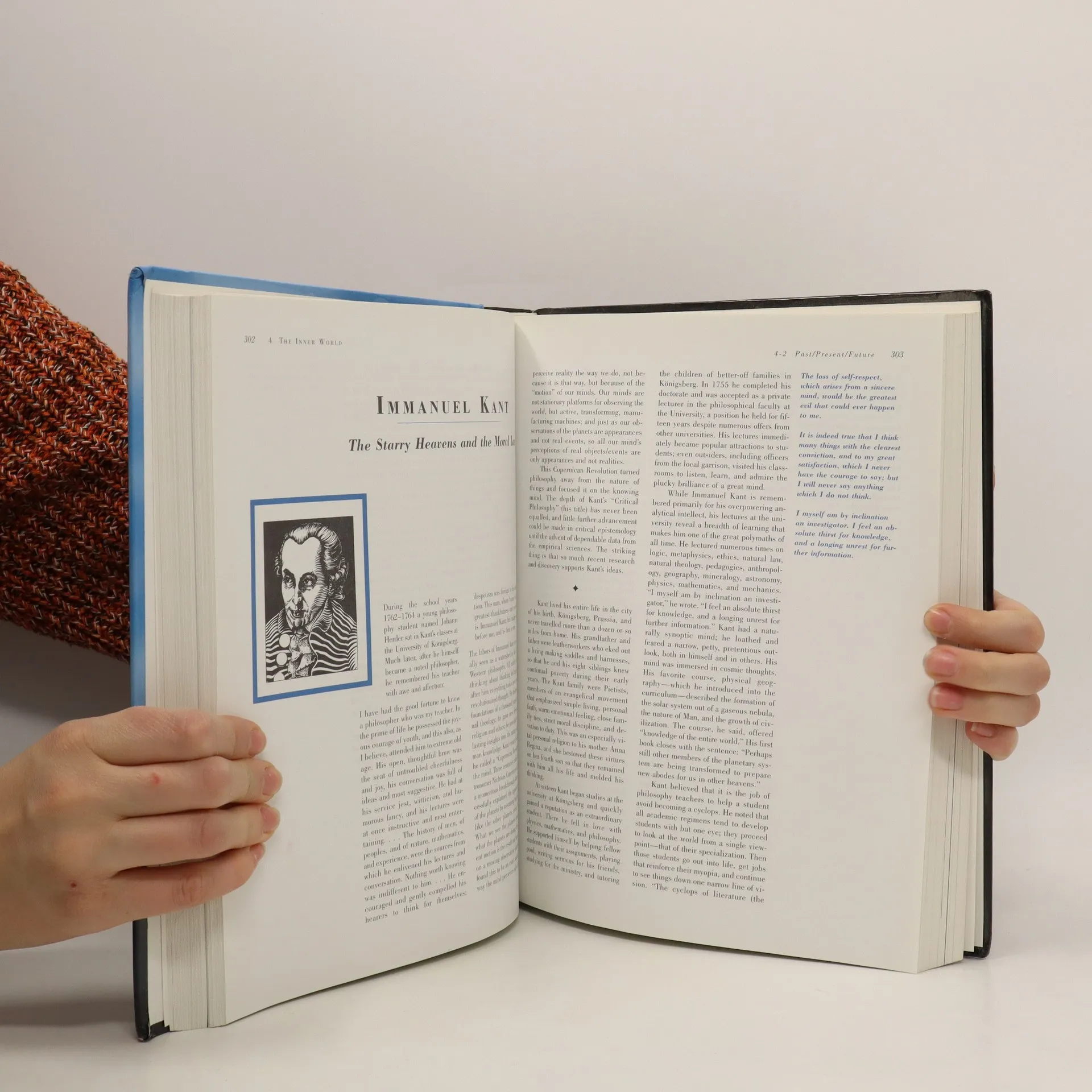
This popular introductory text provides a unique diversity of teaching tools for instructors who prefer a synoptic approach. The text is visually appealing and reader friendly. The author accents his accessible writing with cartoons, quotations, and related findings from the social and physical sciences, reinforcing his emphasis on philosophy as the individual's attempt to unify disparate world views. The level of writing makes all philosophical concepts accessible to students. The emphasis is on synoptic thinking and providing the "big picture," including analytical skills. The biographies give the student a feeling for the great thinkers who have fashioned the Western philosophic tradition and have determined largely how we think today.
Zakup książki
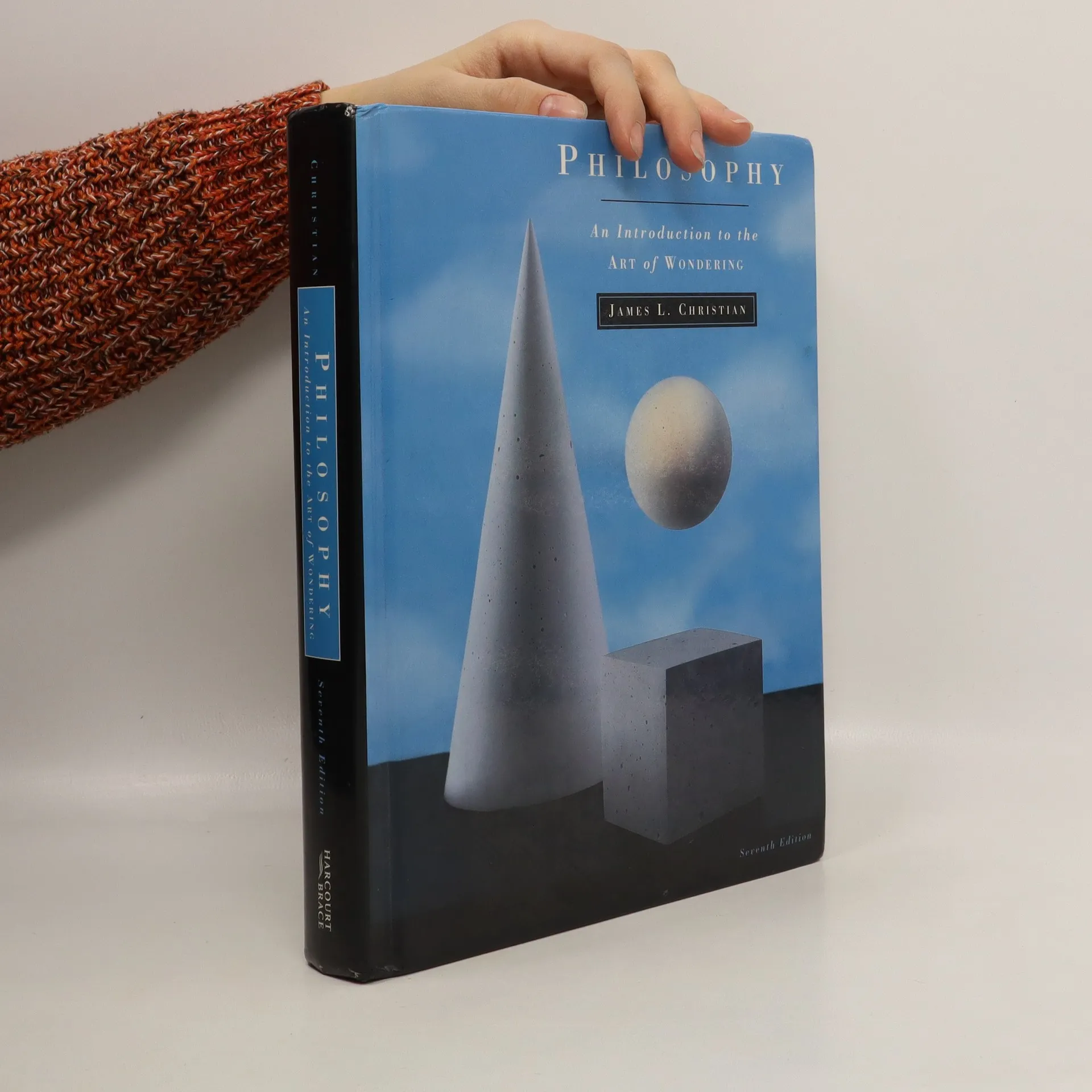
Philosophy: an introduction to the artof wondering, James Lee Christian
- Język

- Rok wydania
- 1998
- Oprawa
- (miękka)
Metody płatności
Brakuje nam tutaj Twojej recenzji.
- Tytuł
- Philosophy: an introduction to the artof wondering
- Język
- angielski
- Autorzy
- James Lee Christian
- Wydawca
- Harcourt College Pub
- Rok wydania
- 1998
- Oprawa
- miękka
- Liczba stron
- 738
- ISBN10
- 0155055925
- ISBN13
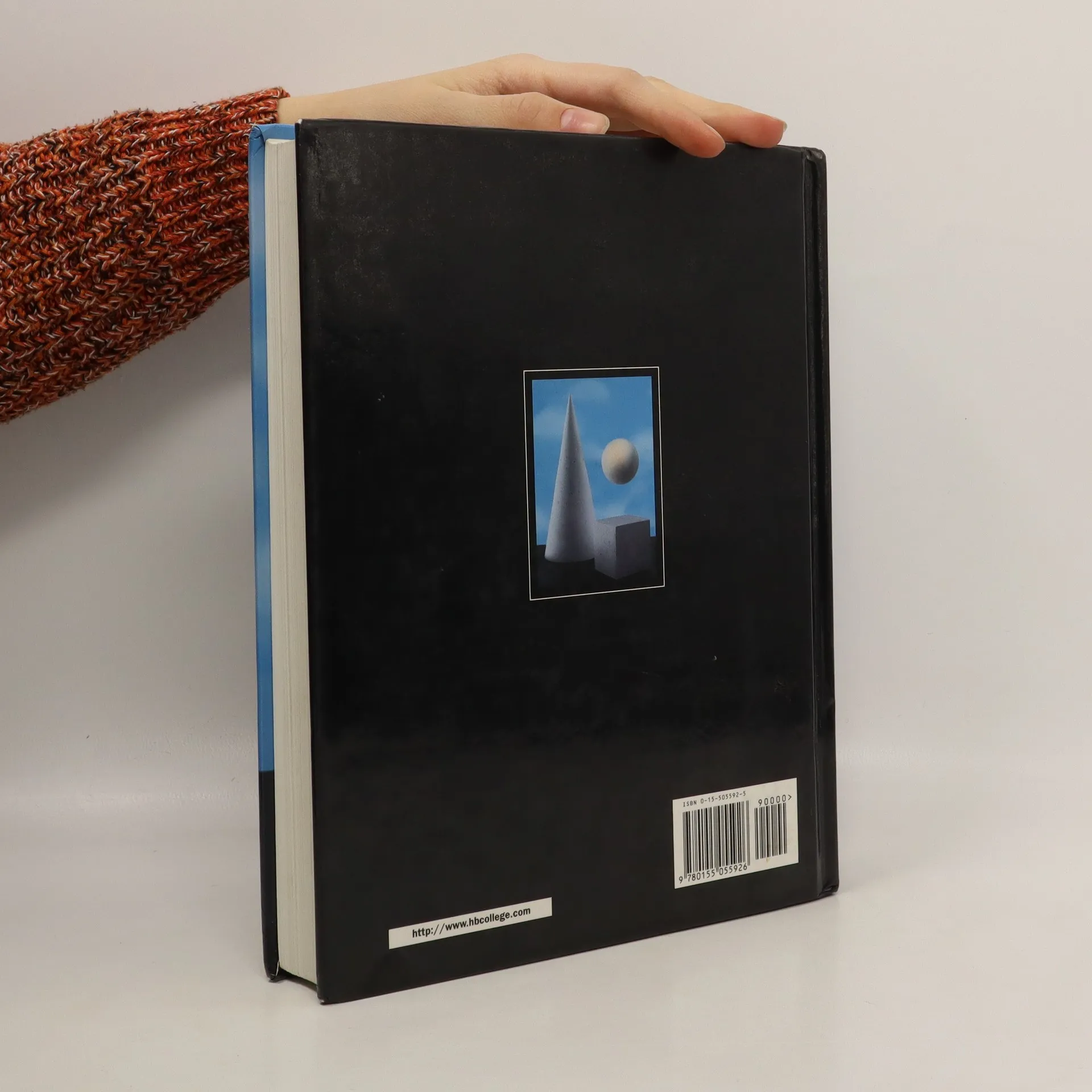
- 9780155055926
- Seria
- Kolekcja
- Seventh Edition
- Ocena
- 3,6 z 5
- Opis
- This popular introductory text provides a unique diversity of teaching tools for instructors who prefer a synoptic approach. The text is visually appealing and reader friendly. The author accents his accessible writing with cartoons, quotations, and related findings from the social and physical sciences, reinforcing his emphasis on philosophy as the individual's attempt to unify disparate world views. The level of writing makes all philosophical concepts accessible to students. The emphasis is on synoptic thinking and providing the "big picture," including analytical skills. The biographies give the student a feeling for the great thinkers who have fashioned the Western philosophic tradition and have determined largely how we think today.