


Więcej o książce
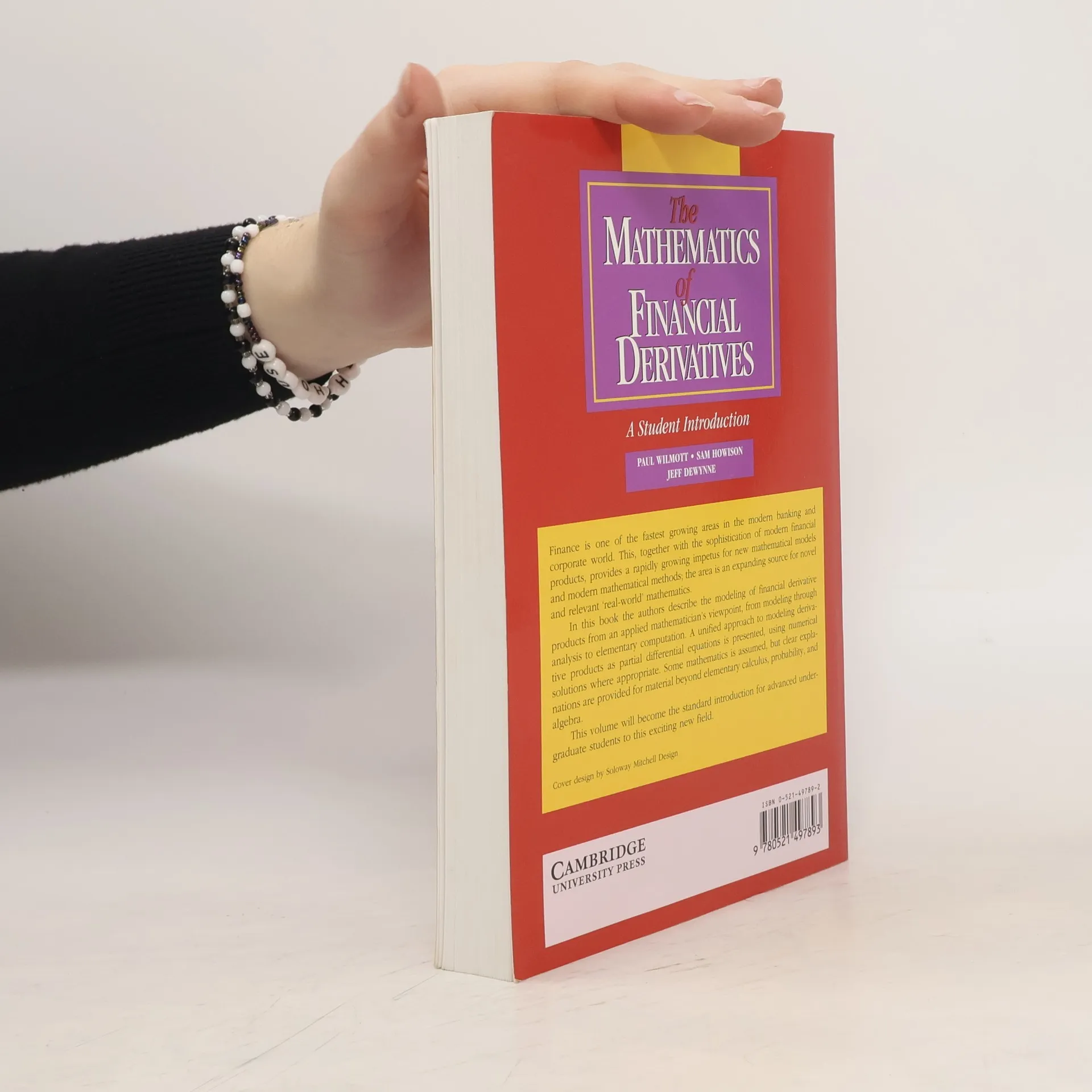
Finance is one of the fastest growing areas in the modern banking and corporate world. This, together with the sophistication of modern financial products, provides a rapidly growing impetus for new mathematical models and modern mathematical methods. Indeed, the area is an expanding source for novel and relevant "real-world" mathematics. In this book, the authors describe the modeling of financial derivative products from an applied mathematician's viewpoint, from modeling to analysis to elementary computation. The authors present a unified approach to modeling derivative products as partial differential equations, using numerical solutions where appropriate. The authors assume some mathematical background, but provide clear explanations for material beyond elementary calculus, probability, and algebra. This volume will become the standard introduction for advanced undergraduate students to this exciting new field.
Zakup książki
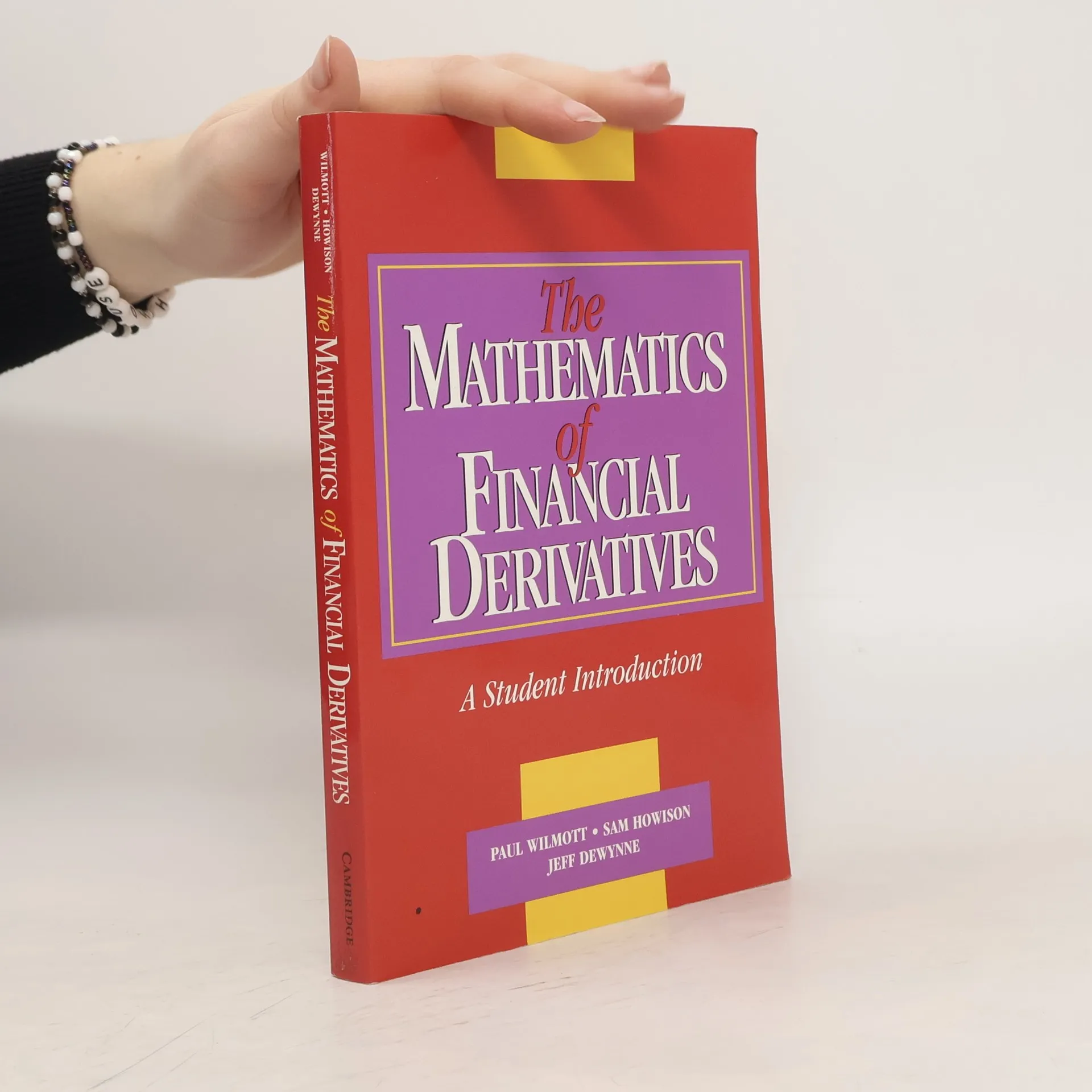
The Mathematics of Financial Derivatives, Paul Wilmott, Sam Howison, Jeff Dewynne
- Język

- Rok wydania
- 1995
- Oprawa
- (miękka)
Metody płatności
Brakuje nam tutaj Twojej recenzji.
- Tytuł
- The Mathematics of Financial Derivatives
- Podtytuł
- A Student Introduction
- Język
- angielski
- Autorzy
- Paul Wilmott, Sam Howison, Jeff Dewynne
- Wydawca
- Cambridge University Press
- Rok wydania
- 1995
- Oprawa
- miękka
- ISBN10
- 0521497892
- ISBN13
- 9780521497893
- Seria
- Ocena
- 3,7 z 5
- Opis
- Finance is one of the fastest growing areas in the modern banking and corporate world. This, together with the sophistication of modern financial products, provides a rapidly growing impetus for new mathematical models and modern mathematical methods. Indeed, the area is an expanding source for novel and relevant "real-world" mathematics. In this book, the authors describe the modeling of financial derivative products from an applied mathematician's viewpoint, from modeling to analysis to elementary computation. The authors present a unified approach to modeling derivative products as partial differential equations, using numerical solutions where appropriate. The authors assume some mathematical background, but provide clear explanations for material beyond elementary calculus, probability, and algebra. This volume will become the standard introduction for advanced undergraduate students to this exciting new field.