

Więcej o książce
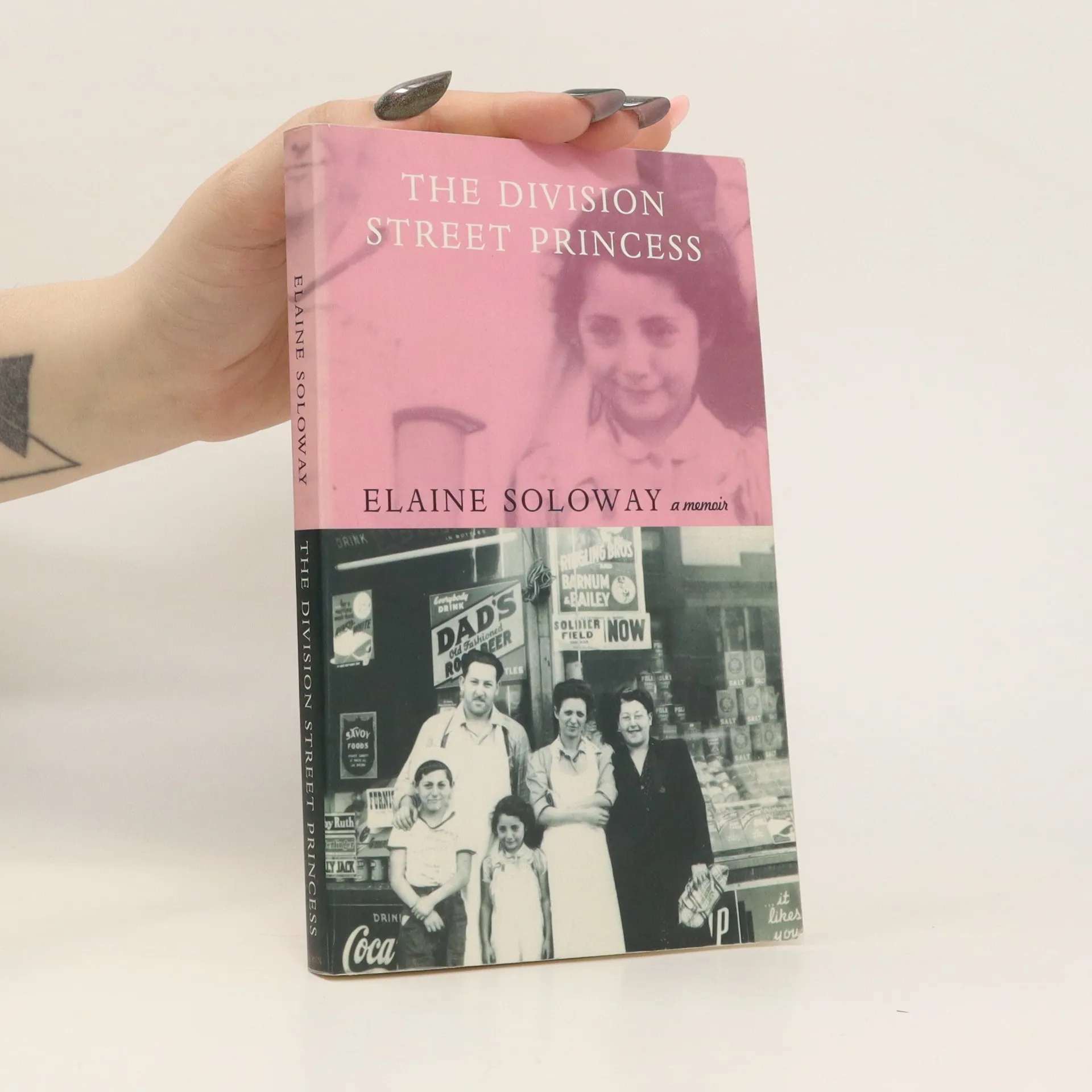
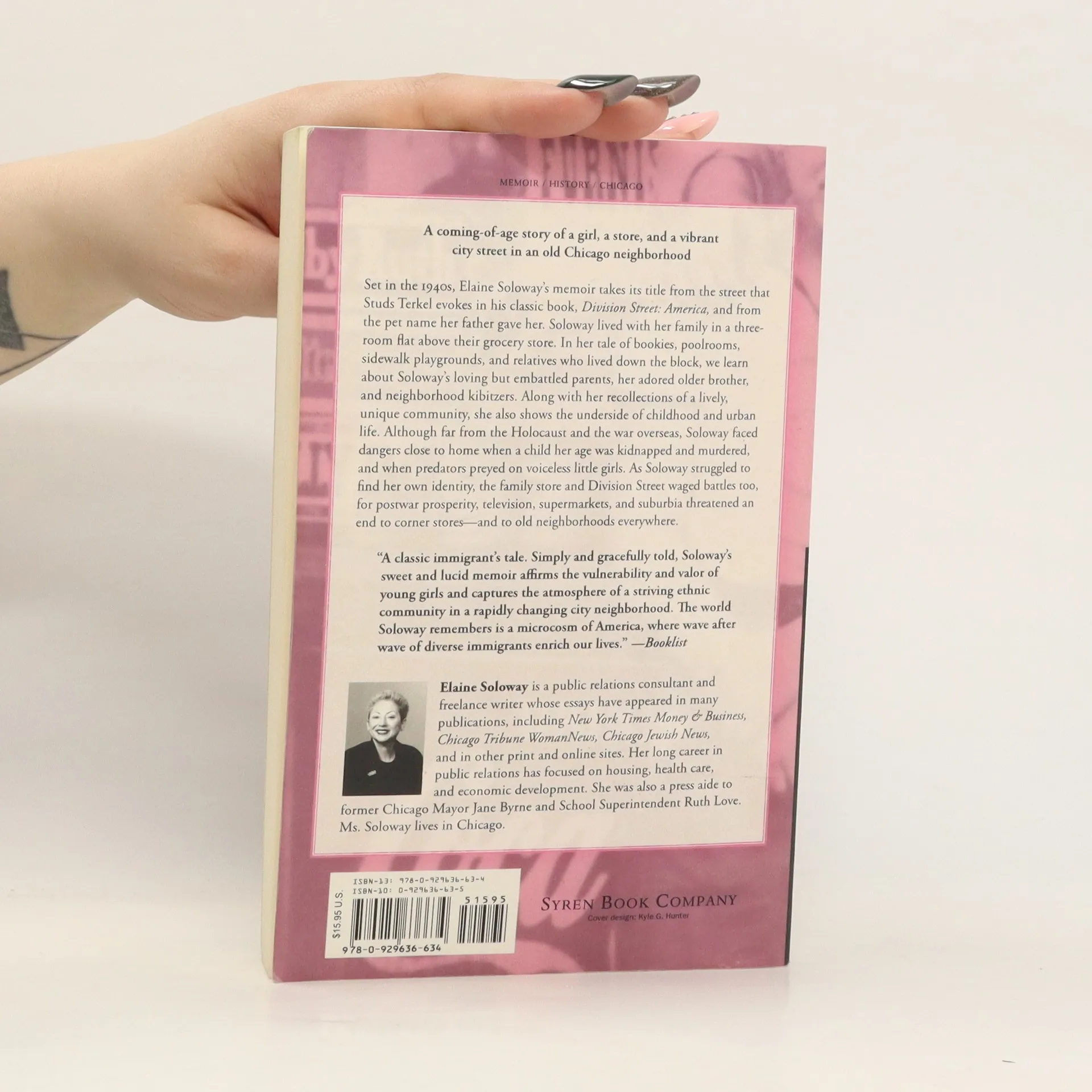
Set in the 1940s, Elaine Soloway's memoir takes its title from the street that Studs Terkel exalts in his classic book, "Division Street: America" and from the pet name her father gave her. Soloway lived in a three-room flat above her family's grocery store. In her tale of bookies, poolrooms, sidewalk playgrounds, and relatives who lived down the block, we learn about her loving but embattled parents, her adored older brother, and neighborhood kibitzers. Along with her recollections of a lively, unique community, she also shows the underside of childhood and urban life. Although far from the Holocaust and the war overseas, Soloway faced dangers close to home when a child her age was horribly murdered, and when predators preyed on voiceless little girls. As Soloway struggled to find her own identity, the family store and Division Street waged battles too: for post-war prosperity, television, supermarkets, and suburbia threatened an end to corner stores and to old neighborhoods everywhere.
Zakup książki
The Division Street Princess, Elaine Soloway
- Język

- Rok wydania
- 2006
- Oprawa
- (miękka)
Metody płatności
Brakuje nam tutaj Twojej recenzji.
- Tytuł
- The Division Street Princess
- Język
- angielski
- Autorzy
- Elaine Soloway
- Wydawca
- Syren Book Company
- Rok wydania
- 2006
- Oprawa
- miękka
- Liczba stron
- 240
- ISBN10
- 0929636635
- ISBN13
- 9780929636634
- Seria
- Tagi
- Ocena
- 3,6 z 5
- Opis
- Set in the 1940s, Elaine Soloway's memoir takes its title from the street that Studs Terkel exalts in his classic book, "Division Street: America" and from the pet name her father gave her. Soloway lived in a three-room flat above her family's grocery store. In her tale of bookies, poolrooms, sidewalk playgrounds, and relatives who lived down the block, we learn about her loving but embattled parents, her adored older brother, and neighborhood kibitzers. Along with her recollections of a lively, unique community, she also shows the underside of childhood and urban life. Although far from the Holocaust and the war overseas, Soloway faced dangers close to home when a child her age was horribly murdered, and when predators preyed on voiceless little girls. As Soloway struggled to find her own identity, the family store and Division Street waged battles too: for post-war prosperity, television, supermarkets, and suburbia threatened an end to corner stores and to old neighborhoods everywhere.