

Więcej o książce
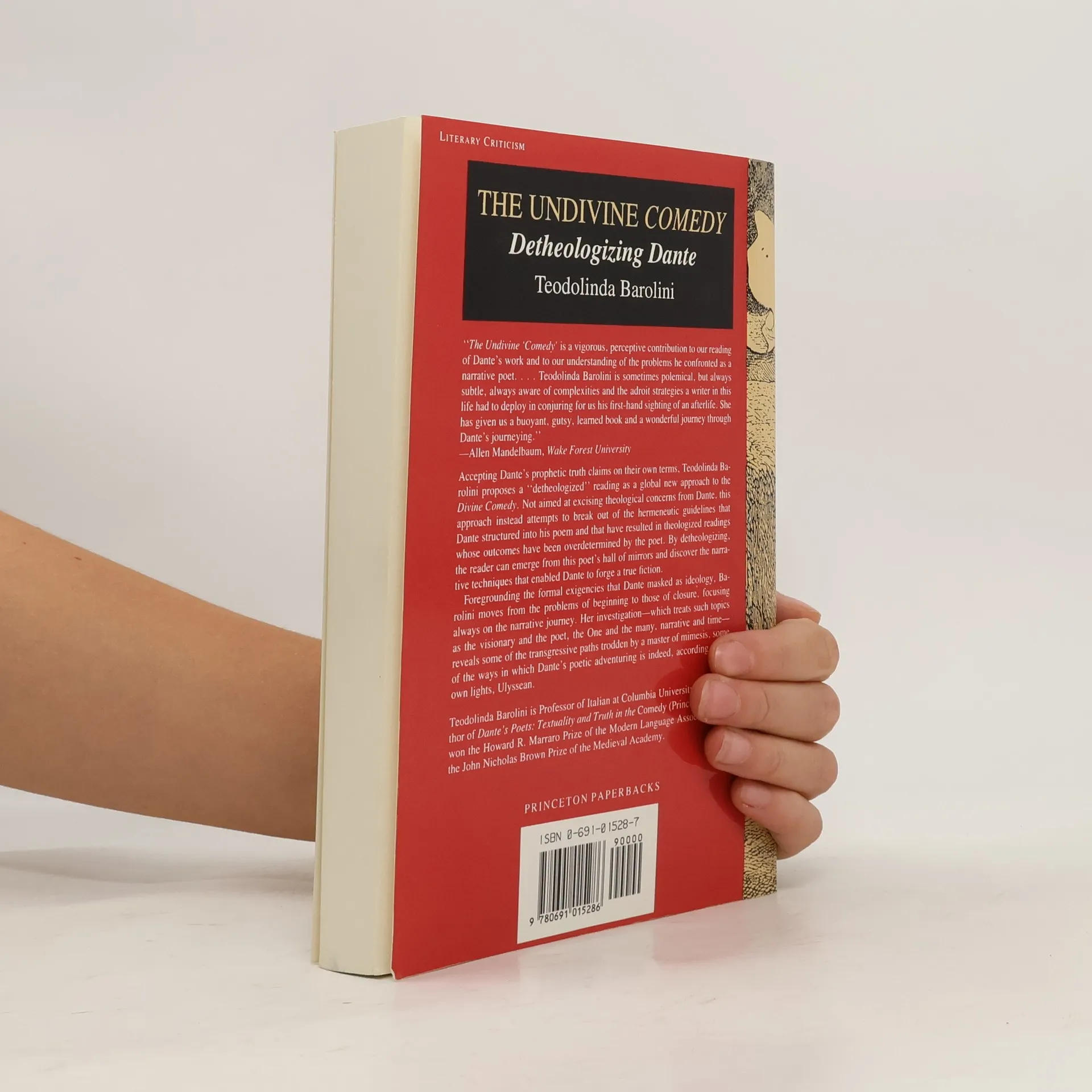
Accepting Dante's prophetic truth claims on their own terms, Teodolinda Barolini proposes a "detheologized" reading as a global new approach to the Divine Comedy. Not aimed at excising theological concerns from Dante, this approach instead attempts to break out of the hermeneutic guidelines that Dante structured into his poem and that have resulted in theologized readings whose outcomes have been overdetermined by the poet. By detheologizing, the reader can emerge from this poet's hall of mirrors and discover the narrative techniques that enabled Dante to forge a true fiction. Foregrounding the formal exigencies that Dante masked as ideology, Barolini moves from the problems of beginning to those of closure, focusing always on the narrative journey. Her investigation--which treats such topics as the visionary and the poet, the One and the many, narrative and time--reveals some of the transgressive paths trodden by a master of mimesis, some of the ways in which Dante's poetic adventuring is indeed, according to his own lights, Ulyssean.
Zakup książki
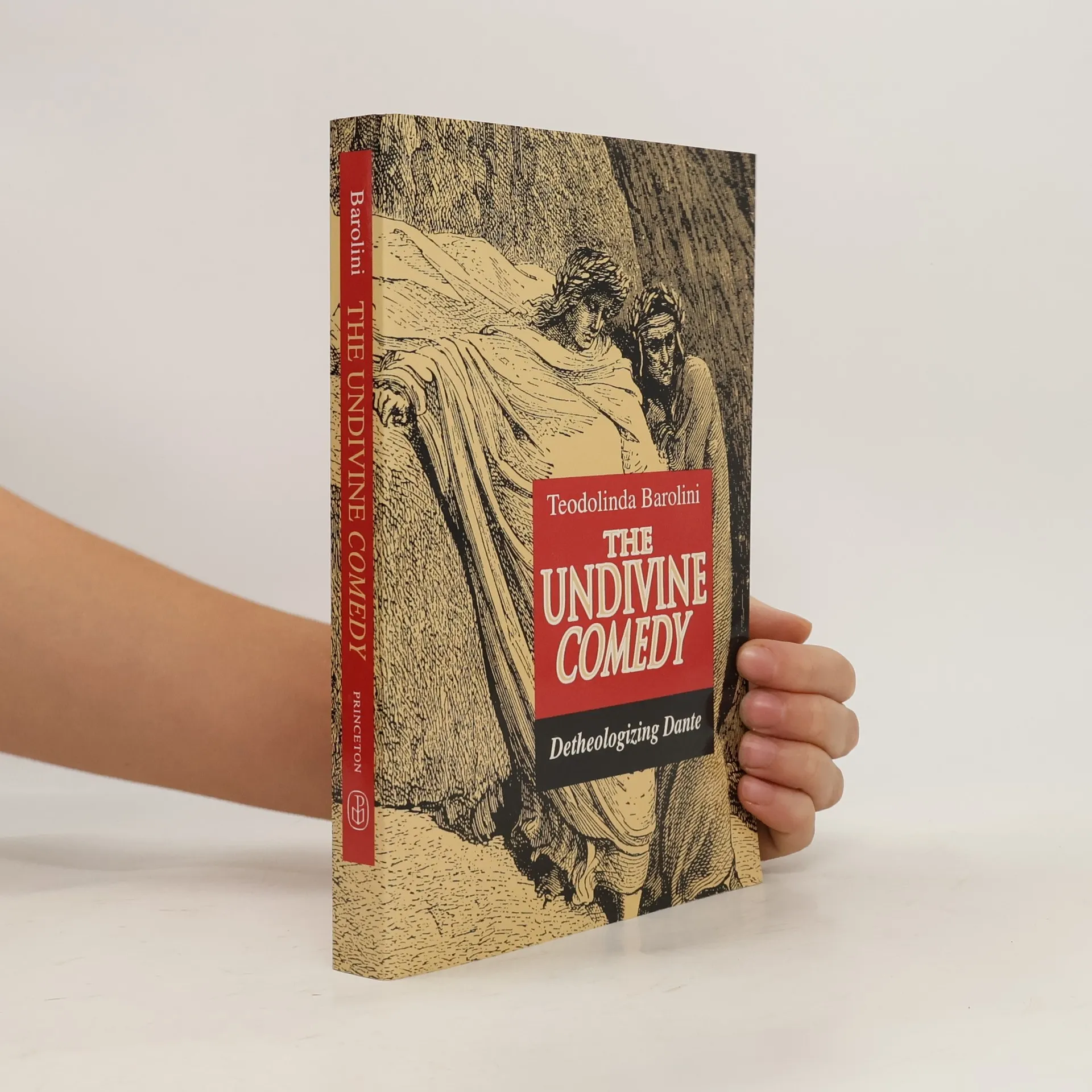
The Undivine Comedy, Teodolinda Barolini
- Język

- Rok wydania
- 1992
- Oprawa
- (miękka)
Metody płatności
Brakuje nam tutaj Twojej recenzji.
- Tytuł
- The Undivine Comedy
- Podtytuł
- Detheologizing Dante
- Język
- angielski
- Autorzy
- Teodolinda Barolini
- Rok wydania
- 1992
- Oprawa
- miękka
- Liczba stron
- 356
- ISBN10
- 0691015287
- ISBN13
- 9780691015286
- Seria
- Kategorie
- Tagi
- Ocena
- 4,05 z 5
- Opis
- Accepting Dante's prophetic truth claims on their own terms, Teodolinda Barolini proposes a "detheologized" reading as a global new approach to the Divine Comedy. Not aimed at excising theological concerns from Dante, this approach instead attempts to break out of the hermeneutic guidelines that Dante structured into his poem and that have resulted in theologized readings whose outcomes have been overdetermined by the poet. By detheologizing, the reader can emerge from this poet's hall of mirrors and discover the narrative techniques that enabled Dante to forge a true fiction. Foregrounding the formal exigencies that Dante masked as ideology, Barolini moves from the problems of beginning to those of closure, focusing always on the narrative journey. Her investigation--which treats such topics as the visionary and the poet, the One and the many, narrative and time--reveals some of the transgressive paths trodden by a master of mimesis, some of the ways in which Dante's poetic adventuring is indeed, according to his own lights, Ulyssean.