

Więcej o książce
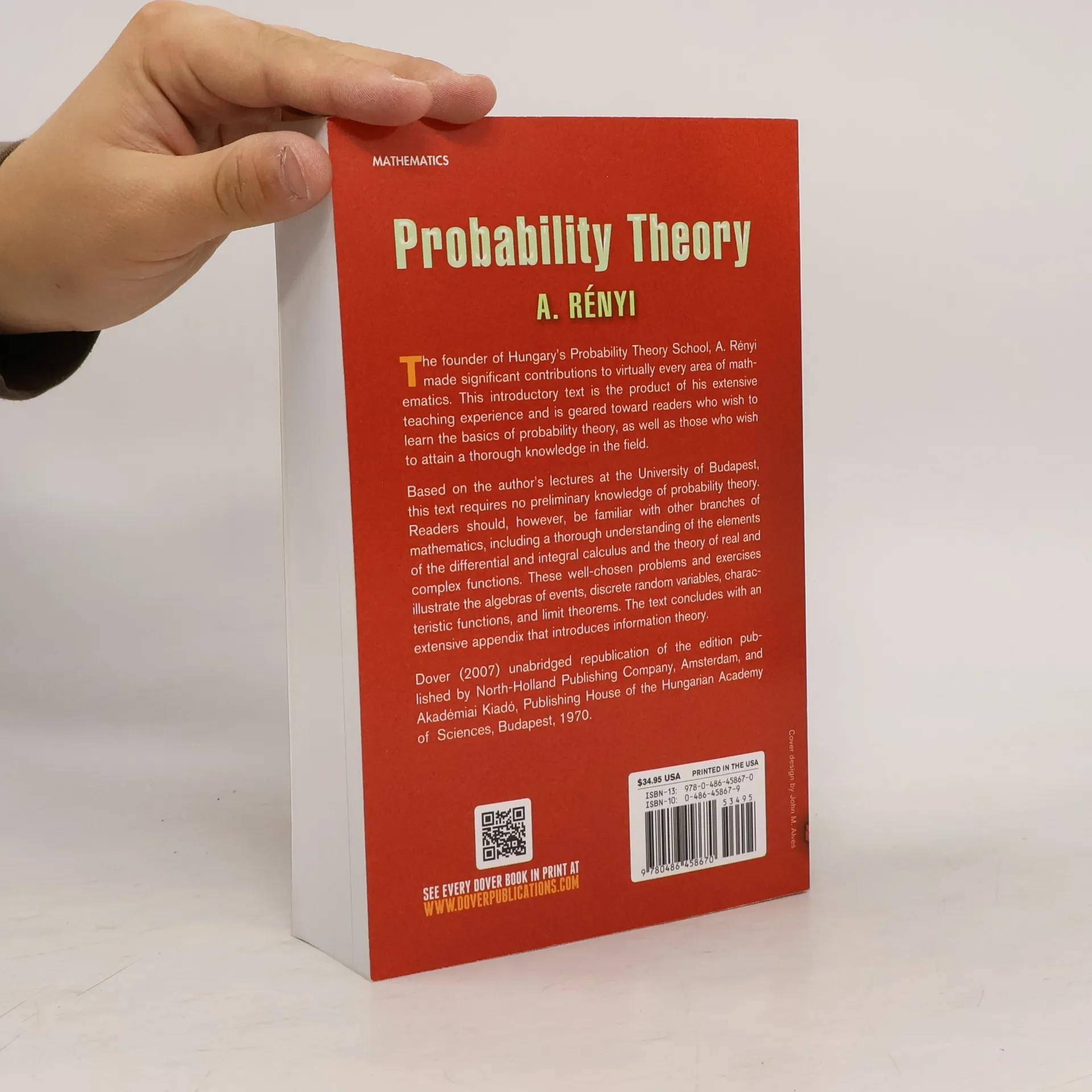
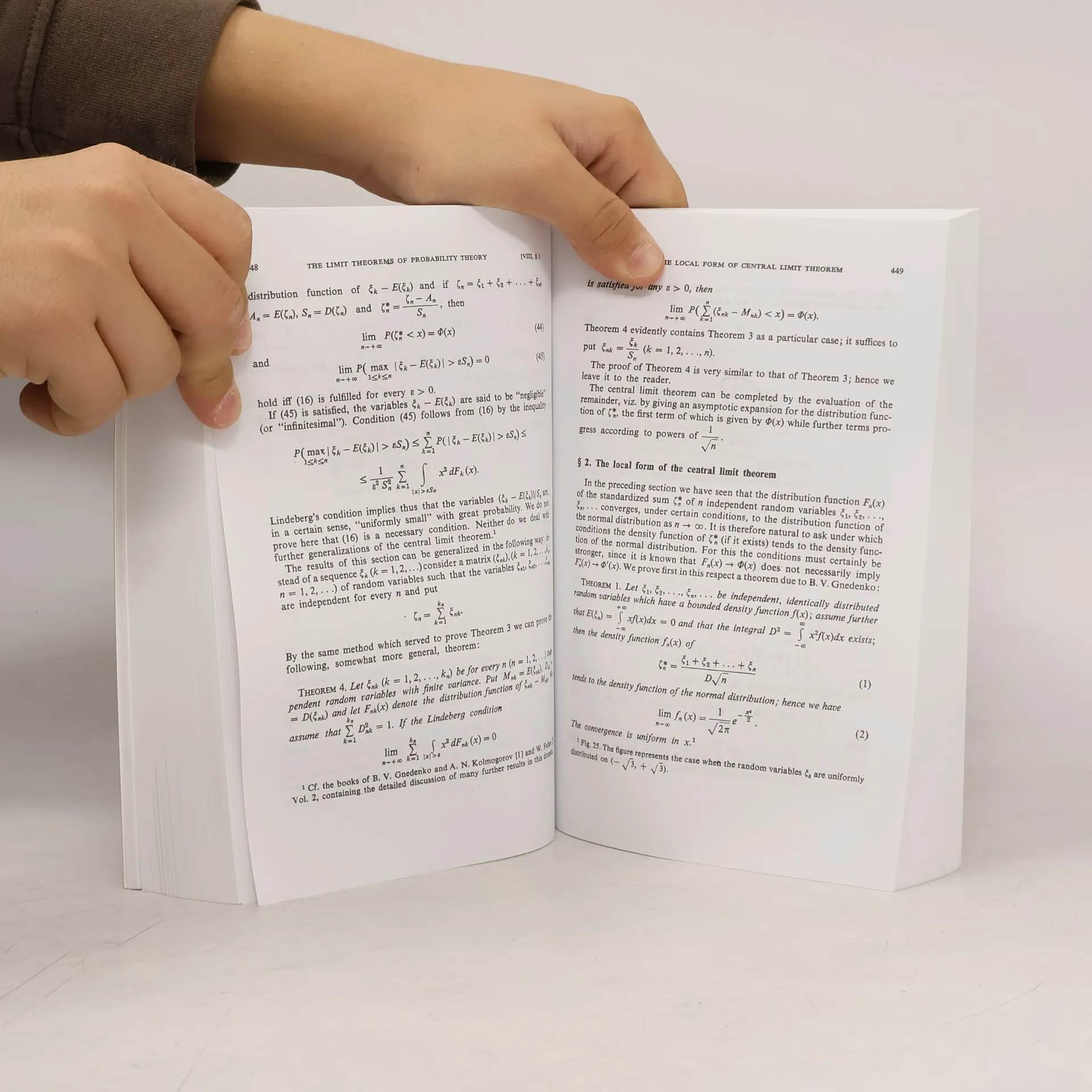
The founder of Hungary's Probability Theory School, A. Rényi made significant contributions to virtually every area of mathematics. This introductory text is the product of his extensive teaching experience and is geared toward readers who wish to learn the basics of probability theory, as well as those who wish to attain a thorough knowledge in the field. Based on the author's lectures at the University of Budapest, this text requires no preliminary knowledge of probability theory. Readers should, however, be familiar with other branches of mathematics, including a thorough understanding of the elements of the differential and integral calculus and the theory of real and complex functions. These well-chosen problems and exercises illustrate the algebras of events, discrete random variables, characteristic functions, and limit theorems. The text concludes with an extensive appendix that introduces information theory.
Zakup książki
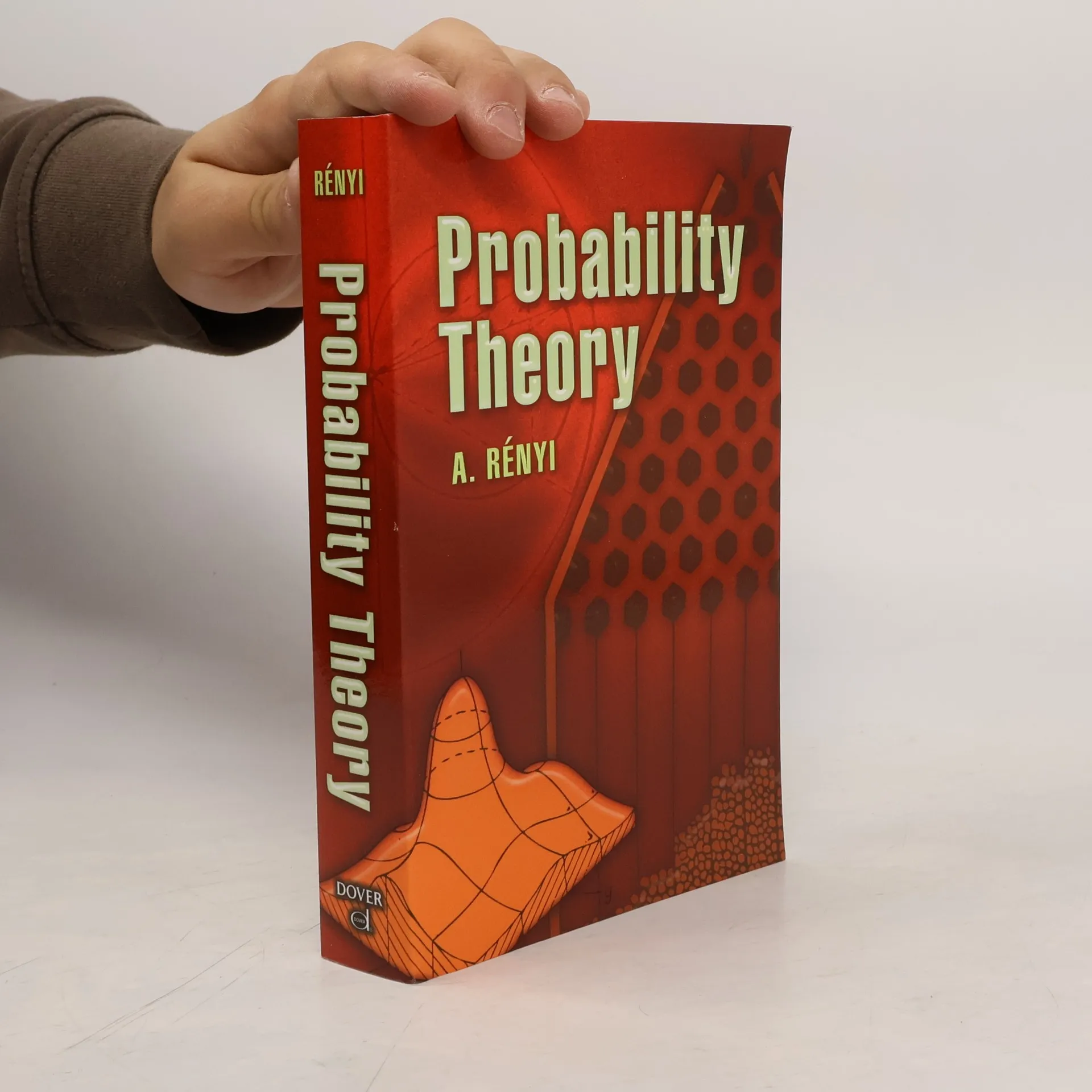
Probability Theory, Alfréd Rényi
- Język

- Rok wydania
- 2007
- Oprawa
- (miękka)
Metody płatności
Brakuje nam tutaj Twojej recenzji.
- Tytuł
- Probability Theory
- Język
- angielski
- Autorzy
- Alfréd Rényi
- Wydawca
- Dover Publications
- Rok wydania
- 2007
- Oprawa
- miękka
- Liczba stron
- 672
- ISBN10
- 0486458679
- ISBN13
- 9780486458670
- Seria
- Tagi
- Ocena
- 4,4 z 5
- Opis
- The founder of Hungary's Probability Theory School, A. Rényi made significant contributions to virtually every area of mathematics. This introductory text is the product of his extensive teaching experience and is geared toward readers who wish to learn the basics of probability theory, as well as those who wish to attain a thorough knowledge in the field. Based on the author's lectures at the University of Budapest, this text requires no preliminary knowledge of probability theory. Readers should, however, be familiar with other branches of mathematics, including a thorough understanding of the elements of the differential and integral calculus and the theory of real and complex functions. These well-chosen problems and exercises illustrate the algebras of events, discrete random variables, characteristic functions, and limit theorems. The text concludes with an extensive appendix that introduces information theory.