


Więcej o książce
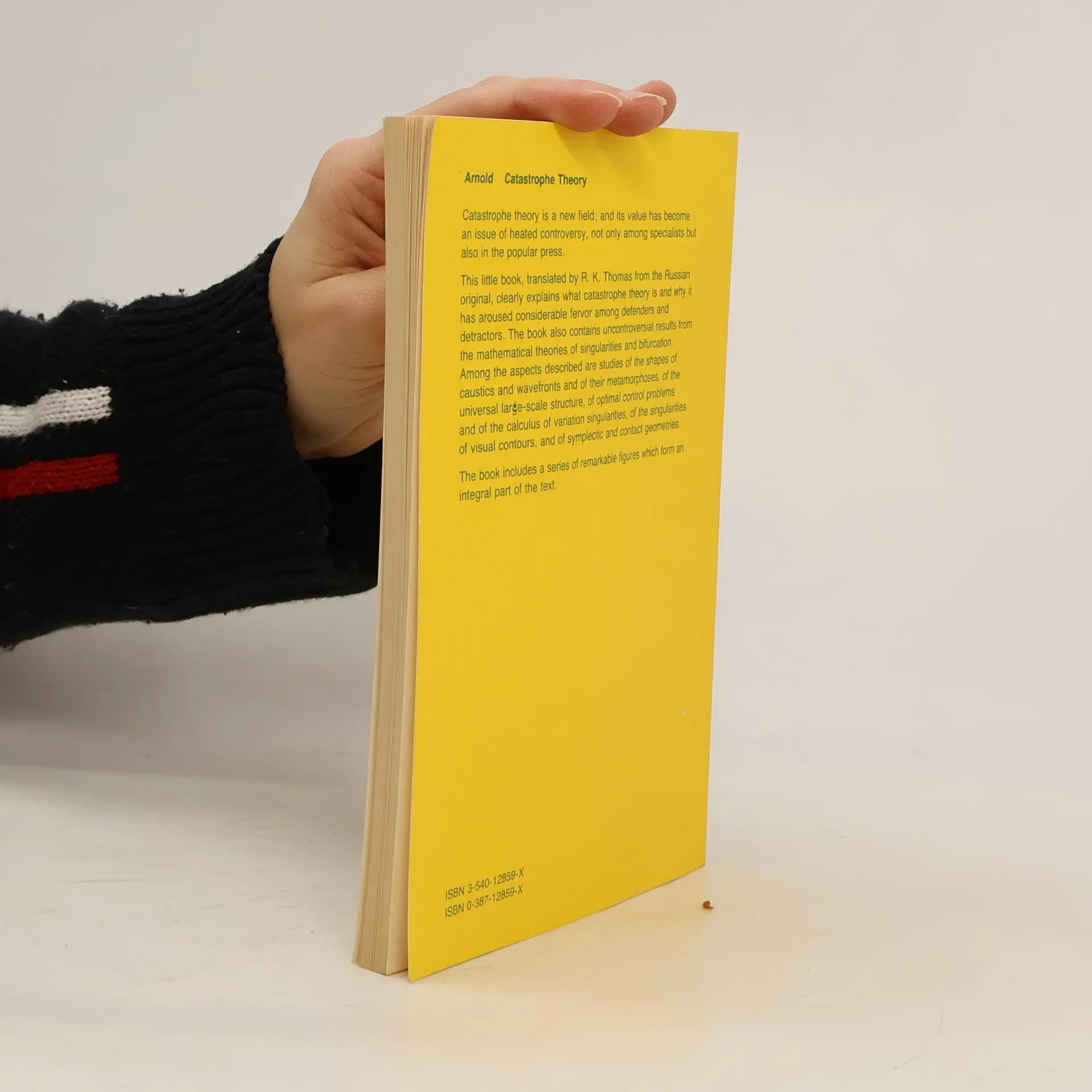
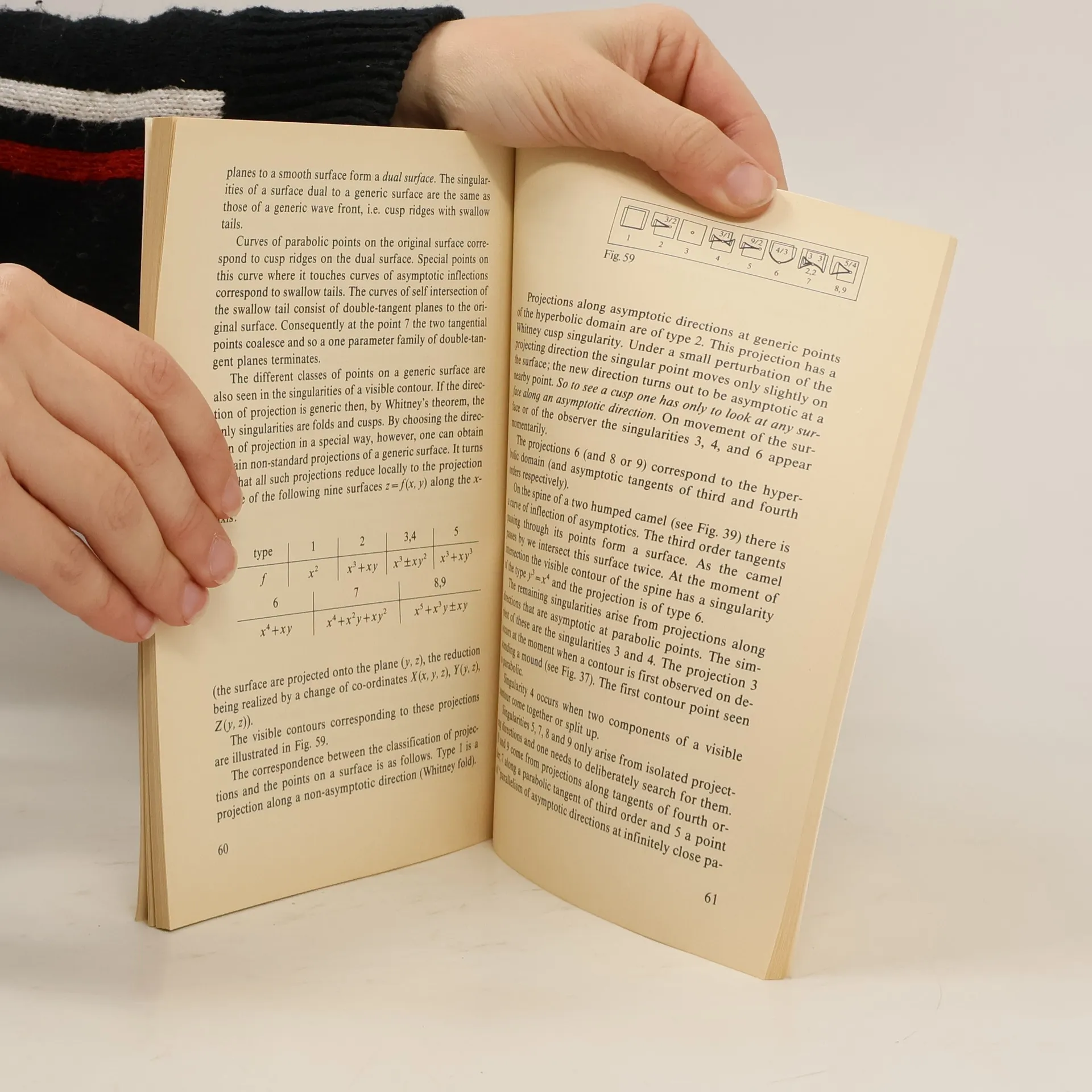
This well-known booklet, now in its third, expanded edition, provides an informal survey of singularity theory applications across various fields. While the initial chapters briefly critique Thom-Zeeman catastrophe theory, the focus shifts to more recent, less controversial topics, including bifurcations, stability loss, wavefront propagation, matter distribution in the universe, optimization, visible contours, obstacle avoidance, symplectic and contact geometry, complex singularities, and unexpected connections to regular polyhedra and reflection groups. Familiar readers will discover much that is new, with updates on results and expanded discussions on delayed stability loss, cascades of period doublings and triplings, shock waves, implicit differential equations, and folded singularities. Three new sections overview the history of singularity theory from Leonardo da Vinci to modern times, discuss perestroika through metamorphosis theory, and present 93 problems related to the subject matter. The text features fifteen new drawings, bringing the total to 87, along with improvements to existing illustrations. The literature list has also been updated and expanded, resulting in an enlargement of nearly a third. Arnol'd aims to convey the essence of results and applications to readers with minimal mathematical background, encouraging an inquiring mind.
Zakup książki
Catastrophe Theory, K. R. Thomas, V. I. Arnolʹd
- Język

- Rok wydania
- 1984
- Oprawa
- (miękka)
Metody płatności
Nikt jeszcze nie ocenił.
- Tytuł
- Catastrophe Theory
- Język
- angielski
- Autorzy
- K. R. Thomas, V. I. Arnolʹd
- Wydawca
- Springer
- Rok wydania
- 1984
- Oprawa
- miękka
- Liczba stron
- 142
- ISBN10
- 354012859X
- ISBN13
- 9783540128595
- Seria
- Kategorie
- Tagi
- Nauka, Katastrofy, Microsoft Access
- Opis
- This well-known booklet, now in its third, expanded edition, provides an informal survey of singularity theory applications across various fields. While the initial chapters briefly critique Thom-Zeeman catastrophe theory, the focus shifts to more recent, less controversial topics, including bifurcations, stability loss, wavefront propagation, matter distribution in the universe, optimization, visible contours, obstacle avoidance, symplectic and contact geometry, complex singularities, and unexpected connections to regular polyhedra and reflection groups. Familiar readers will discover much that is new, with updates on results and expanded discussions on delayed stability loss, cascades of period doublings and triplings, shock waves, implicit differential equations, and folded singularities. Three new sections overview the history of singularity theory from Leonardo da Vinci to modern times, discuss perestroika through metamorphosis theory, and present 93 problems related to the subject matter. The text features fifteen new drawings, bringing the total to 87, along with improvements to existing illustrations. The literature list has also been updated and expanded, resulting in an enlargement of nearly a third. Arnol'd aims to convey the essence of results and applications to readers with minimal mathematical background, encouraging an inquiring mind.