


Więcej o książce
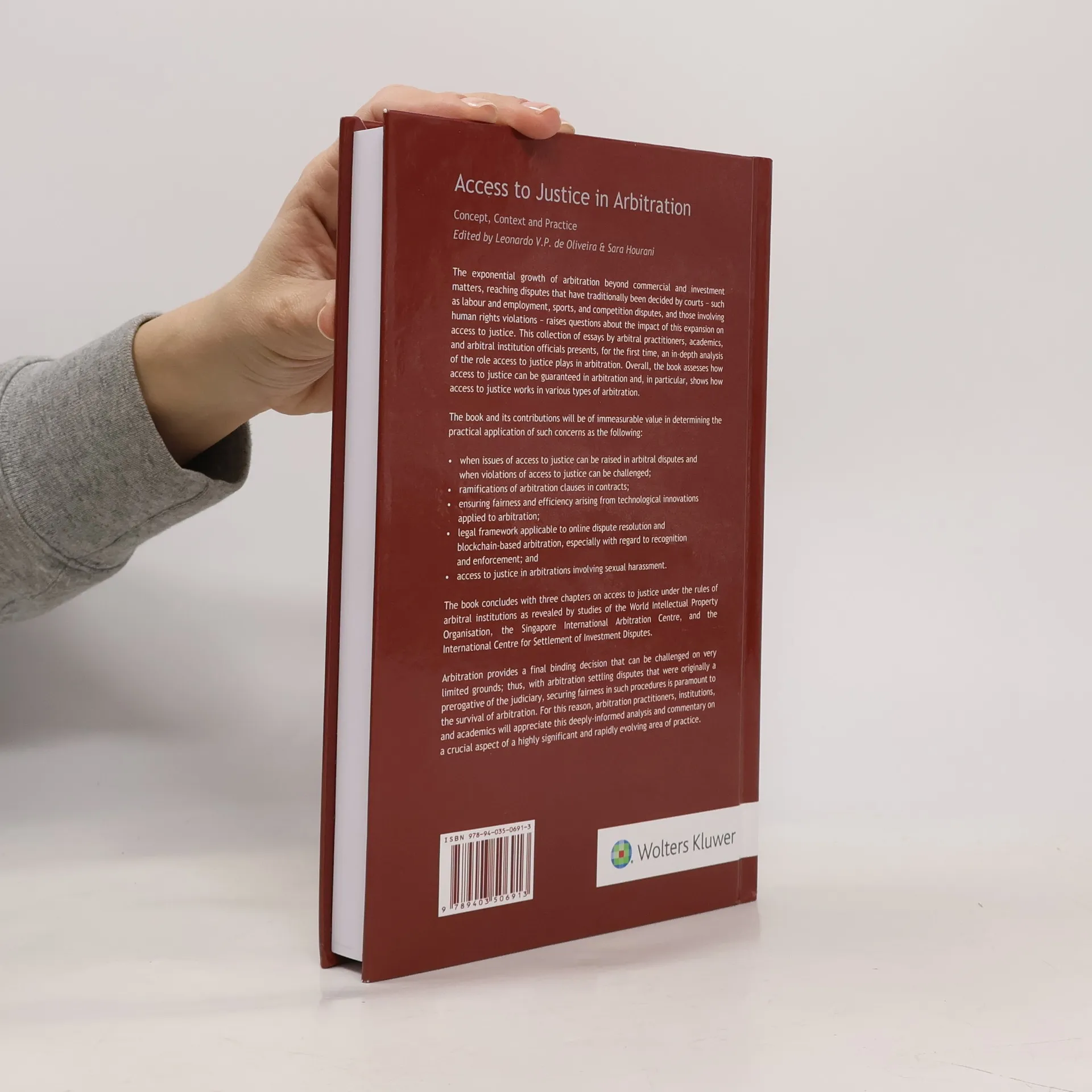
The exponential growth of arbitration into areas traditionally handled by courts, such as labor, sports, competition disputes, and human rights violations, raises critical questions about access to justice. This collection features essays from arbitral practitioners, academics, and officials, offering an in-depth analysis of access to justice in arbitration for the first time. It evaluates how access can be ensured across different arbitration types, addressing practical applications of these concerns. The book includes three chapters focusing on access to justice as governed by the rules of notable arbitral institutions, including the World Intellectual Property Organisation, the Singapore International Arbitration Centre, and the International Centre for Settlement of Investment Disputes. Given that arbitration results in final binding decisions that can only be challenged on limited grounds, ensuring fairness is essential for its legitimacy, especially as it takes on disputes once reserved for the judiciary. This comprehensive analysis will be invaluable for arbitration practitioners, institutions, and academics, highlighting a crucial aspect of a significant and rapidly evolving field.
Zakup książki
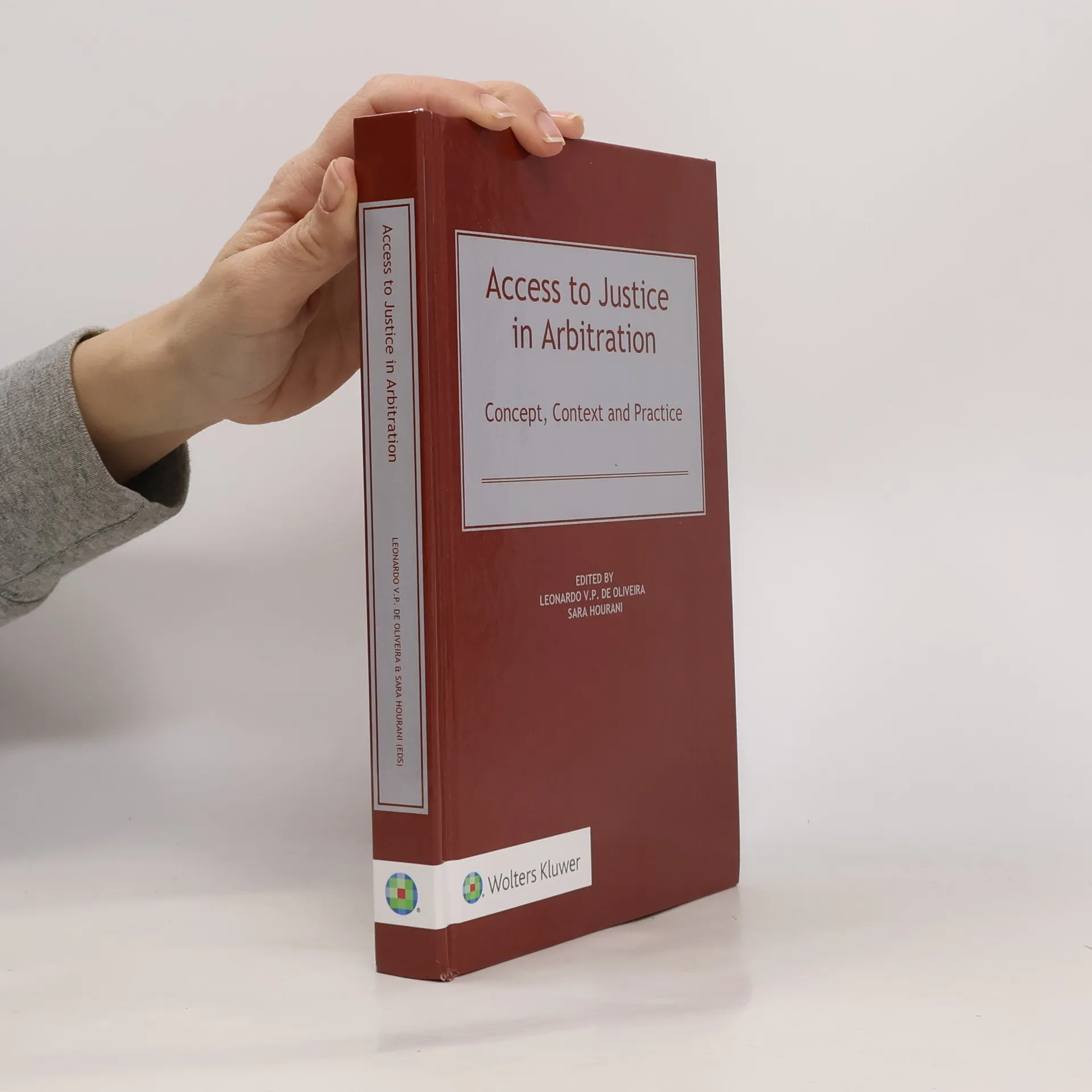
Access to Justice in Arbitration, Leonardo V.P. de Oliveira, Sara Hourani
- Język

- Rok wydania
- 2020
- Oprawa
- (twarda)
Metody płatności
Nikt jeszcze nie ocenił.
- Tytuł
- Access to Justice in Arbitration
- Podtytuł
- Concept, Context and Practice
- Język
- angielski
- Wydawca
- Wolters Kluwer
- Rok wydania
- 2020
- Oprawa
- twarda
- Liczba stron
- 368
- ISBN10
- 9403506911
- ISBN13
- 9789403506913
- Seria
- Opis
- The exponential growth of arbitration into areas traditionally handled by courts, such as labor, sports, competition disputes, and human rights violations, raises critical questions about access to justice. This collection features essays from arbitral practitioners, academics, and officials, offering an in-depth analysis of access to justice in arbitration for the first time. It evaluates how access can be ensured across different arbitration types, addressing practical applications of these concerns. The book includes three chapters focusing on access to justice as governed by the rules of notable arbitral institutions, including the World Intellectual Property Organisation, the Singapore International Arbitration Centre, and the International Centre for Settlement of Investment Disputes. Given that arbitration results in final binding decisions that can only be challenged on limited grounds, ensuring fairness is essential for its legitimacy, especially as it takes on disputes once reserved for the judiciary. This comprehensive analysis will be invaluable for arbitration practitioners, institutions, and academics, highlighting a crucial aspect of a significant and rapidly evolving field.