

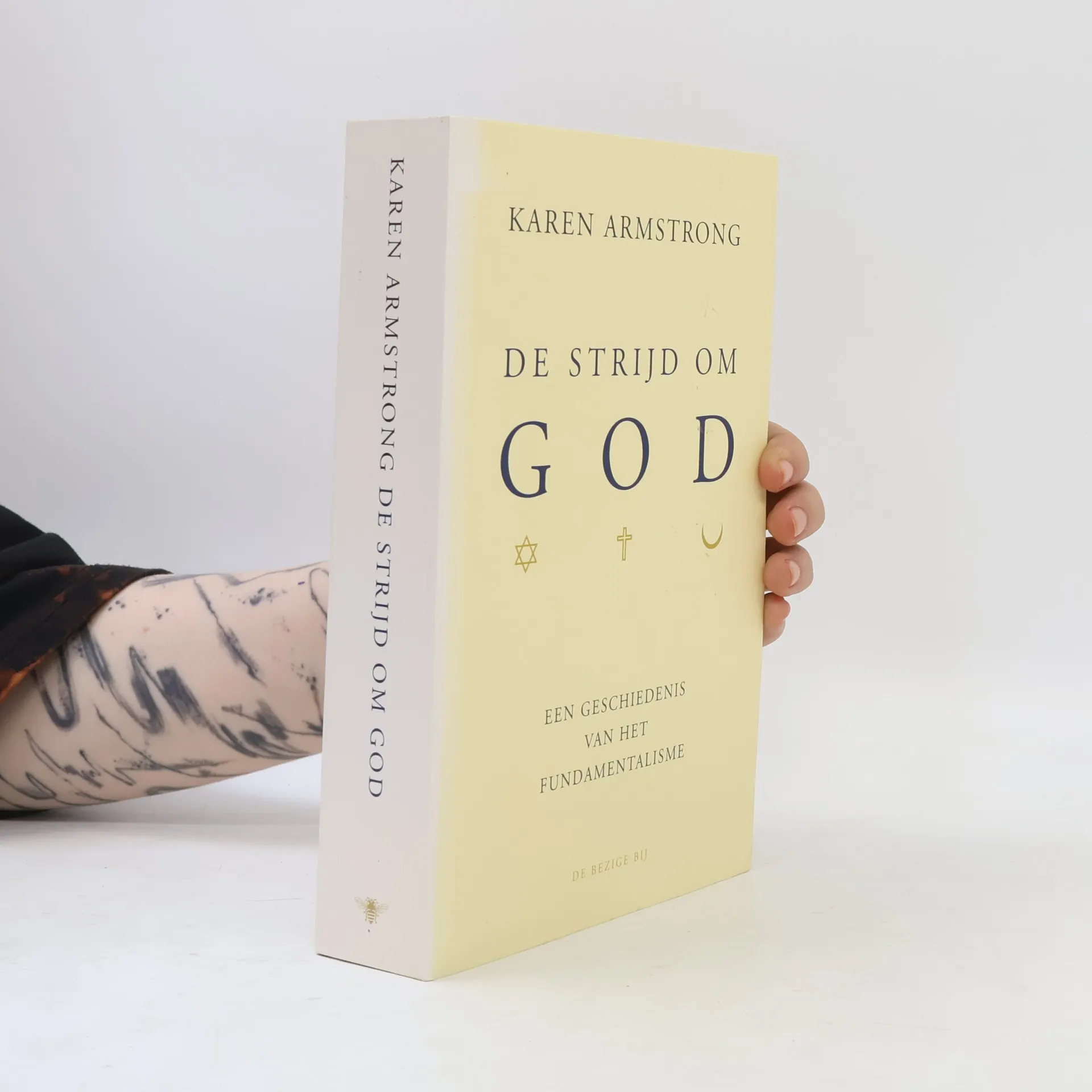


Więcej o książce
About 40 years ago, many believed that religion would diminish as society modernized and morals relaxed. Contrary to this expectation, theologian and author Karen Armstrong reveals that fundamentalism has surged within major religions, including Christianity, Islam, and Judaism, as well as Buddhism, Sikhism, Hinduism, and Confucianism. In response to a technologically driven world that embraces liberal Western values, fundamentalist groups have not only increased in numbers but have also become more desperate. Armstrong cites events like the Oklahoma City bombing, violent anti-abortion campaigns, and the assassination of President Yitzak Rabin as evidence of these dangerous extremes. She highlights the irony that fundamentalism and Western materialism seem to exacerbate each other's excesses. To mitigate escalating conflict, Armstrong emphasizes the need to understand the pain and perspectives of opposing sides. With her clear, engaging writing and thorough research, she presents a powerful discussion on this globally significant issue. Her work serves as a blend of history lesson, wake-up call, and a heartfelt plea for healing, offering both a religious reflection and a cultural vision.





Zakup książki
De strijd om God, Karen Armstrong, Caroline Jacoba Louise Kloos
- Język

- Rok wydania
- 2002
- Oprawa
- (miękka)
Metody płatności
Brakuje nam tutaj Twojej recenzji.
- Tytuł
- De strijd om God
- Podtytuł
- Een geschiedenis van het fundamentalisme
- Język
- holenderski
- Wydawca
- De Bezige Bij
- Rok wydania
- 2002
- Oprawa
- miękka
- Liczba stron
- 493
- ISBN10
- 9023401042
- ISBN13
- 9789023401049
- Seria
- Kategorie
- Tagi
- Tematy historyczne, Tematy religijne, Tematyka filozoficzna, Duchowość, Tematy chrześcijańskie, Teologia
- Ocena
- 3,9 z 5
- Opis
- About 40 years ago, many believed that religion would diminish as society modernized and morals relaxed. Contrary to this expectation, theologian and author Karen Armstrong reveals that fundamentalism has surged within major religions, including Christianity, Islam, and Judaism, as well as Buddhism, Sikhism, Hinduism, and Confucianism. In response to a technologically driven world that embraces liberal Western values, fundamentalist groups have not only increased in numbers but have also become more desperate. Armstrong cites events like the Oklahoma City bombing, violent anti-abortion campaigns, and the assassination of President Yitzak Rabin as evidence of these dangerous extremes. She highlights the irony that fundamentalism and Western materialism seem to exacerbate each other's excesses. To mitigate escalating conflict, Armstrong emphasizes the need to understand the pain and perspectives of opposing sides. With her clear, engaging writing and thorough research, she presents a powerful discussion on this globally significant issue. Her work serves as a blend of history lesson, wake-up call, and a heartfelt plea for healing, offering both a religious reflection and a cultural vision.