

Więcej o książce
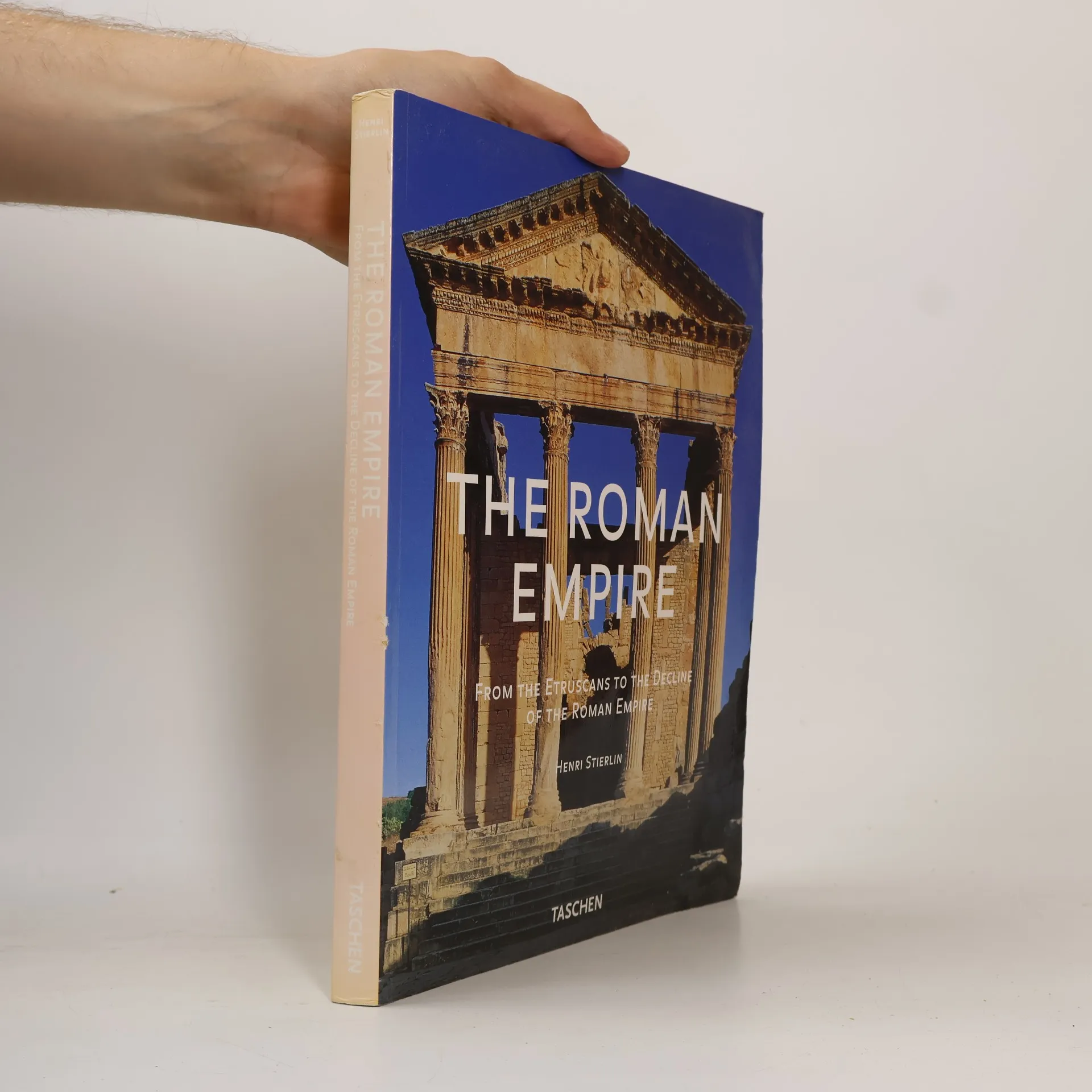
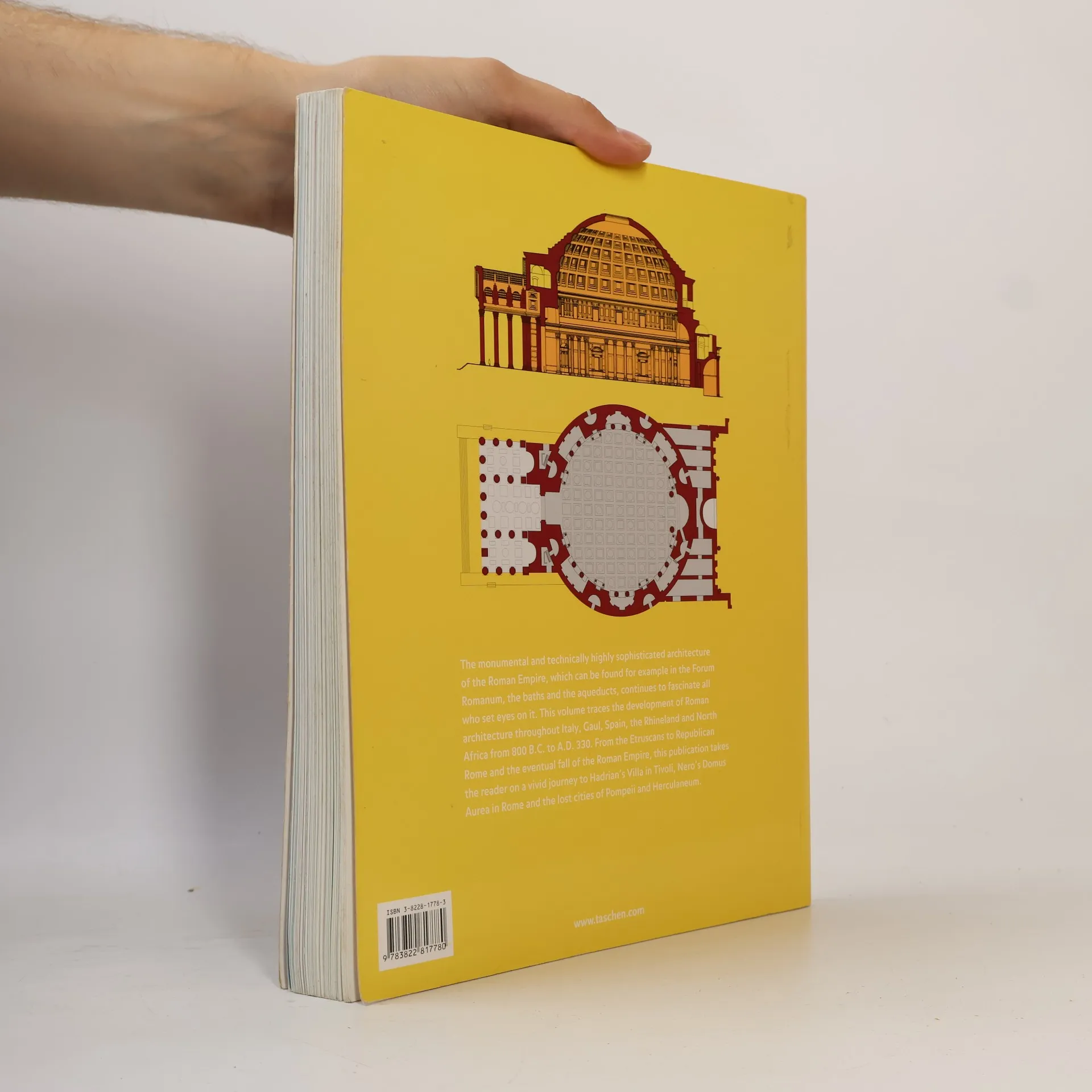
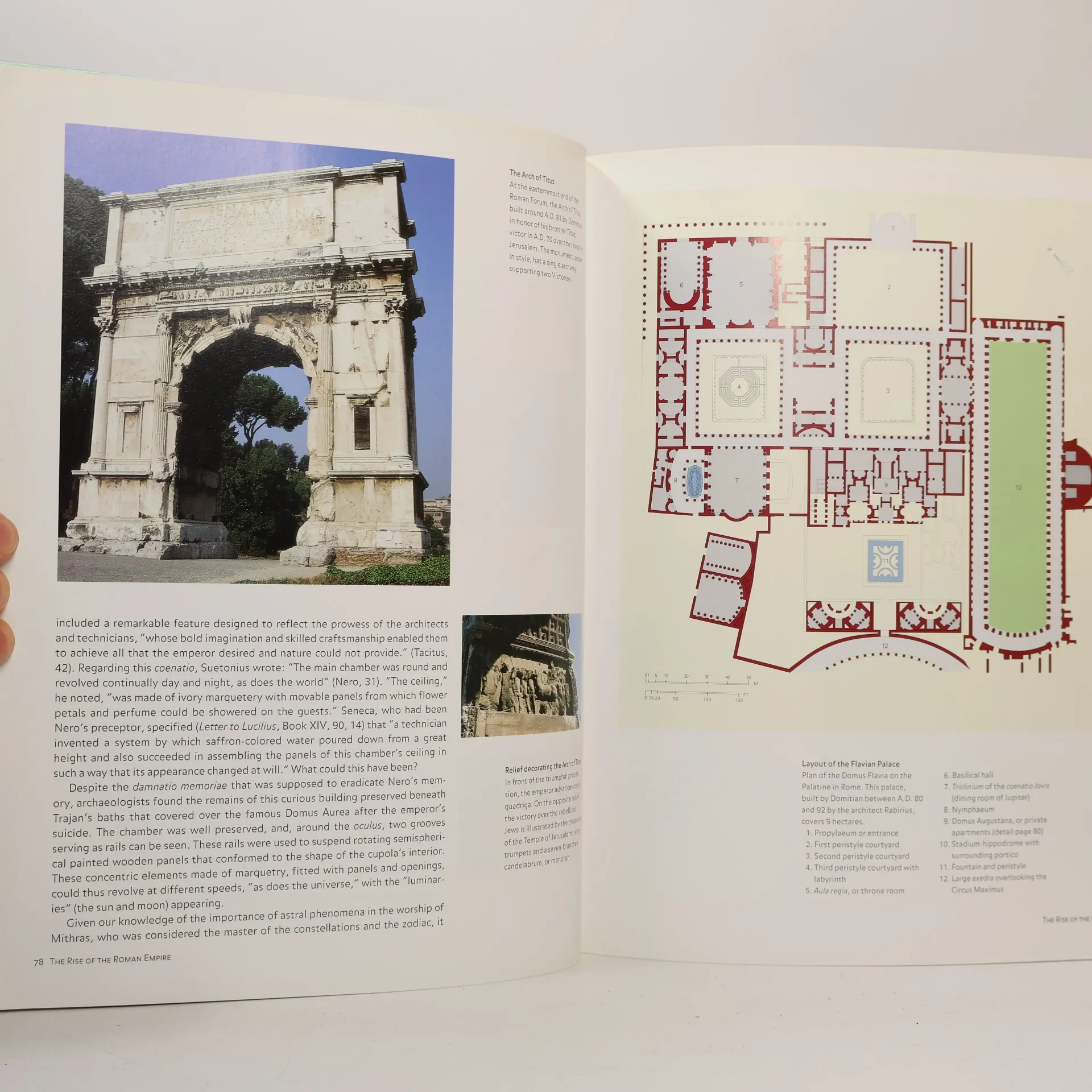
Covers all the major Roman amphitheatres and arenas, temples and baths, aqueducts and fortresses, but also Pompeii and Hardpan's Villa at Tivoli Monumental in scale and technically highly developed, the architecture that produced the forums, baths, and aqueducts of the Roman Empire still dazzles us today. This volume deals with Roman architecture in Italy, France, Spain, the Rhineland and North Africa. Starting with Villanova and Etruscan culture, it includes the major buildings of the late Roman Republic and principally those of the Empire. Pompeii, the Golden House of Nero, Hadrian's Villa at Tivoli, and the Diokletian baths among many more, are considered. This volume describes an architectural history that interprets the entire Roman culture rather than merely describing its buildings, offering a new and exciting contribution to the history of Roman Architecture.
Zakup książki
Taschen's World Architecture: The Roman Empire, Henri Stierlin
- Język

- Rok wydania
- 2002
- Oprawa
- (miękka),
- Stan książki
- Dobry
- Cena
- 60,77 zł
Metody płatności
Nikt jeszcze nie ocenił.
- Tytuł
- Taschen's World Architecture: The Roman Empire
- Podtytuł
- From the Etruscans to the Decline of the Roman Empire
- Język
- angielski
- Autorzy
- Henri Stierlin
- Wydawca
- Taschen
- Rok wydania
- 2002
- Oprawa
- miękka
- Liczba stron
- 240
- ISBN10
- 3822817783
- ISBN13
- 9783822817780
- Seria
- Tagi
- Tematy historyczne, Sztuka, Architektura, Europa, Starożytność, Historia sztuki, Historia Europy, Rzym, Starożytny Rzym
- Opis
- Covers all the major Roman amphitheatres and arenas, temples and baths, aqueducts and fortresses, but also Pompeii and Hardpan's Villa at Tivoli Monumental in scale and technically highly developed, the architecture that produced the forums, baths, and aqueducts of the Roman Empire still dazzles us today. This volume deals with Roman architecture in Italy, France, Spain, the Rhineland and North Africa. Starting with Villanova and Etruscan culture, it includes the major buildings of the late Roman Republic and principally those of the Empire. Pompeii, the Golden House of Nero, Hadrian's Villa at Tivoli, and the Diokletian baths among many more, are considered. This volume describes an architectural history that interprets the entire Roman culture rather than merely describing its buildings, offering a new and exciting contribution to the history of Roman Architecture.