

Bookbot

Byeong Ho Kang

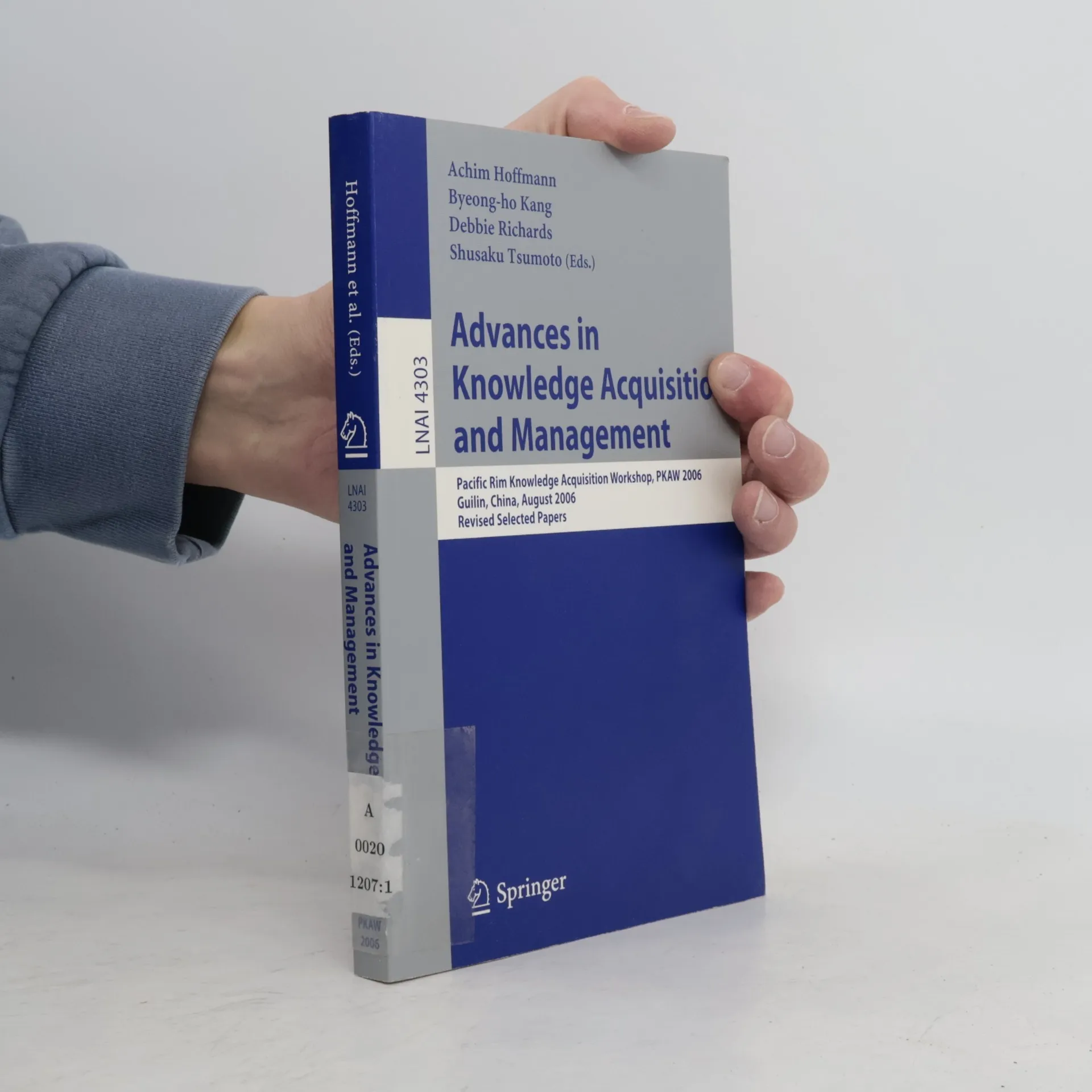
    LNAI - 4303: Advances In Knowledge Acquisition And Management
    Ripple-Down Rules
    Starsza pani z nożem
    • Starsza pani z nożem

      • 240 stron
      • 9 godzin czytania

      Koreański bestseller GuByeong-Mo Elektryzująca, osobliwa i intrygująca powieść o starzeniu i poczuciu sprawczości Rógszpona w wieku sześćdziesięciu pięciu lat zaczyna zwalniać tempo. Żyje skromnie w małym mieszkaniu razem ze starzejącym się psem. Pracuje już od kilkudziesięciu lat i jak większość ludzi w jej wieku zbliża się do zakończenia kariery i spokojnej starości u boku czworonoga. Tyle że Rógszpona nie jest jak inni ludzie. To zabójczyni na zlecenie. Skutecznie pozbywa się zdrajców, wrogów korporacji i niewiernych małżonków. Właśnie teraz, pod koniec jej kariery, podczas jednego ze zleceń dzieje się coś niespodziewanego. Kontuzja doprowadza ją do nieoczekiwanej relacji z lekarzem i jego rodziną. Pojawia się to, co dla płatnej zabójczyni jest bardzo niebezpieczne. Emocje. Gdy świat Rógszpony wywraca się do góry nogami, ten ostatni rozdział w jej karierze może oznaczać również jej własny, krwawy koniec.

      Starsza pani z nożem
      3,5
    • Ripple-Down Rules

      The Alternative to Machine Learning

      • 196 stron
      • 7 godzin czytania

      Focusing on the limitations of data in machine learning, this book introduces Ripple-Down Rules (RDR), a manual technique designed for the efficient construction of AI systems. By incorporating human input, RDR effectively addresses data inadequacies, enhancing the reliability and performance of AI applications. The approach emphasizes the importance of human oversight in developing robust, data-driven solutions.

      Ripple-Down Rules
    • Since the recognition of knowledge as essential for intelligent systems in the 1970s and early 1980s, the efficient acquisition of knowledge has been a key research focus. Initially, expert systems concentrated on creating a suitable knowledge base by eliciting information from experts before deployment. Over time, alternative methods emerged, including incremental approaches that allowed for the initial construction of a provisional knowledge base, which could be refined through practical use. Additionally, some approaches aimed for fully automatic knowledge base construction using machine-learning techniques. Recently, there has been growing interest in ontology construction, particularly in creating reusable ontologies that can be shared across various users and domains. The Pacific Knowledge Acquisition Workshops (PKAW) have established a tradition of providing a platform for researchers to share innovative ideas on this topic, attracting participants globally, especially from the Pacific Rim region. PKAW is part of a series of international workshops on knowledge acquisition held in the Pacific Rim, Canada, and Europe over the past two decades. The previous workshop, PKAW 2004, focused on incremental knowledge acquisition, machine learning, neural networks, and data mining.

      LNAI - 4303: Advances In Knowledge Acquisition And Management