The Book of Why: The New Science of Cause and Effect
- 422 strony
- 15 godzin czytania



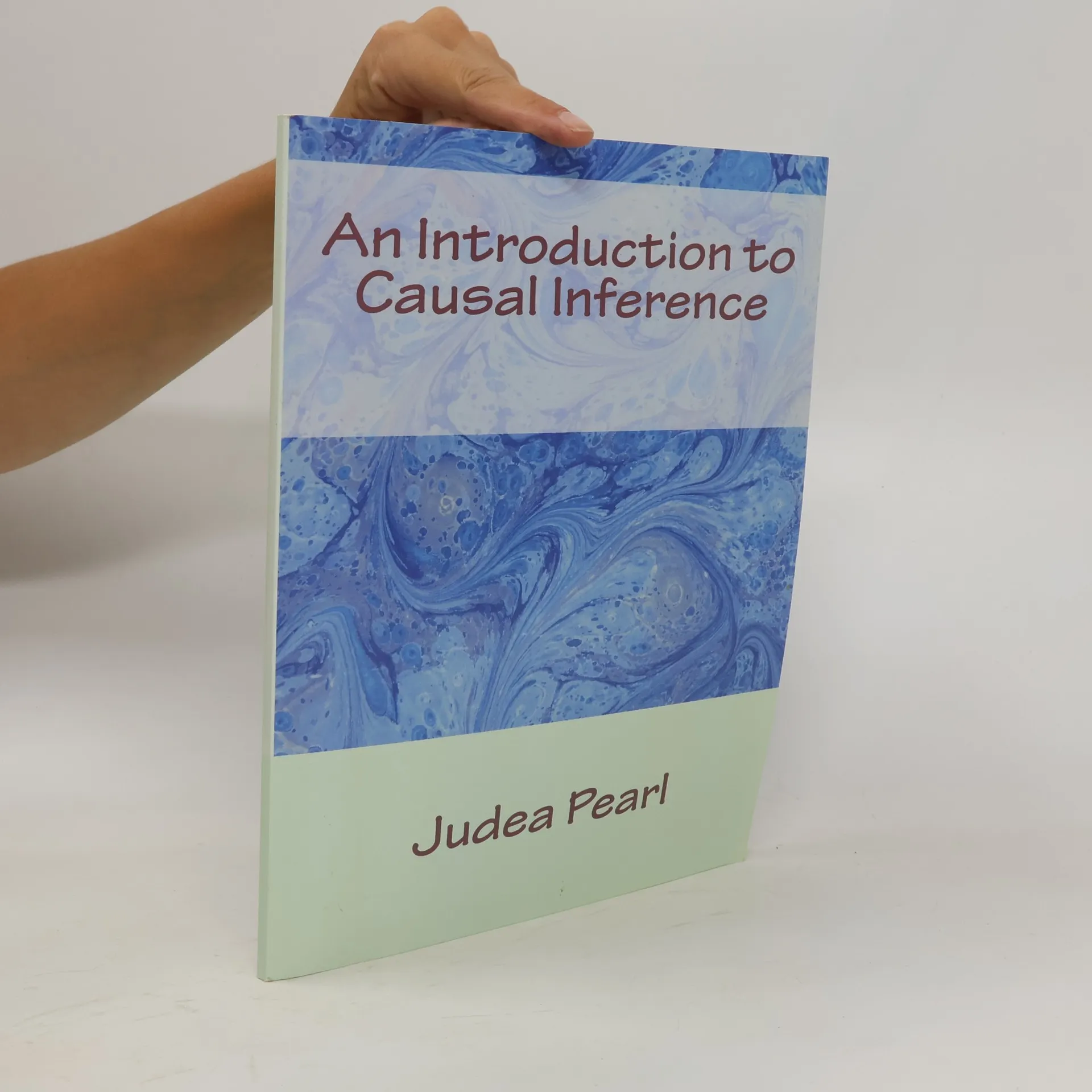
Wszyscy wiemy, że pianie koguta o świcie, nie wywołuje wschodu słońca. Jednocześnie nie mamy wątpliwości, że użycie włącznika spowoduje zapalenie lub zgaszenie światła. Skąd zatem pewność, że jedno zdarzenie spowodowało drugie? Przyczynowość jest jedną z najszerzej dyskutowanych i najtrudniejszych do wykazania kategorii w nauce i medycynie. Rewolucja Przyczynowa, zainicjowana przez Judeę Pearla i innych badaczy, położyła kres wiekowi niejasności pojęciowych i oparła przyczynowość na solidnej podstawie naukowej. Dzieło Pearla i Mackenziego zawiera historię samej idei, a także dostarcza narzędzi niezbędnych do oceny, czego może - lub nie - dokonać Big Data. Autorzy tłumaczą, na czym polega drabina przyczynowości i opierając się na wielu przykładach z życia, ukazują istotę ludzkiej myśli oraz klucz do sztucznej inteligencji. Każdy, kto pragnie zrozumieć jedno lub drugie, powinien przeczytać książkę Przyczyny i skutki.
Many of the concepts and terminology surrounding modern causal inference can be quite intimidating to the novice. Judea Pearl presents a book ideal for beginners in statistics, providing a comprehensive introduction to the field of causality.
This paper summarizes recent advances in causal inference and highlights the necessary shifts from traditional statistical analysis to causal analysis of multivariate data. It emphasizes the foundational assumptions of causal inferences, the language used to express these assumptions, and the conditional nature of causal and counterfactual claims, along with the methods developed to assess them. The discussion is grounded in a general theory of causation based on the Structural Causal Model (SCM), which integrates various approaches to causation and offers a coherent mathematical framework for analyzing causes and counterfactuals. The paper explores mathematical tools for addressing three types of causal queries: (1) the effects of potential interventions (causal effects or policy evaluation), (2) probabilities of counterfactuals (including "regret," "attribution," and "causes of effects"), and (3) direct and indirect effects (mediation). Additionally, it defines the formal and conceptual relationships between structural and potential-outcome frameworks, presenting tools for a combined analysis that leverages the strengths of both. These tools are illustrated through analyses of mediation, causes of effects, and probabilities of causation.
Models, Reasoning and Inference. Ausgezeichnet: ACM Turing Award for Transforming Artificial Intelligence 2011
The book delves into the evolution of causation from a vague concept to a robust mathematical theory, highlighting its applications across various disciplines such as statistics, AI, and economics. Judea Pearl integrates different approaches to causation, providing accessible mathematical tools for exploring causal relationships and statistical associations. This revised edition addresses complex issues and recent advancements, making it valuable for students and professionals alike. Pearl's significant contributions to AI research are also recognized, enhancing the book's credibility in the field.