

Więcej o książce
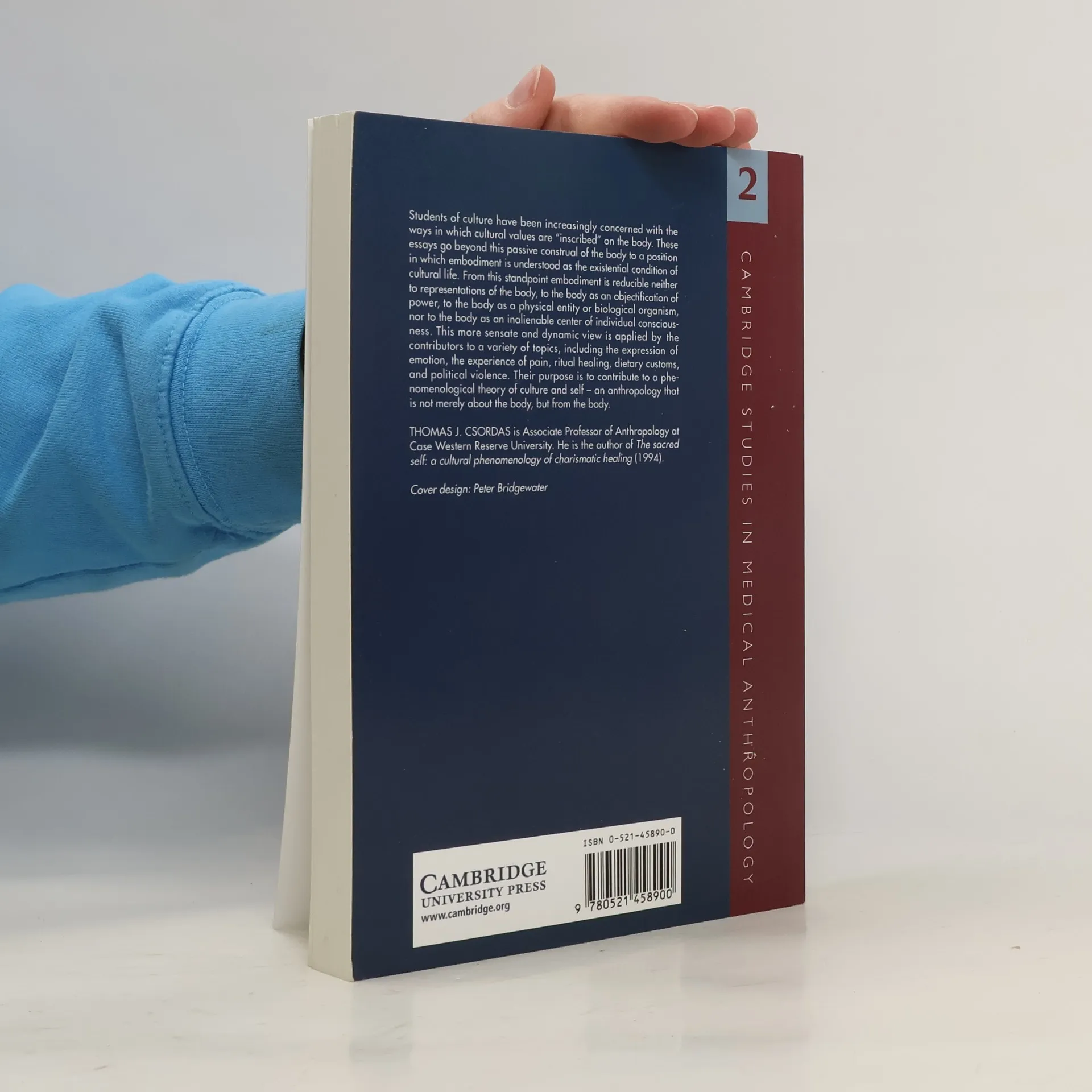
Students of culture have been increasingly concerned with the ways in which cultural values are 'inscribed' on the body. These essays go beyond this passive construal of the body to a position in which embodiment is understood as the existential condition of cultural life. From this standpoint embodiment is reducible neither to representations of the body, to the body as an objectification of power, to the body as a physical entity or biological organism, nor to the body as an inalienable centre of individual consciousness. This more sensate and dynamic view is applied by the contributors to a variety of topics, including the expression of emotion, the experience of pain, ritual healing, dietary customs, and political violence. Their purpose is to contribute to a phenomenological theory of culture and self - an anthropology that is not merely about the body, but from the body.
Zakup książki
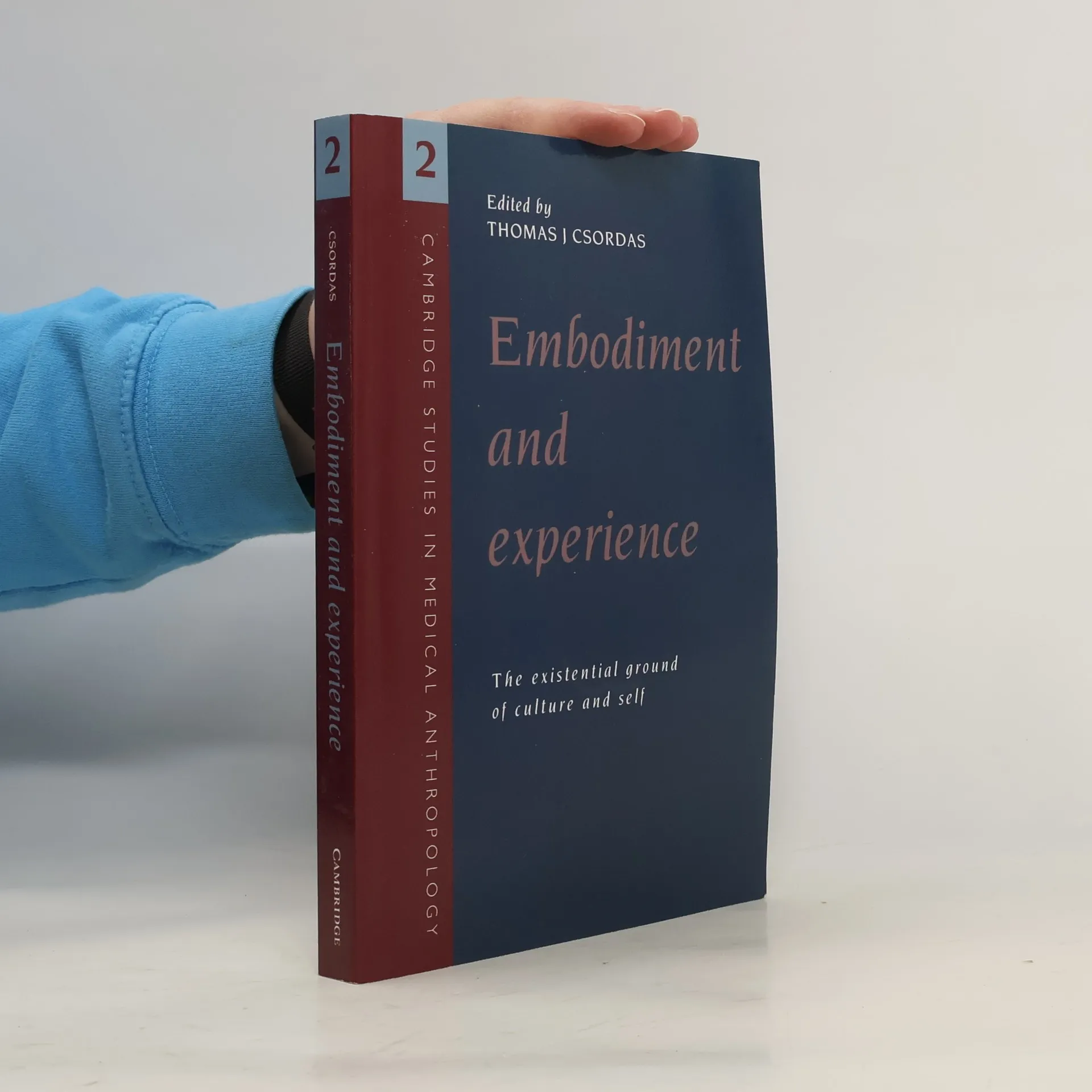
Embodiment and Experience, Thomas J. Csordas
- Język

- Rok wydania
- 1996
- Oprawa
- (miękka)
Metody płatności
Brakuje nam tutaj Twojej recenzji.
- Tytuł
- Embodiment and Experience
- Język
- angielski
- Autorzy
- Thomas J. Csordas
- Wydawca
- Cambridge University Press
- Rok wydania
- 1996
- Oprawa
- miękka
- Liczba stron
- 306
- ISBN10
- 0521458900
- ISBN13
- 9780521458900
- Seria
- Tagi
- Ocena
- 3,7 z 5
- Opis
- Students of culture have been increasingly concerned with the ways in which cultural values are 'inscribed' on the body. These essays go beyond this passive construal of the body to a position in which embodiment is understood as the existential condition of cultural life. From this standpoint embodiment is reducible neither to representations of the body, to the body as an objectification of power, to the body as a physical entity or biological organism, nor to the body as an inalienable centre of individual consciousness. This more sensate and dynamic view is applied by the contributors to a variety of topics, including the expression of emotion, the experience of pain, ritual healing, dietary customs, and political violence. Their purpose is to contribute to a phenomenological theory of culture and self - an anthropology that is not merely about the body, but from the body.