



Ocena książki
Więcej o książce
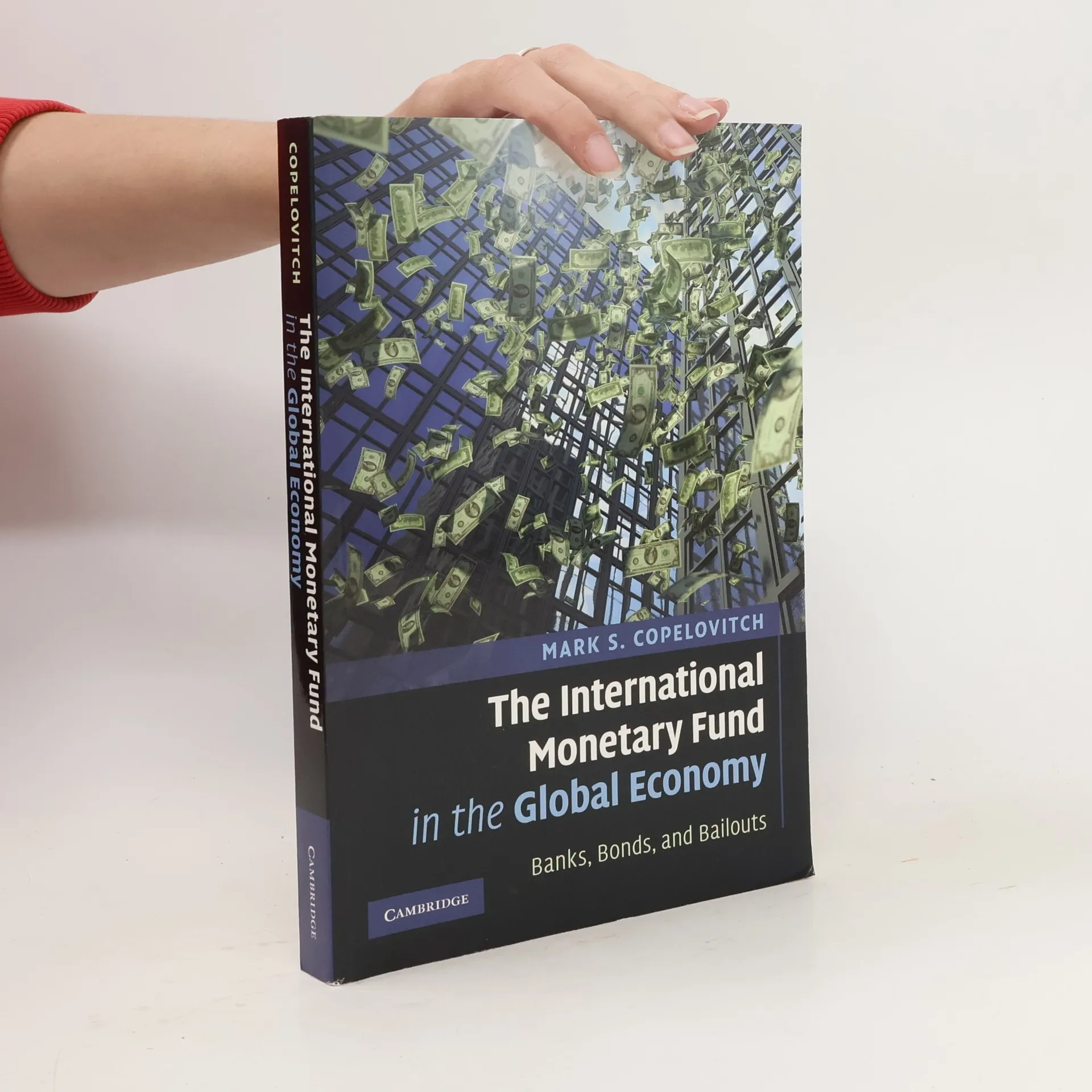
The explosive growth and increasing complexity of global financial markets are defining characteristics of the contemporary world economy. Unfortunately, financial globalization has been accompanied by a marked increase in the frequency and severity of financial crises. The International Monetary Fund (IMF) has taken a central role in managing these crises through its loans to developing countries. Despite extensive analysis and criticism of the IMF in recent years, key questions remain unanswered. Why does the Fund treat some countries more generously than others? To what extent is IMF lending driven by political factors rather than economic concerns? In whose interests does the IMF act? In this book, Mark Copelovitch offers novel answers to these questions. Combining statistical analysis with detailed case studies, he demonstrates how the politics and policies of the IMF have evolved over the last three decades in response to fundamental changes in the composition of international capital flows.
Zakup książki
The International Monetary Fund in the global economy: banks, bonds, and bailouts, Mark S. Copelovitch
- Język

- Rok wydania
- 2010
- Oprawa
- (miękka)
Metody płatności
Brakuje nam tutaj Twojej recenzji.
- Tytuł
- The International Monetary Fund in the global economy: banks, bonds, and bailouts
- Język
- angielski
- Autorzy
- Mark S. Copelovitch
- Wydawca
- Cambridge University Press
- Rok wydania
- 2010
- Oprawa
- miękka
- Liczba stron
- 394
- ISBN10
- 0521143586
- ISBN13
- 9780521143585
- Seria
- Tagi
- Biznes
- Ocena
- 3,5 z 5
- Opis
- The explosive growth and increasing complexity of global financial markets are defining characteristics of the contemporary world economy. Unfortunately, financial globalization has been accompanied by a marked increase in the frequency and severity of financial crises. The International Monetary Fund (IMF) has taken a central role in managing these crises through its loans to developing countries. Despite extensive analysis and criticism of the IMF in recent years, key questions remain unanswered. Why does the Fund treat some countries more generously than others? To what extent is IMF lending driven by political factors rather than economic concerns? In whose interests does the IMF act? In this book, Mark Copelovitch offers novel answers to these questions. Combining statistical analysis with detailed case studies, he demonstrates how the politics and policies of the IMF have evolved over the last three decades in response to fundamental changes in the composition of international capital flows.