

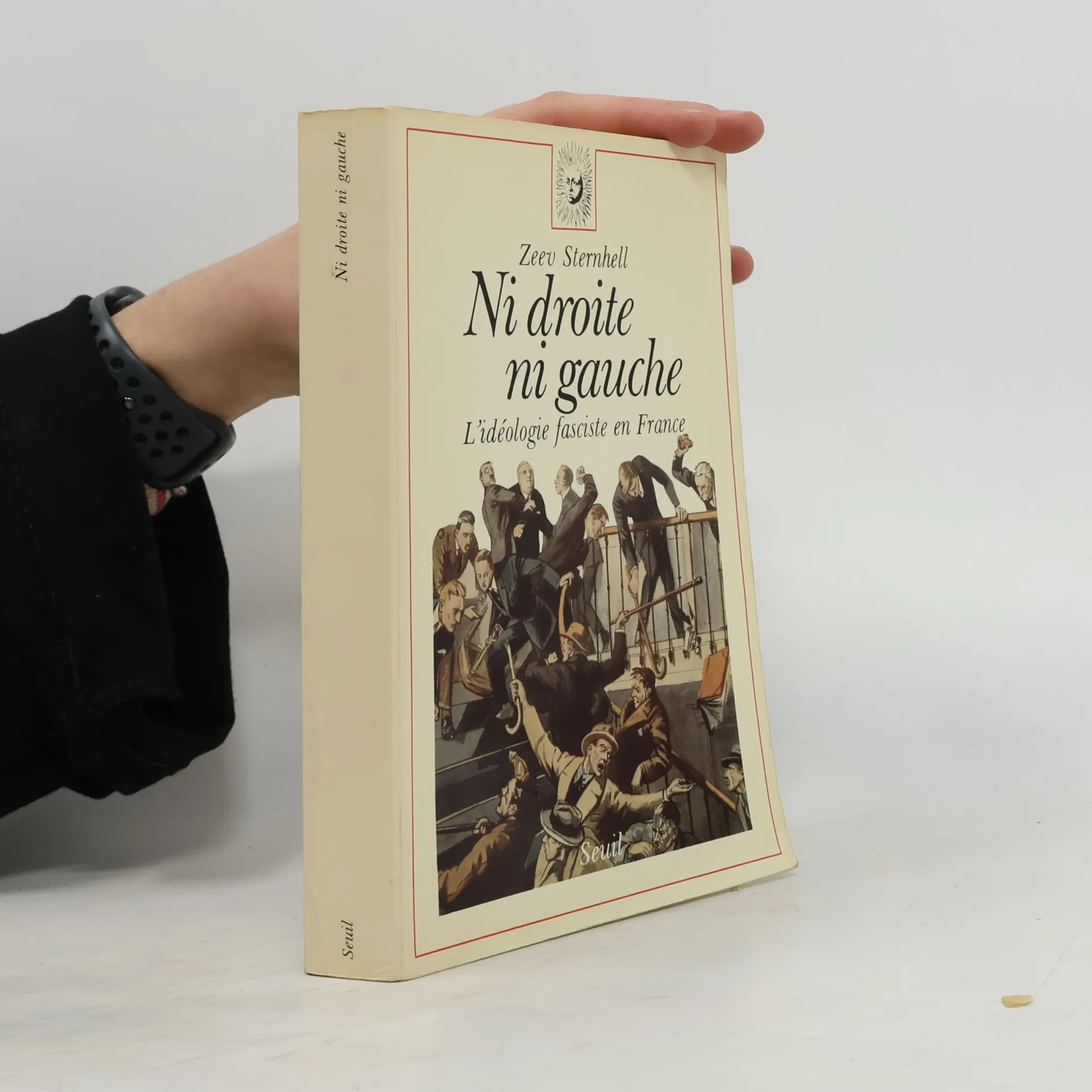
Ni droite, ni gauche
L'idéologie fasciste en France
Autorzy
Więcej o książce
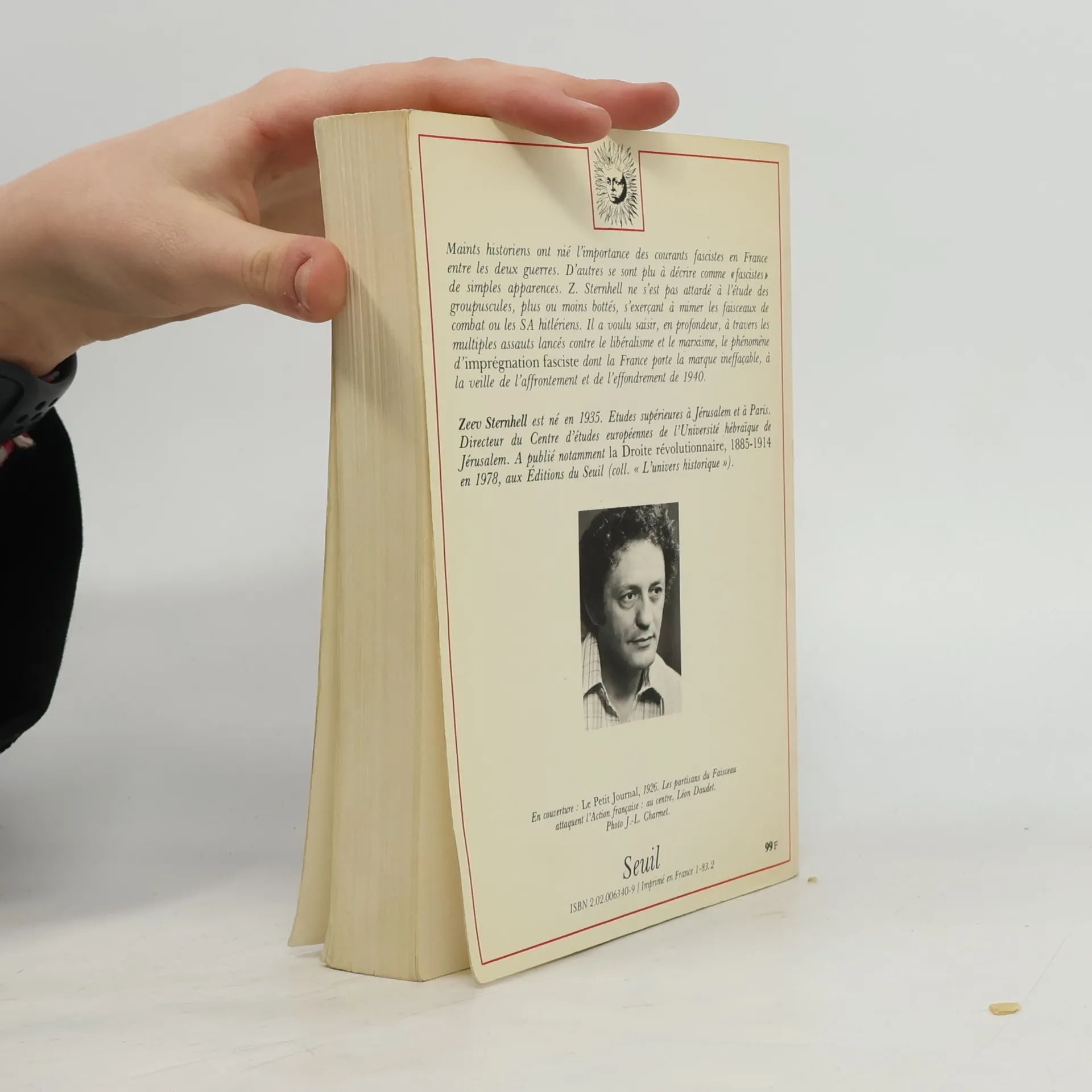
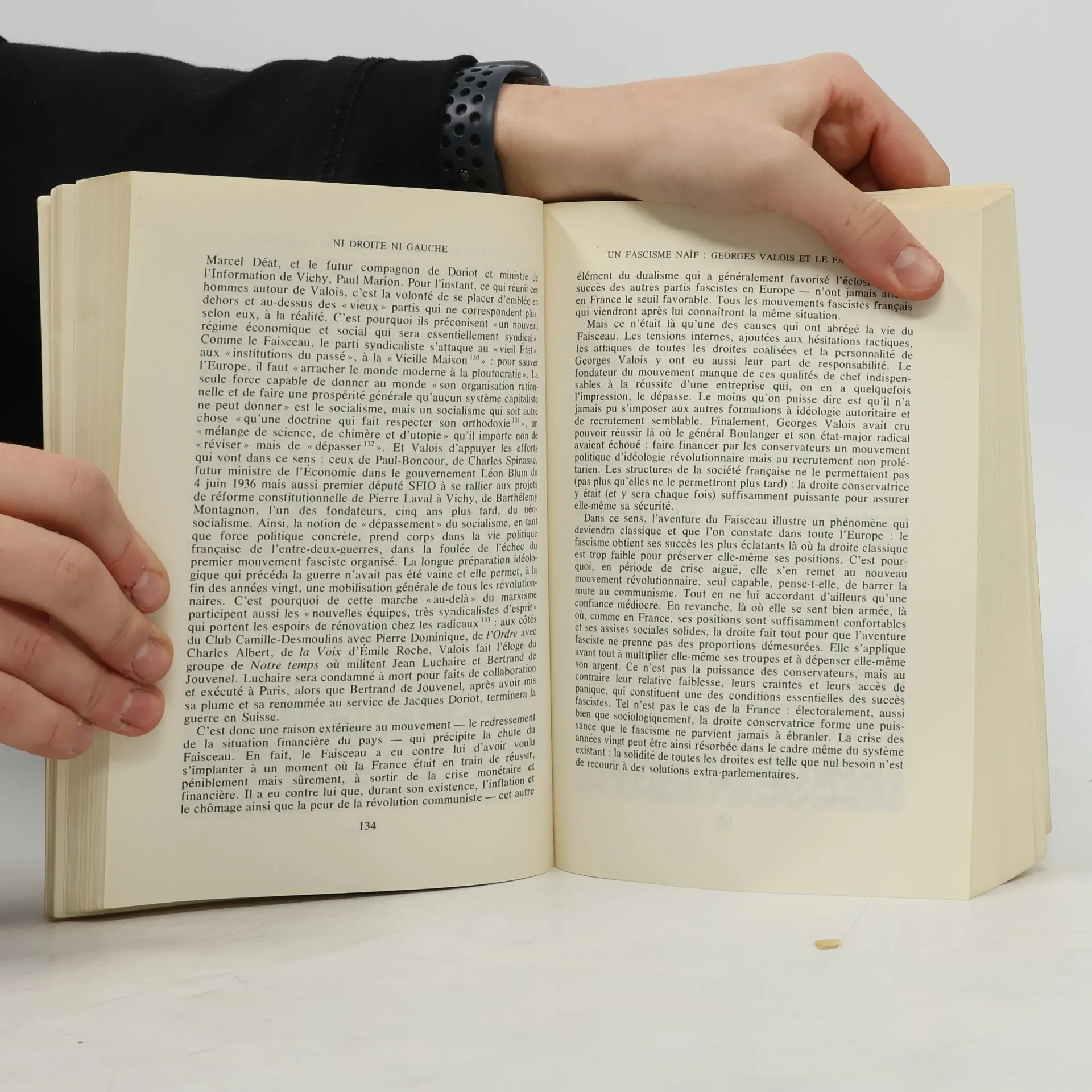
"Few books on European history in recent memory have caused such controversy and commotion, " wrote Robert Wohl in 1991 in a major review of Neither Right nor Left. Listed by Le Monde as one of the forty most important books published in France during the 1980s, this explosive work asserts that fascism was an important part of the mainstream of European history, not just a temporary development in Germany and Italy but a significant aspect of French culture as well. Neither right nor left, fascism united antibourgeois, antiliberal nationalism, and revolutionary syndicalist thought, each of which joined in reflecting the political culture inherited from eighteenth-century France. From the first, Sternhell's argument generated strong feelings among people who wished to forget the Vichy years, and his themes drew enormous public attention in 1994, as Paul Touvier was condemned for crimes against humanity and a new biography probed President Mitterand's Vichy connections. The author's new preface speaks to the debates of 1994 and reinforces the necessity of acknowledging the past, as President Chirac has recently done on France's behalf."Few books on European history in recent memory have caused such controversy and commotion, " wrote Robert Wohl in 1991 in a major review of Neither Right nor Left. Listed by Le Monde as one of the forty most important books published in France during the 1980s, this explosive work asserts that fascism was an important part of the mainstream of European history, not just a temporary development in Germany and Italy but a significant aspect of French culture as well. Neither right nor left, fascism united antibourgeois, antiliberal nationalism, andrevolutionary syndicalist thought, each of which joined in reflecting the political culture inherited from eighteenth-century France. From the first, Sternhell's argument generated strong feelings among people who wished to forget the Vichy years, and his themes drew enormous public attention in 1994, as Paul Touvier was condemned for crimes against humanity and a new biography probed President Mitterand's Vichy connections. The author's new preface speaks to the debates of 1994 and reinforces the necessity of acknowledging the past, as President Chirac has recently done on France's behalf.
Zakup książki
Ni droite, ni gauche, Zeev Sternhell
- Język

- Rok wydania
- 1983
- Oprawa
- (miękka),
- Stan książki
- Dobry
- Cena
- 39,49 zł
Metody płatności
Nikt jeszcze nie ocenił.
- Tytuł
- Ni droite, ni gauche
- Podtytuł
- L'idéologie fasciste en France
- Język
- francuski
- Autorzy
- Zeev Sternhell
- Wydawca
- Éditions du Seuil
- Rok wydania
- 1983
- Oprawa
- miękka
- Liczba stron
- 407
- ISBN10
- 2020063409
- ISBN13
- 9782020063401
- Seria
- Kategorie
- Opis
- "Few books on European history in recent memory have caused such controversy and commotion, " wrote Robert Wohl in 1991 in a major review of Neither Right nor Left. Listed by Le Monde as one of the forty most important books published in France during the 1980s, this explosive work asserts that fascism was an important part of the mainstream of European history, not just a temporary development in Germany and Italy but a significant aspect of French culture as well. Neither right nor left, fascism united antibourgeois, antiliberal nationalism, and revolutionary syndicalist thought, each of which joined in reflecting the political culture inherited from eighteenth-century France. From the first, Sternhell's argument generated strong feelings among people who wished to forget the Vichy years, and his themes drew enormous public attention in 1994, as Paul Touvier was condemned for crimes against humanity and a new biography probed President Mitterand's Vichy connections. The author's new preface speaks to the debates of 1994 and reinforces the necessity of acknowledging the past, as President Chirac has recently done on France's behalf."Few books on European history in recent memory have caused such controversy and commotion, " wrote Robert Wohl in 1991 in a major review of Neither Right nor Left. Listed by Le Monde as one of the forty most important books published in France during the 1980s, this explosive work asserts that fascism was an important part of the mainstream of European history, not just a temporary development in Germany and Italy but a significant aspect of French culture as well. Neither right nor left, fascism united antibourgeois, antiliberal nationalism, andrevolutionary syndicalist thought, each of which joined in reflecting the political culture inherited from eighteenth-century France. From the first, Sternhell's argument generated strong feelings among people who wished to forget the Vichy years, and his themes drew enormous public attention in 1994, as Paul Touvier was condemned for crimes against humanity and a new biography probed President Mitterand's Vichy connections. The author's new preface speaks to the debates of 1994 and reinforces the necessity of acknowledging the past, as President Chirac has recently done on France's behalf.