

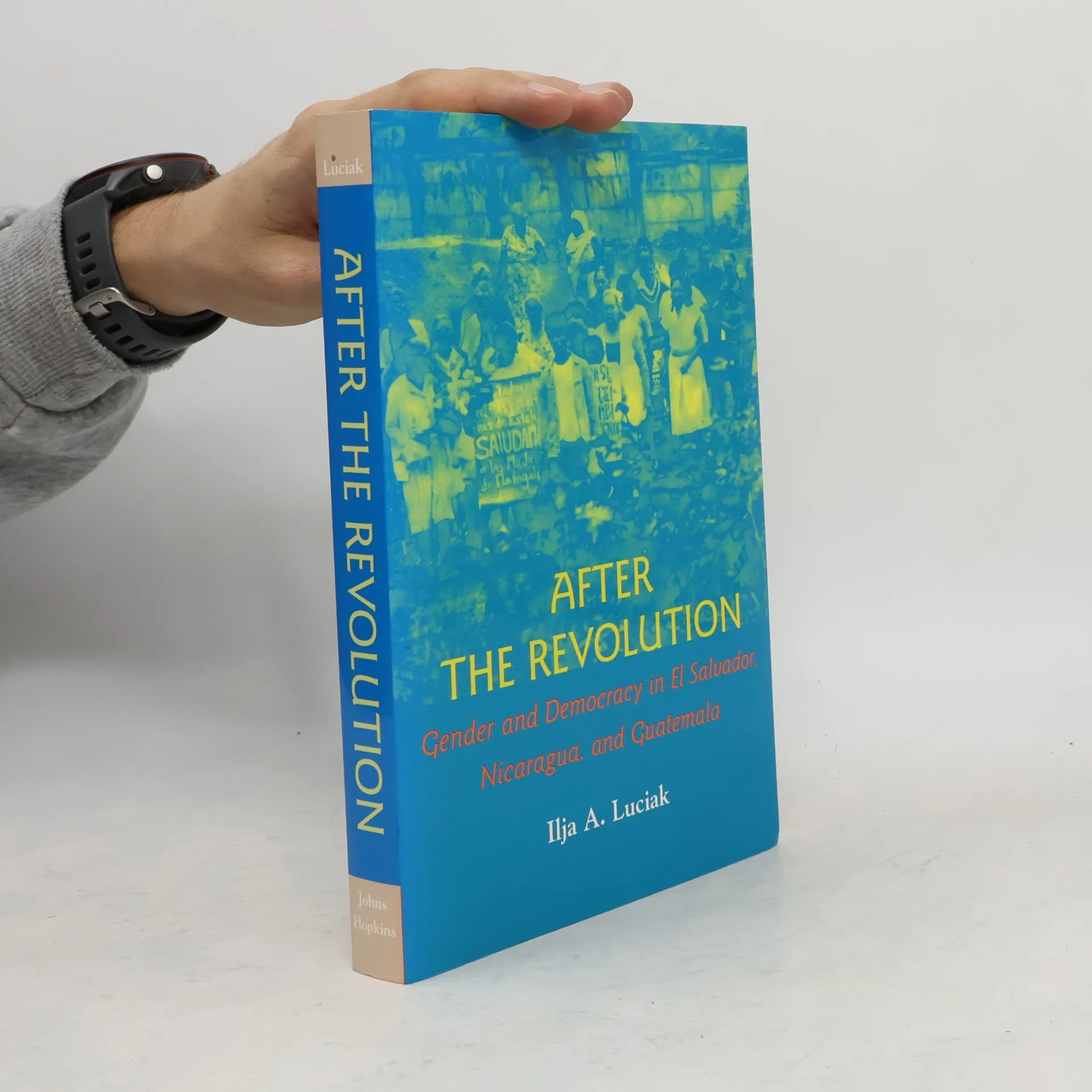
After the Revolution
Gender and Democracy in El Salvador, Nicaragua, and Guatemala
Autorzy
Więcej o książce
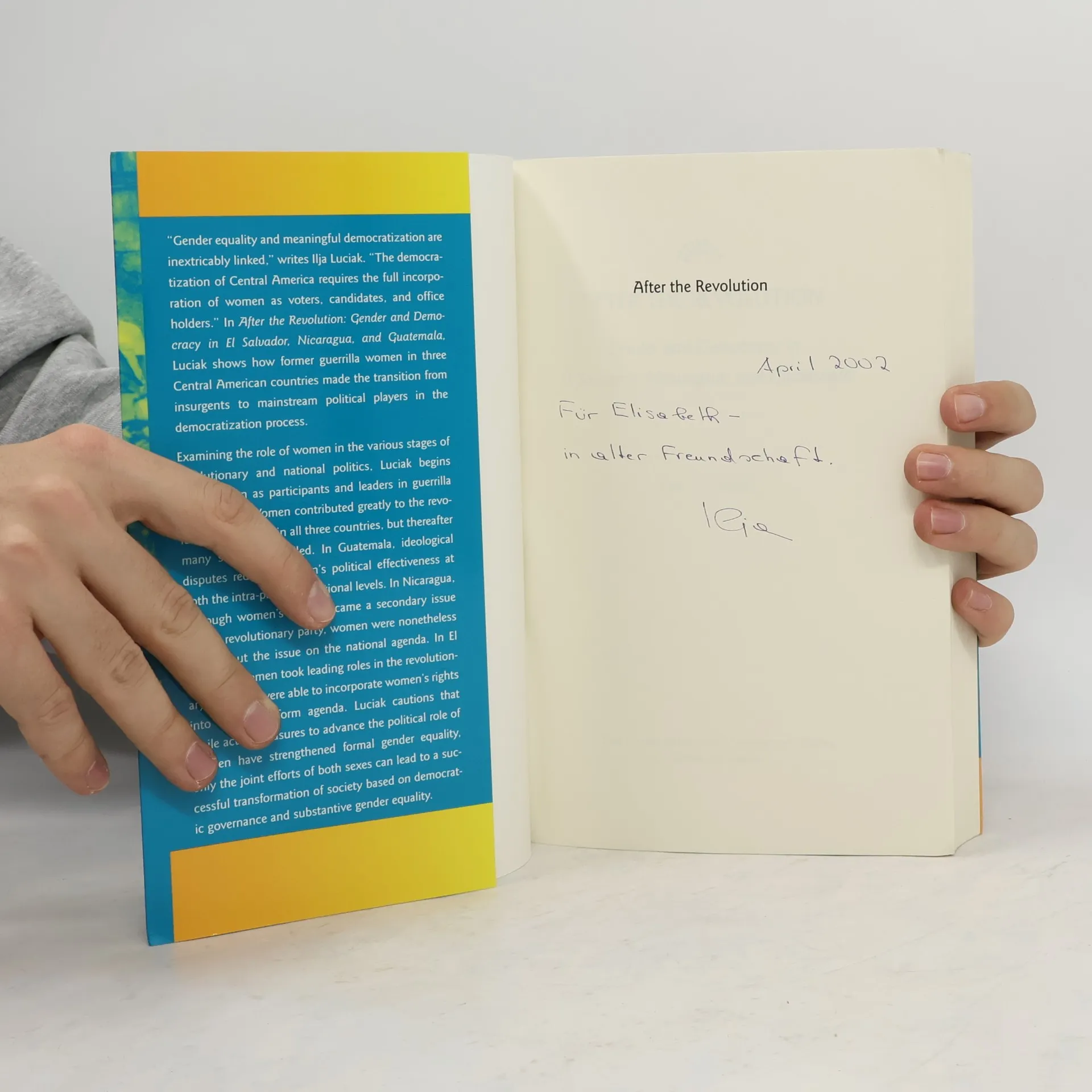
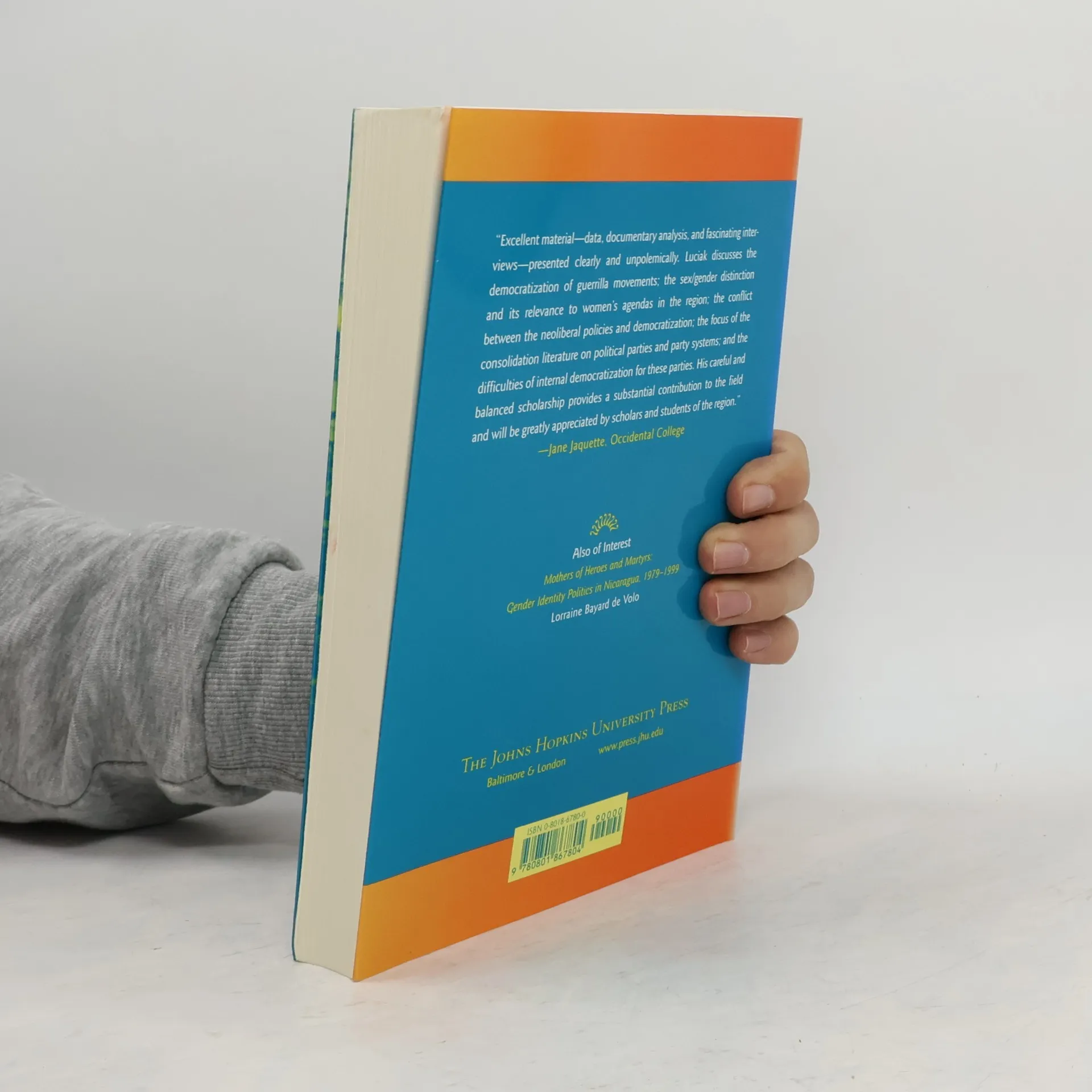
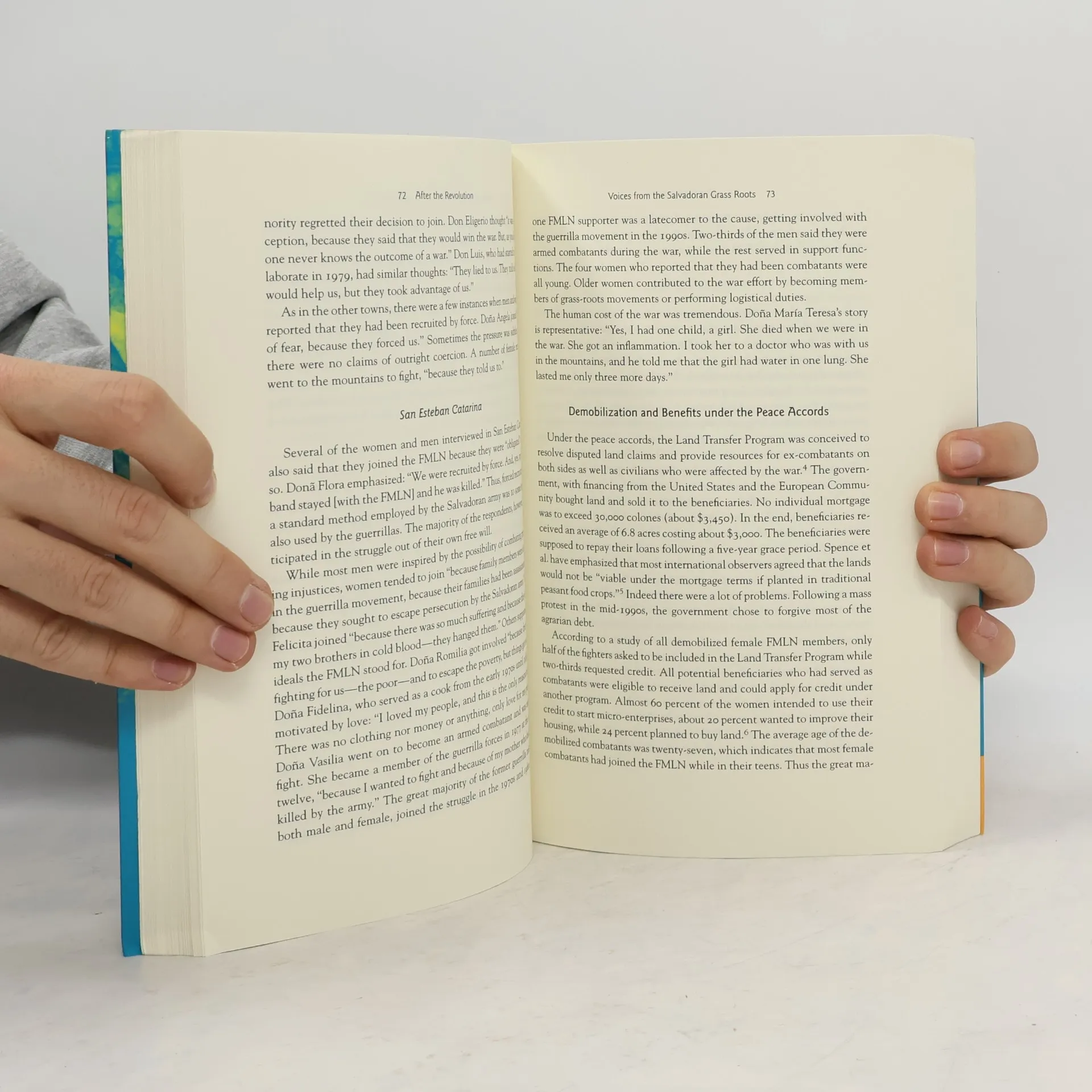
How women active in guerilla movements become active in politics after the war. Complements Bayard de Volo's Mothers, Heroes, Identity Politics in Nicaragua, 1979–1999. "Gender equality and meaningful democratization are inextricably linked," writes Ilja Luciak. "The democratization of Central America requires the full incorporation of women as voters, candidates, and office holders." In After the Gender and Democracy in El Salvador, Nicaragua, and Guatemala, Luciak shows how former guerrilla women in three Central American countries made the transition from insurgents to mainstream political players in the democratization process. Examining the role of women in the various stages of revolutionary and national politics, Luciak begins with women as participants and leaders in guerrilla movements. Women contributed greatly to the revolutionary struggle in all three countries, but thereafter many similarities ended. In Guatemala, ideological disputes reduced women's political effectiveness at both the intra-party and national levels. In Nicaragua, although women's rights became a secondary issue for the revolutionary party, women were nonetheless able to put the issue on the national agenda. In El Salvador, women took leading roles in the revolutionary party and were able to incorporate women's rights into a broad reform agenda. Luciak cautions that while active measures to advance the political role of women have strengthened formal gender equality, only the joint efforts of both sexes can lead to a successful transformation of society based on democratic governance and substantive gender equality.
Zakup książki
After the Revolution, Ilja A. Luciak
- Język

- Rok wydania
- 2001
- Oprawa
- (miękka),
- Stan książki
- Dobry
- Cena
- 55,87 zł
Metody płatności
Nikt jeszcze nie ocenił.
- Tytuł
- After the Revolution
- Podtytuł
- Gender and Democracy in El Salvador, Nicaragua, and Guatemala
- Język
- angielski
- Autorzy
- Ilja A. Luciak
- Rok wydania
- 2001
- Oprawa
- miękka
- Liczba stron
- 336
- ISBN10
- 0801867800
- ISBN13
- 9780801867804
- Seria
- Kategorie
- Tagi
- Kobiety, Polityka, Feminizm, Teorie polityczne, Gender, Demokracja, Ameryka Łacińska, Case Studies, Ameryka Środkowa, Kobiety w polityce, Gwatemala, Nikaragua
- Opis
- How women active in guerilla movements become active in politics after the war. Complements Bayard de Volo's Mothers, Heroes, Identity Politics in Nicaragua, 1979–1999. "Gender equality and meaningful democratization are inextricably linked," writes Ilja Luciak. "The democratization of Central America requires the full incorporation of women as voters, candidates, and office holders." In After the Gender and Democracy in El Salvador, Nicaragua, and Guatemala, Luciak shows how former guerrilla women in three Central American countries made the transition from insurgents to mainstream political players in the democratization process. Examining the role of women in the various stages of revolutionary and national politics, Luciak begins with women as participants and leaders in guerrilla movements. Women contributed greatly to the revolutionary struggle in all three countries, but thereafter many similarities ended. In Guatemala, ideological disputes reduced women's political effectiveness at both the intra-party and national levels. In Nicaragua, although women's rights became a secondary issue for the revolutionary party, women were nonetheless able to put the issue on the national agenda. In El Salvador, women took leading roles in the revolutionary party and were able to incorporate women's rights into a broad reform agenda. Luciak cautions that while active measures to advance the political role of women have strengthened formal gender equality, only the joint efforts of both sexes can lead to a successful transformation of society based on democratic governance and substantive gender equality.