

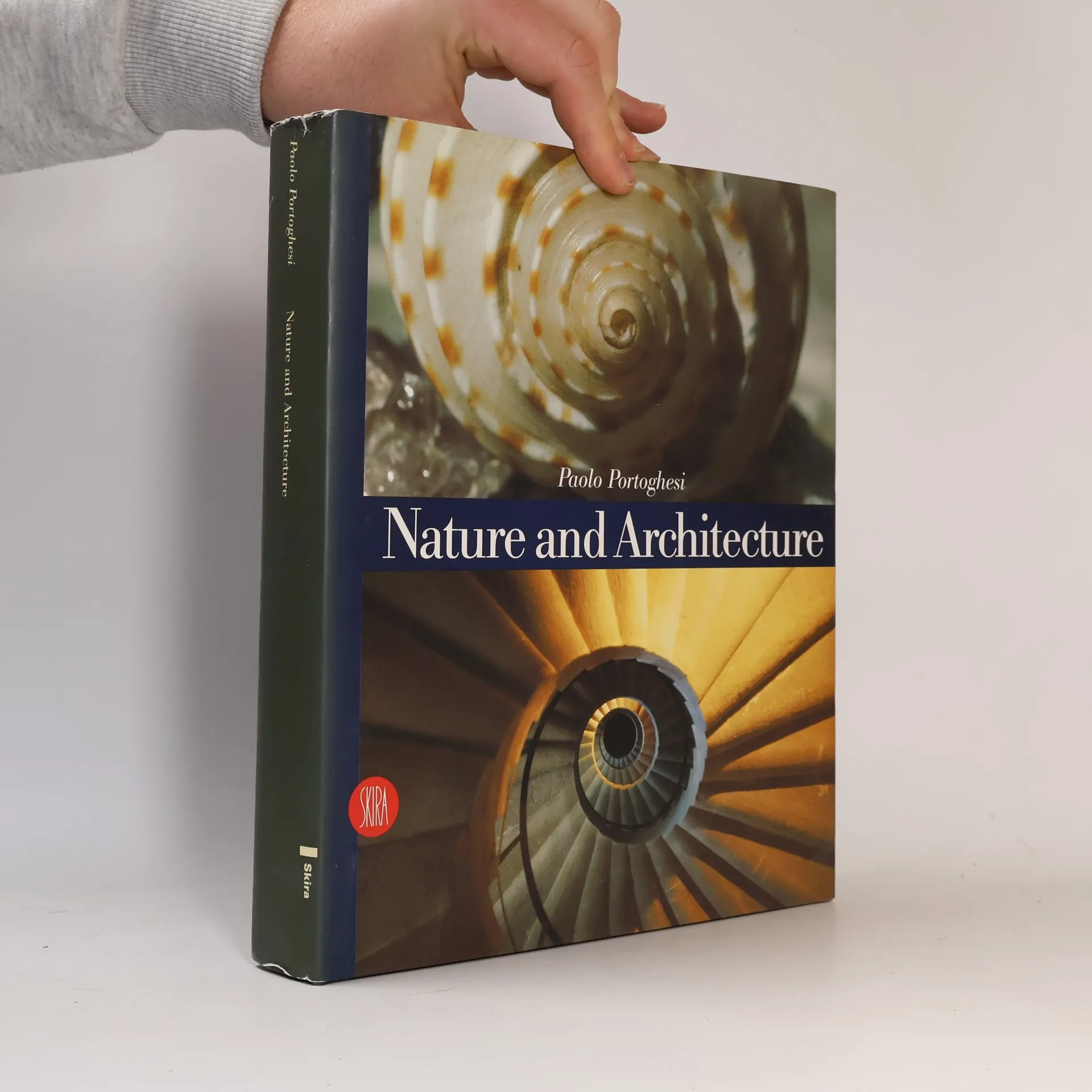
Nature and Architecture
Autorzy
Więcej o książce
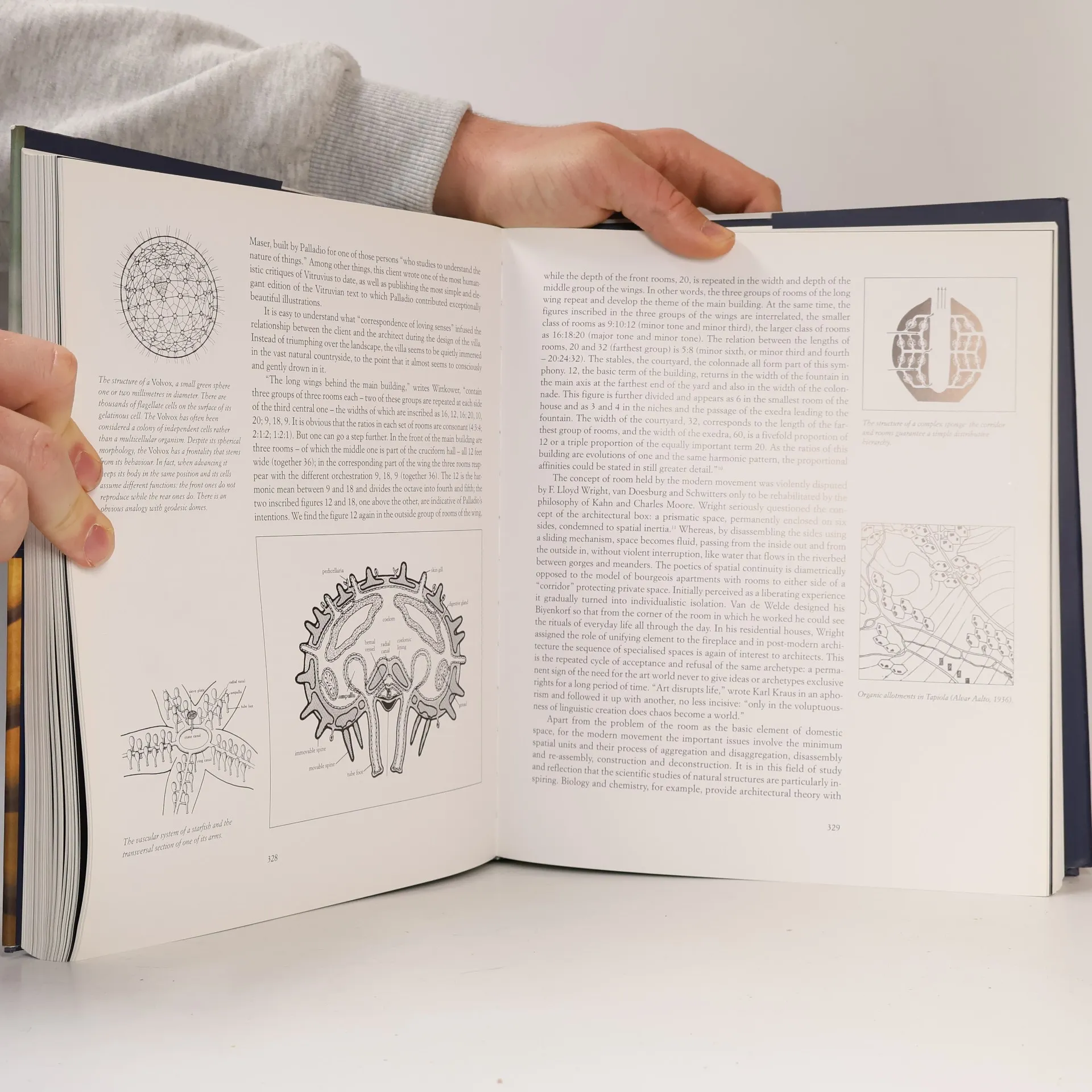
"Nature," wrote Novalis, "is a magical city frozen in stone." This work considers architecture as the magical transcription of nature's shapes and laws into the urban environment. It follows modern art's pursuit to evoke the primordial paths of expressionism, exploring the natural origins of architectural archetypes like the column, house, wall, door, temple, and tower. These elements are universally present in human construction, regardless of age or civilization. Evolving from research from the sixties, the text examines the differences and similarities between natural and architectural forms, drawing parallels between them and the principles that have shaped architecture across cultures. The aim is not merely to highlight naturalistic inspiration but to understand the unity shared by the human mind and the secret order of natural forms. While emphasizing ecology's importance, the work also references scientific advancements, particularly the "new paradigm," to illustrate how continuity and innovation in architecture can harmonize. This vision of architecture, inspired by a new alliance, seeks to reclaim the essence of the art of inhabiting the earth, moving away from its role as an instrument of dominion and violence, and embracing a more feminine approach, distancing itself from the arrogance of the late 20th century.
Zakup książki
Nature and Architecture, Paolo Portoghesi
- Język

- Rok wydania
- 2000
- Oprawa
- (twarda),
- Stan książki
- Dobry
- Cena
- 165,99 zł
Metody płatności
Nikt jeszcze nie ocenił.
- Tytuł
- Nature and Architecture
- Język
- angielski
- Autorzy
- Paolo Portoghesi
- Wydawca
- Skira
- Rok wydania
- 2000
- Oprawa
- twarda
- Liczba stron
- 527
- ISBN10
- 8881186586
- ISBN13
- 9788881186587
- Seria
- Kategorie
- Tagi
- Tematy historyczne, Architektura, USA, Krytyka, Historia społeczna, Projektowanie, Teoria Architektury
- Opis
- "Nature," wrote Novalis, "is a magical city frozen in stone." This work considers architecture as the magical transcription of nature's shapes and laws into the urban environment. It follows modern art's pursuit to evoke the primordial paths of expressionism, exploring the natural origins of architectural archetypes like the column, house, wall, door, temple, and tower. These elements are universally present in human construction, regardless of age or civilization. Evolving from research from the sixties, the text examines the differences and similarities between natural and architectural forms, drawing parallels between them and the principles that have shaped architecture across cultures. The aim is not merely to highlight naturalistic inspiration but to understand the unity shared by the human mind and the secret order of natural forms. While emphasizing ecology's importance, the work also references scientific advancements, particularly the "new paradigm," to illustrate how continuity and innovation in architecture can harmonize. This vision of architecture, inspired by a new alliance, seeks to reclaim the essence of the art of inhabiting the earth, moving away from its role as an instrument of dominion and violence, and embracing a more feminine approach, distancing itself from the arrogance of the late 20th century.