

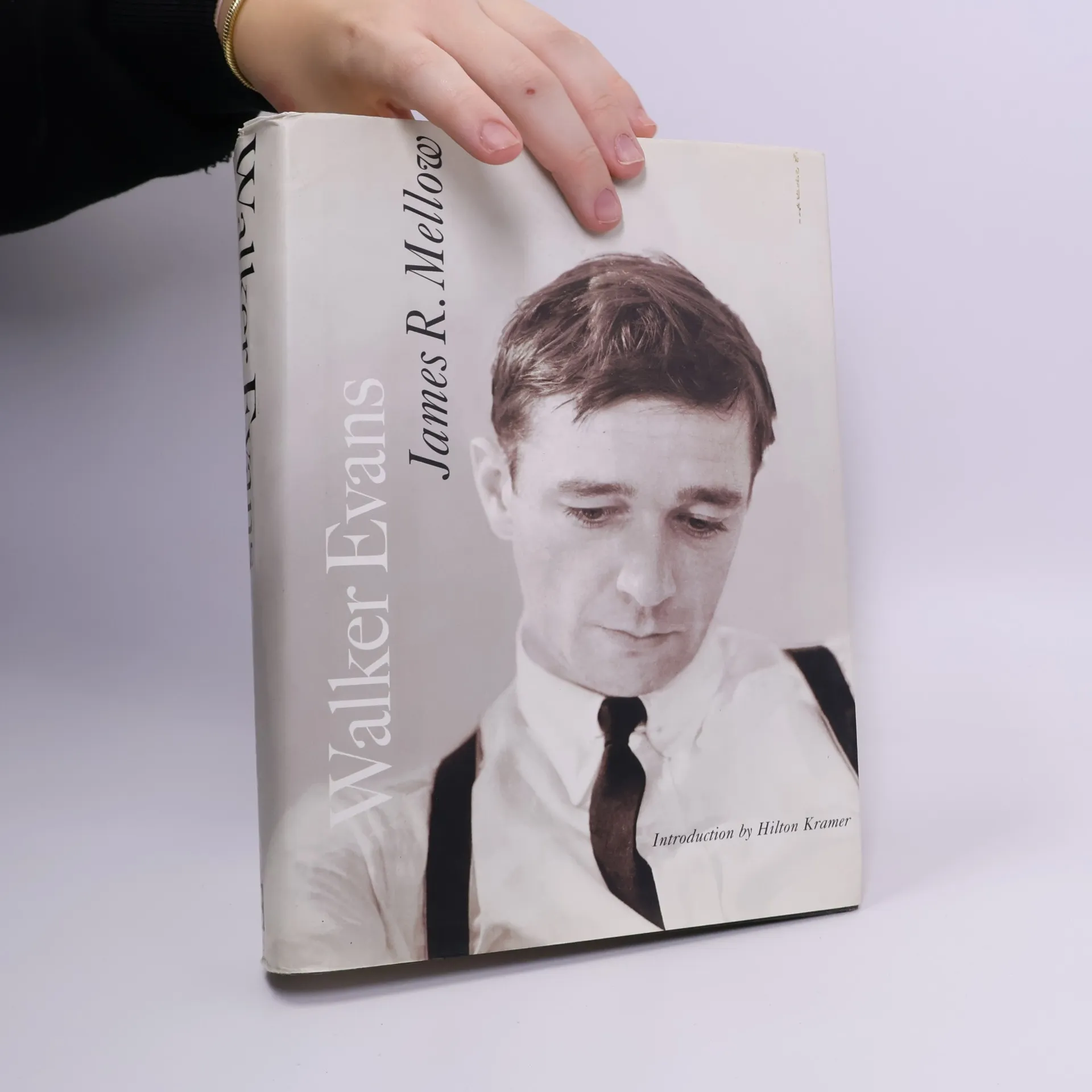
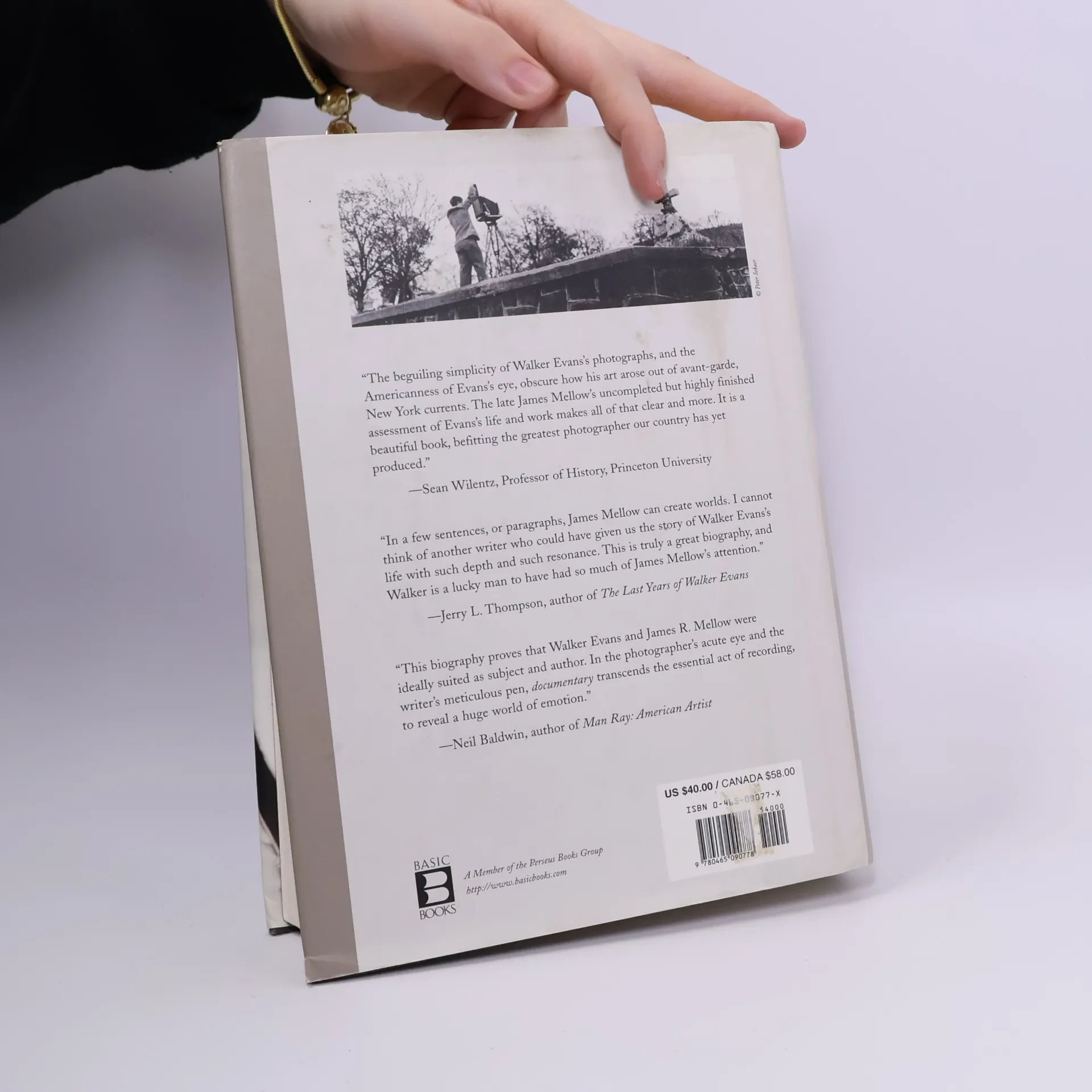

Walker Evans
Więcej o książce
"With unrestricted access to all of Evans's diaries, letters, work logs and contact sheets, as well as to the diaries of Lincoln Kirstein," the author provides a biography of the photographer known for Depression Era photographs of Alabama sharecroppers, as well as a "chronicle of the art of our time."--Jacket. The Depression Era photographs of Alabama share-croppers by Walker Evans remain among the most indelible and iconic images in the American consciousness. Indeed, the entire oeuvre of this great photographer is one of the most influential bodies of photographic work in this century. As James Mellow's biography makes clear, however, Walker Evans was not the propagandist for social causes he was presumed to be. He was, instead, a fastidious observer of the true nature of things, or, as he himself has said, of "things as they are." His instinctive aversion to "artiness" led him to documenting the dusty particulars of American life, its back roads and rundown mill towns, the roadside stands, torn movie posters and advertisements for departed minstrel shows. He developed a peculiarly American vernacular that made his photographs almost immediately recognizable. With unrestricted access to all of Evans's diaries, letters, work logs and contact sheets, as well as to the diaries of Lincoln Kirstein, James R. Mellow has written both a major biography of a seminal American artist.
Zakup książki
Walker Evans, Walker Evans, Hilton Kramer, James R. Mellow
- Język

- Rok wydania
- 1999
- Oprawa
- (twarda),
- Stan książki
- Dobry
- Cena
- 47,99 zł
Metody płatności
Nikt jeszcze nie ocenił.
- Tytuł
- Walker Evans
- Język
- angielski
- Autorzy
- Walker Evans, Hilton Kramer, James R. Mellow
- Wydawca
- Basic Books
- Rok wydania
- 1999
- Oprawa
- twarda
- Liczba stron
- 656
- ISBN10
- 046509077X
- ISBN13
- 9780465090778
- Seria
- Opis
- "With unrestricted access to all of Evans's diaries, letters, work logs and contact sheets, as well as to the diaries of Lincoln Kirstein," the author provides a biography of the photographer known for Depression Era photographs of Alabama sharecroppers, as well as a "chronicle of the art of our time."--Jacket. The Depression Era photographs of Alabama share-croppers by Walker Evans remain among the most indelible and iconic images in the American consciousness. Indeed, the entire oeuvre of this great photographer is one of the most influential bodies of photographic work in this century. As James Mellow's biography makes clear, however, Walker Evans was not the propagandist for social causes he was presumed to be. He was, instead, a fastidious observer of the true nature of things, or, as he himself has said, of "things as they are." His instinctive aversion to "artiness" led him to documenting the dusty particulars of American life, its back roads and rundown mill towns, the roadside stands, torn movie posters and advertisements for departed minstrel shows. He developed a peculiarly American vernacular that made his photographs almost immediately recognizable. With unrestricted access to all of Evans's diaries, letters, work logs and contact sheets, as well as to the diaries of Lincoln Kirstein, James R. Mellow has written both a major biography of a seminal American artist.