

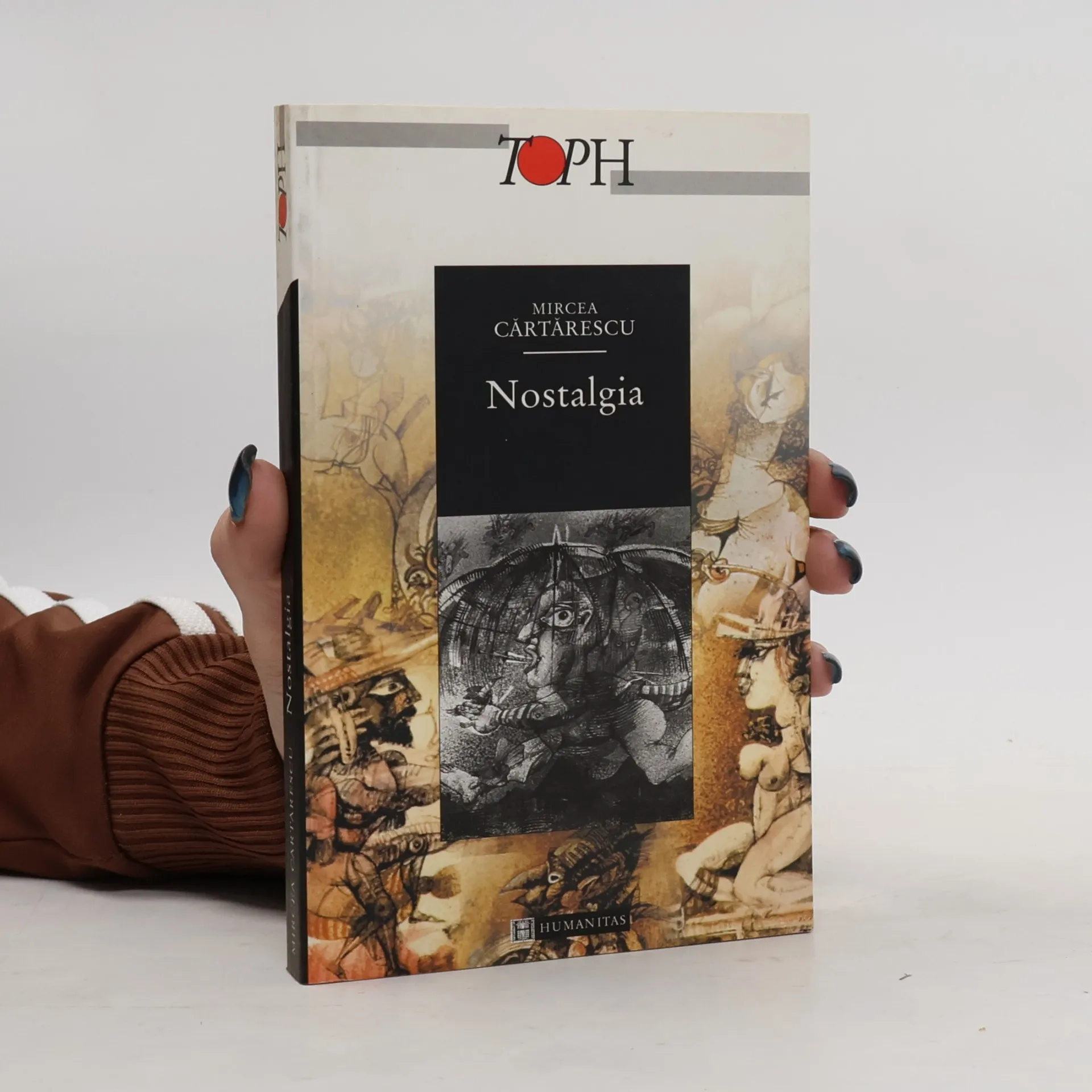


Nostalgia
Autorzy
Więcej o książce
<b>The astonishing debut in English of one of Romania's foremost writers.</b> Mircea Cartarescu, born in 1956, is one of Romania's leading novelists and poets. This translation of his 1989 novel <i>Nostalgia</i>, writes Andrei Codrescu, "introduces to English a writer who has always had a place reserved for him in a constellation that includes the Brothers Grimm, Franz Kafka, Jorge Luis Borges, Bruno Schulz, Julio Cortázar, Gabriel García Márquez, Milan Kundera, and Milorad Pavic, to mention just a few." Like most of his literary contemporaries of the avant-garde Eighties Generation, his major work has been translated into several European languages, with the notable exception, until now, of English. Readers opening the pages of <i>Nostalgia</i> should brace themselves for a verbal tidal wave of the imagination that will wash away previous ideas of what a novel is or ought to be. Although each of its five chapters is separate and stands alone, a thematic, even mesmeric harmony finds itself in children's games, the music of the spheres, humankind's primordial myth-making, the origins of the universe, and in the dilapidated tenement blocks of an apocalyptic Bucharest during the years of communist dictatorship.
Zakup książki
Nostalgia, Mircea Cărtărescu
- Język

- Rok wydania
- 2000
- Oprawa
- (miękka)
Metody płatności
Nikt jeszcze nie ocenił.
- Tytuł
- Nostalgia
- Język
- rumuński
- Autorzy
- Mircea Cărtărescu
- Wydawca
- Humanitas
- Rok wydania
- 2000
- Oprawa
- miękka
- Liczba stron
- 318
- ISBN10
- 9735000563
- ISBN13
- 9789735000561
- Seria
- Kategorie
- Opis
- <b>The astonishing debut in English of one of Romania's foremost writers.</b> Mircea Cartarescu, born in 1956, is one of Romania's leading novelists and poets. This translation of his 1989 novel <i>Nostalgia</i>, writes Andrei Codrescu, "introduces to English a writer who has always had a place reserved for him in a constellation that includes the Brothers Grimm, Franz Kafka, Jorge Luis Borges, Bruno Schulz, Julio Cortázar, Gabriel García Márquez, Milan Kundera, and Milorad Pavic, to mention just a few." Like most of his literary contemporaries of the avant-garde Eighties Generation, his major work has been translated into several European languages, with the notable exception, until now, of English. Readers opening the pages of <i>Nostalgia</i> should brace themselves for a verbal tidal wave of the imagination that will wash away previous ideas of what a novel is or ought to be. Although each of its five chapters is separate and stands alone, a thematic, even mesmeric harmony finds itself in children's games, the music of the spheres, humankind's primordial myth-making, the origins of the universe, and in the dilapidated tenement blocks of an apocalyptic Bucharest during the years of communist dictatorship.