

Masters of Art
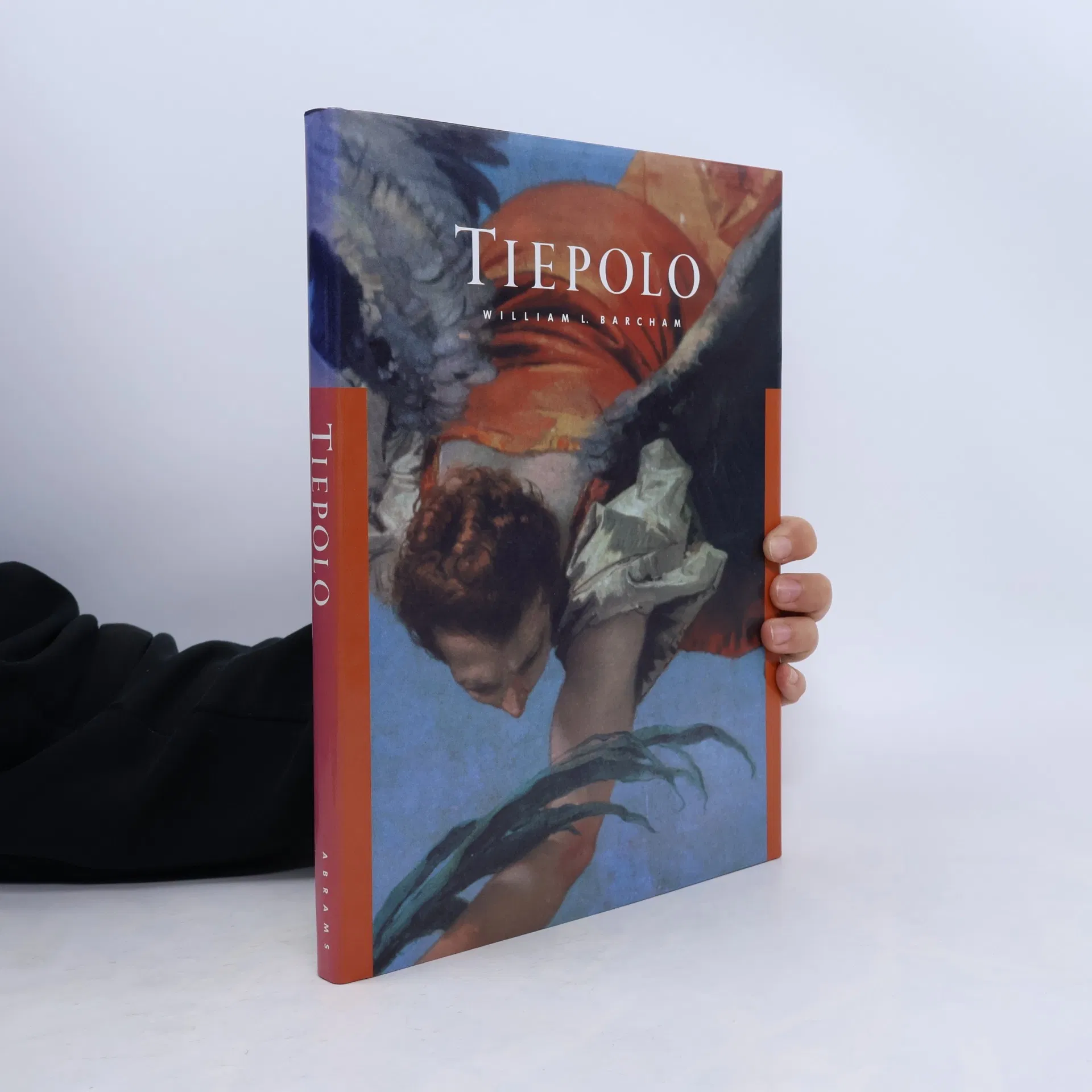
Tiepolo
Autorzy
Więcej o książce
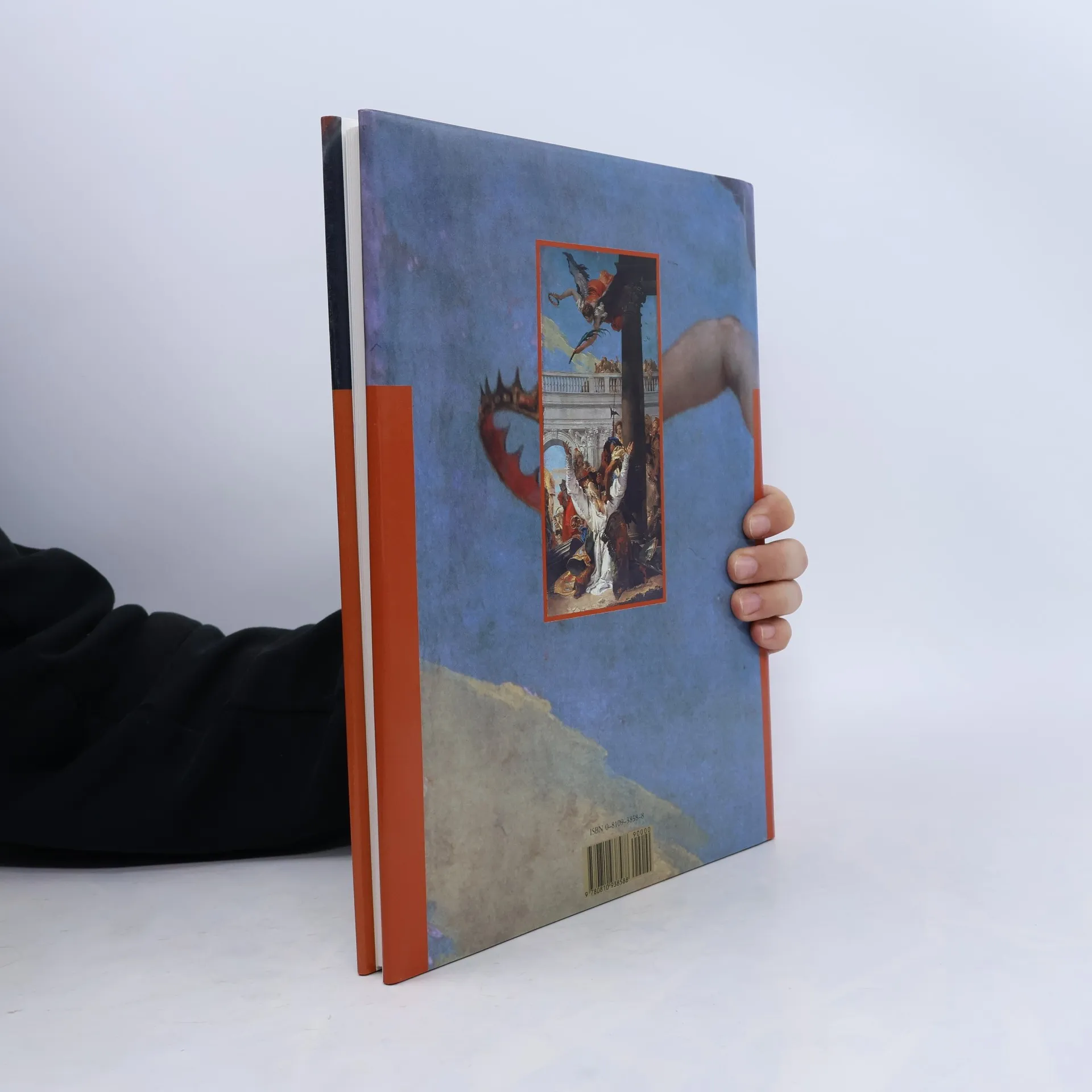
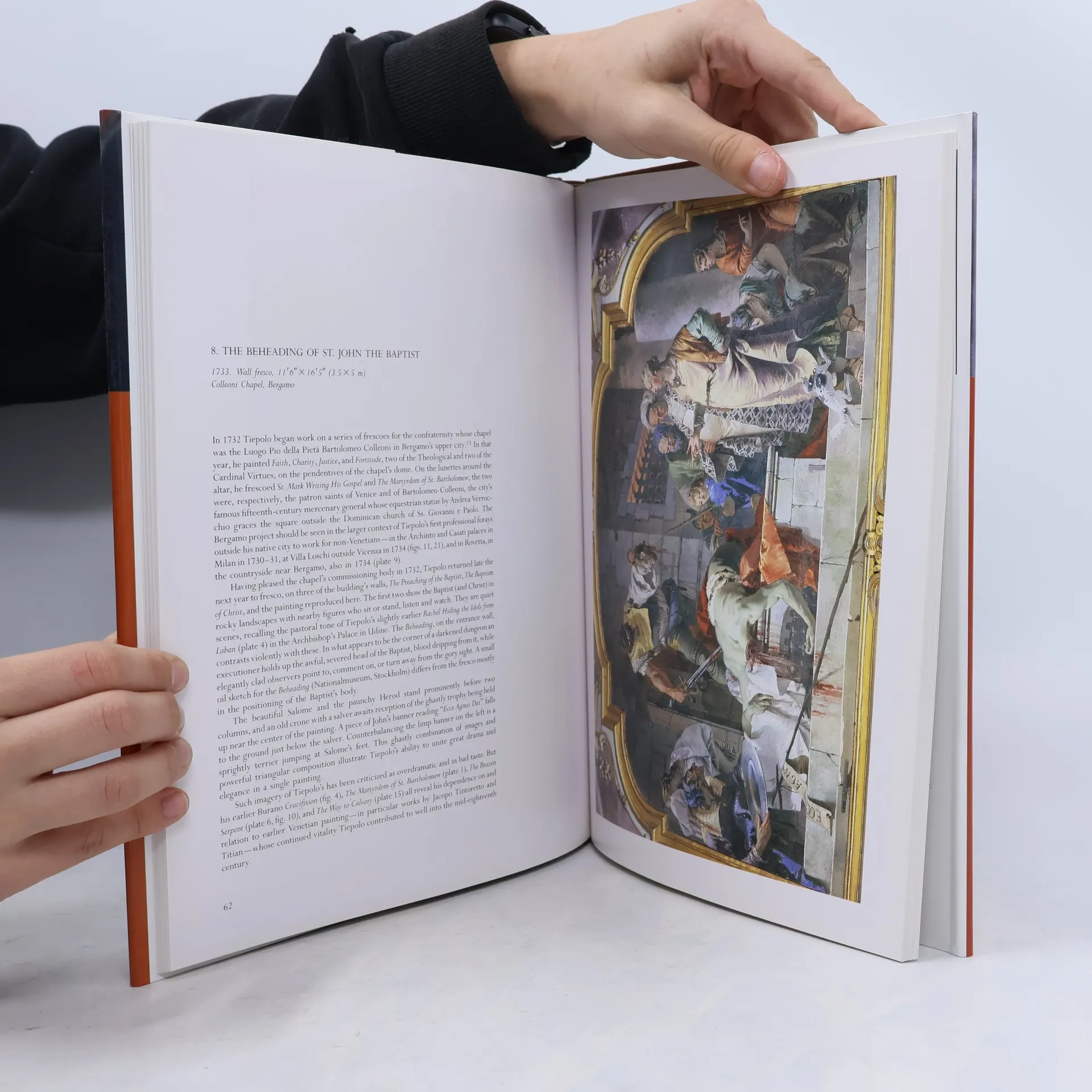
The art of Giambattista Tiepolo (1696-1770) represents a key chapter in the rich history of Venetian painting. Tiepolo first exhibited in his native Venice in 1716; his career ended in Madrid, where he died while employed by the King of Spain. In Venice and Madrid, throughout northern Italy, and in England, France, and Germany, Tiepolo produced paintings for churches, princes, religious orders, and private patrons. He was Italy's most important painter of the eighteenth century, and with Antoine Watteau he stands out as one of the two greatest in Europe before the artistic and intellectual watershed of the French Revolution.The range of Tiepolo's art is as wide as his career was long. His desire to instruct, delight, and astonish is evident in the clarity of his narratives, the harmonies of his ravashing hues, and the bold illusionism of his grand decorative projects. As a young man, influenced by the Italian followers of Caravaggio, Tiepolo worked in a tenebrist, or dark, manner. Then, deeply affected by the brilliantly colored dramas of Paolo Veronese, he developed his mature, sun-filled style, which he employed in grandiose fresco cycles in aristocratic and royal residences such as Palazzo Labia in Venice and the Archbishop's Palace in Wurzburg. On church ceilings, he depicted popular miracles. In alterpieces and cabinet paintings in oil, he ennobled statesmen, dramatized the miraces of the Old Testament, and portrayed the deep pathos of Christian martyrs and saints. His small oil sketches and drawings reveal his fertile imagination and great technical ability.
Zakup książki
Masters of Art, William L. Barcham
- Język

- Rok wydania
- 1992
- Oprawa
- (twarda),
- Stan książki
- Bardzo dobry
- Cena
- 63,79 zł
Metody płatności
Nikt jeszcze nie ocenił.
- Tytuł
- Masters of Art
- Podtytuł
- Tiepolo
- Język
- angielski
- Autorzy
- William L. Barcham
- Wydawca
- Harry N. Abrams
- Rok wydania
- 1992
- Oprawa
- twarda
- Liczba stron
- 128
- ISBN10
- 0810938588
- ISBN13
- 9780810938588
- Seria
- Tagi
- Sztuka, USA, Włochy, Historia sztuki, Zachodnia Europa, Artyści
- Opis
- The art of Giambattista Tiepolo (1696-1770) represents a key chapter in the rich history of Venetian painting. Tiepolo first exhibited in his native Venice in 1716; his career ended in Madrid, where he died while employed by the King of Spain. In Venice and Madrid, throughout northern Italy, and in England, France, and Germany, Tiepolo produced paintings for churches, princes, religious orders, and private patrons. He was Italy's most important painter of the eighteenth century, and with Antoine Watteau he stands out as one of the two greatest in Europe before the artistic and intellectual watershed of the French Revolution.The range of Tiepolo's art is as wide as his career was long. His desire to instruct, delight, and astonish is evident in the clarity of his narratives, the harmonies of his ravashing hues, and the bold illusionism of his grand decorative projects. As a young man, influenced by the Italian followers of Caravaggio, Tiepolo worked in a tenebrist, or dark, manner. Then, deeply affected by the brilliantly colored dramas of Paolo Veronese, he developed his mature, sun-filled style, which he employed in grandiose fresco cycles in aristocratic and royal residences such as Palazzo Labia in Venice and the Archbishop's Palace in Wurzburg. On church ceilings, he depicted popular miracles. In alterpieces and cabinet paintings in oil, he ennobled statesmen, dramatized the miraces of the Old Testament, and portrayed the deep pathos of Christian martyrs and saints. His small oil sketches and drawings reveal his fertile imagination and great technical ability.