

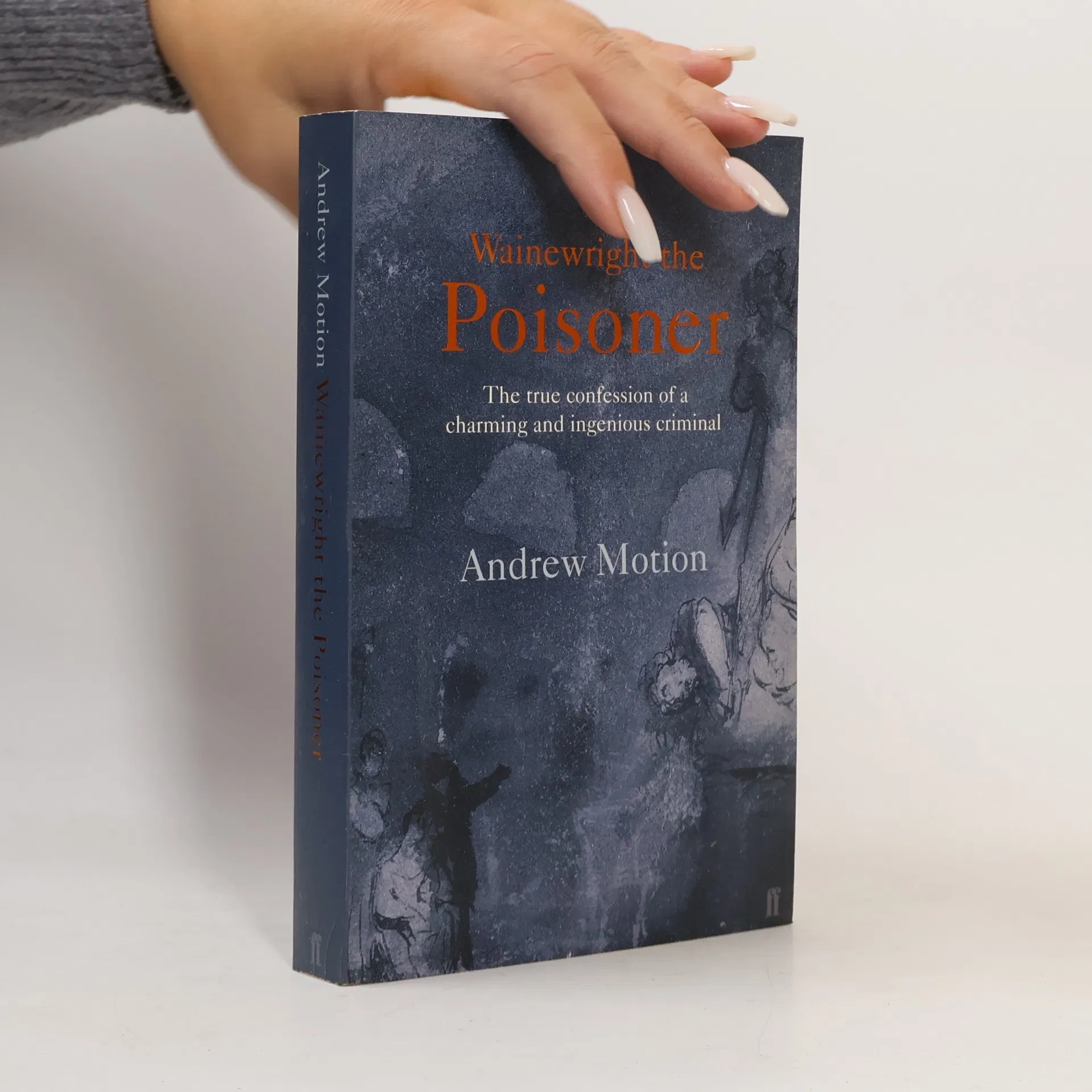
Wainewright the Poisoner
Autorzy
Parametry
- 336 stron
- 12 godzin czytania
Więcej o książce
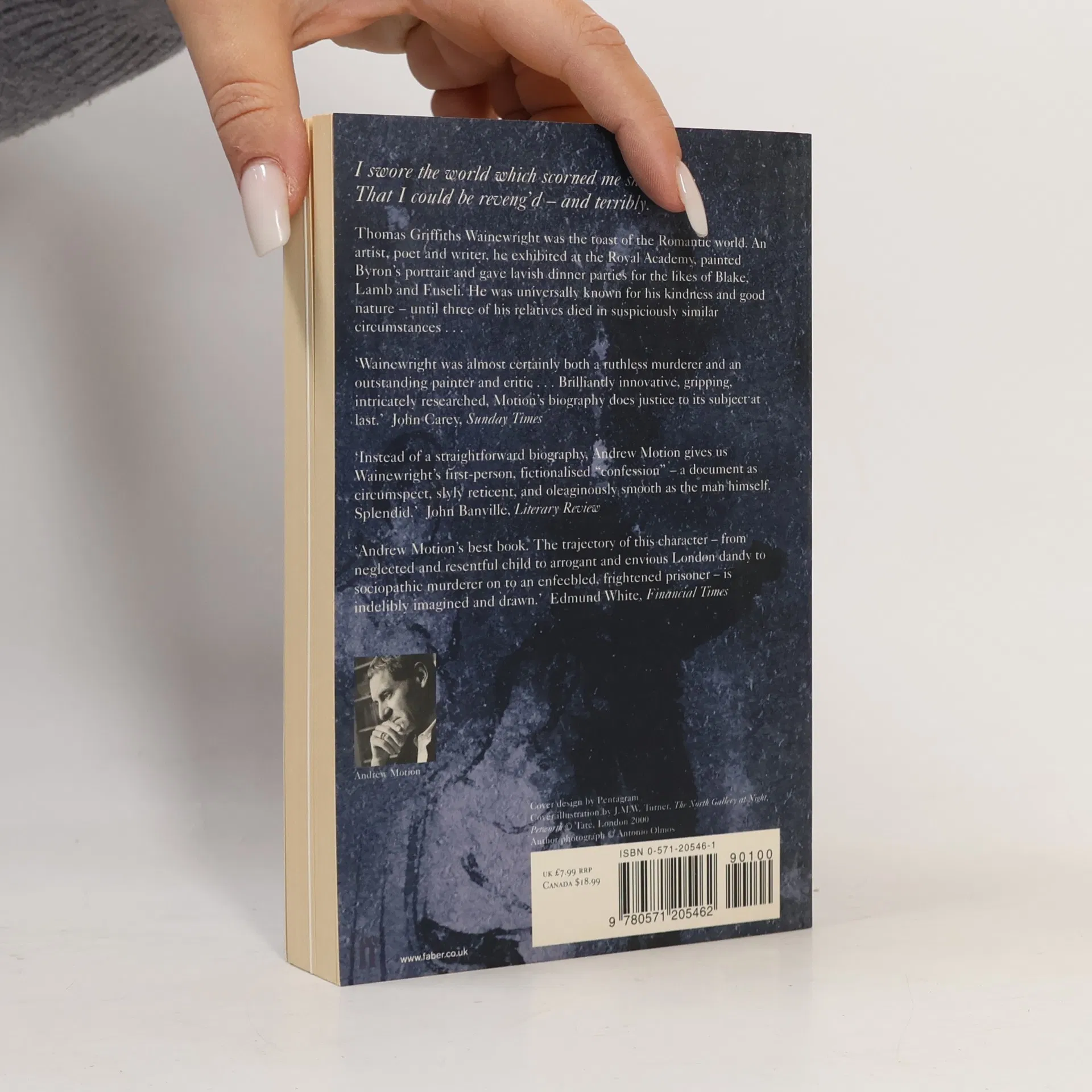
A dazzling and boldly original biography by Andrew Motion, Poet Laureate and the celebrated biographer of Larkin and Keats. Thomas Griffiths Wainewright was an ingenious and unscrupulous criminal. In 1828 he inherited the handsome family home, while successive legacies allowed him to maintain a flamboyant lifestyle. Meanwhile, within the space of a few years, three of his relatives died in suspicious circumstances. Eventually tried and arrested, Wainewright was transported for life to Tasmania. Yet he had lived at the centre of the Romantic world. He exhibited at the Royal Academy and painted Byron's portrait. He was good friends with Henry Fuseli, William Blake and Charles Lamb, and knew John Clare, William Hazlitt, Thomas de Quincey and John Keats. He was known as amiable, kind, and good-hearted. Combining the form of a 'confession' with notes, asides and illuminations, <b>Wainewright the Poisoner</b> strips away the layers of legend and restores Wainewright to his own voice, capturing his dandified style, his charm as well as his callousness, his wit as well as his wantonness - and his deadly unreliability.
Zakup książki
Wainewright the Poisoner, Sir Andrew Motion
- Język

- Rok wydania
- 2001
- Oprawa
- (miękka),
- Stan książki
- Dobry
- Cena
- 14,39 zł
Metody płatności
Nikt jeszcze nie ocenił.
- Tytuł
- Wainewright the Poisoner
- Język
- angielski
- Autorzy
- Sir Andrew Motion
- Wydawca
- Faber & Faber
- Rok wydania
- 2001
- Oprawa
- miękka
- Liczba stron
- 336
- ISBN10
- 0571205461
- ISBN13
- 9780571205462
- Seria
- Kategorie
- Tagi
- Kryminały & Sensacja, Społeczeństwo, Anglia, Wielka Brytania, Wskaźnik przestępczości, Kryminologia, Zbrodniarze
- Opis
- A dazzling and boldly original biography by Andrew Motion, Poet Laureate and the celebrated biographer of Larkin and Keats. Thomas Griffiths Wainewright was an ingenious and unscrupulous criminal. In 1828 he inherited the handsome family home, while successive legacies allowed him to maintain a flamboyant lifestyle. Meanwhile, within the space of a few years, three of his relatives died in suspicious circumstances. Eventually tried and arrested, Wainewright was transported for life to Tasmania. Yet he had lived at the centre of the Romantic world. He exhibited at the Royal Academy and painted Byron's portrait. He was good friends with Henry Fuseli, William Blake and Charles Lamb, and knew John Clare, William Hazlitt, Thomas de Quincey and John Keats. He was known as amiable, kind, and good-hearted. Combining the form of a 'confession' with notes, asides and illuminations, <b>Wainewright the Poisoner</b> strips away the layers of legend and restores Wainewright to his own voice, capturing his dandified style, his charm as well as his callousness, his wit as well as his wantonness - and his deadly unreliability.