

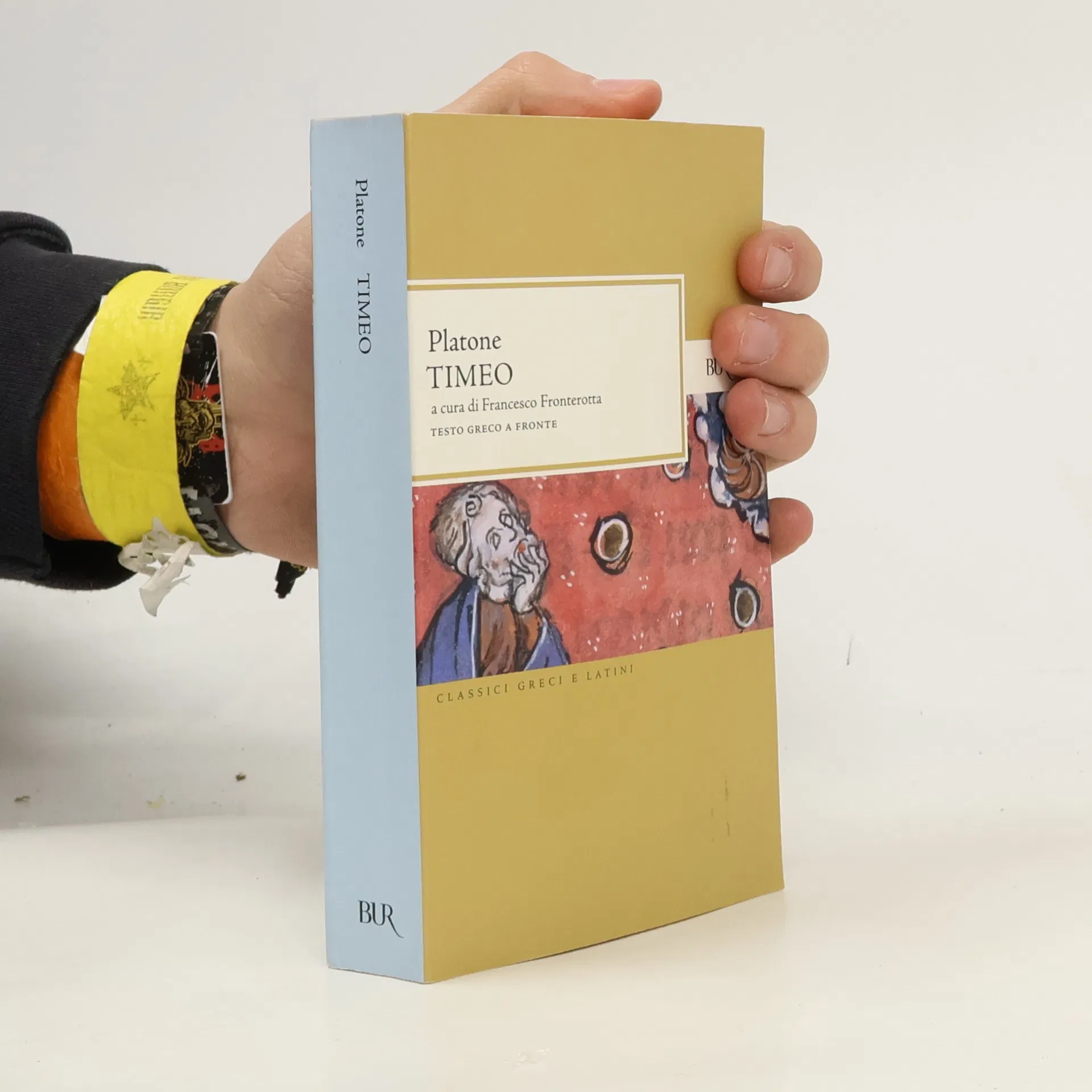
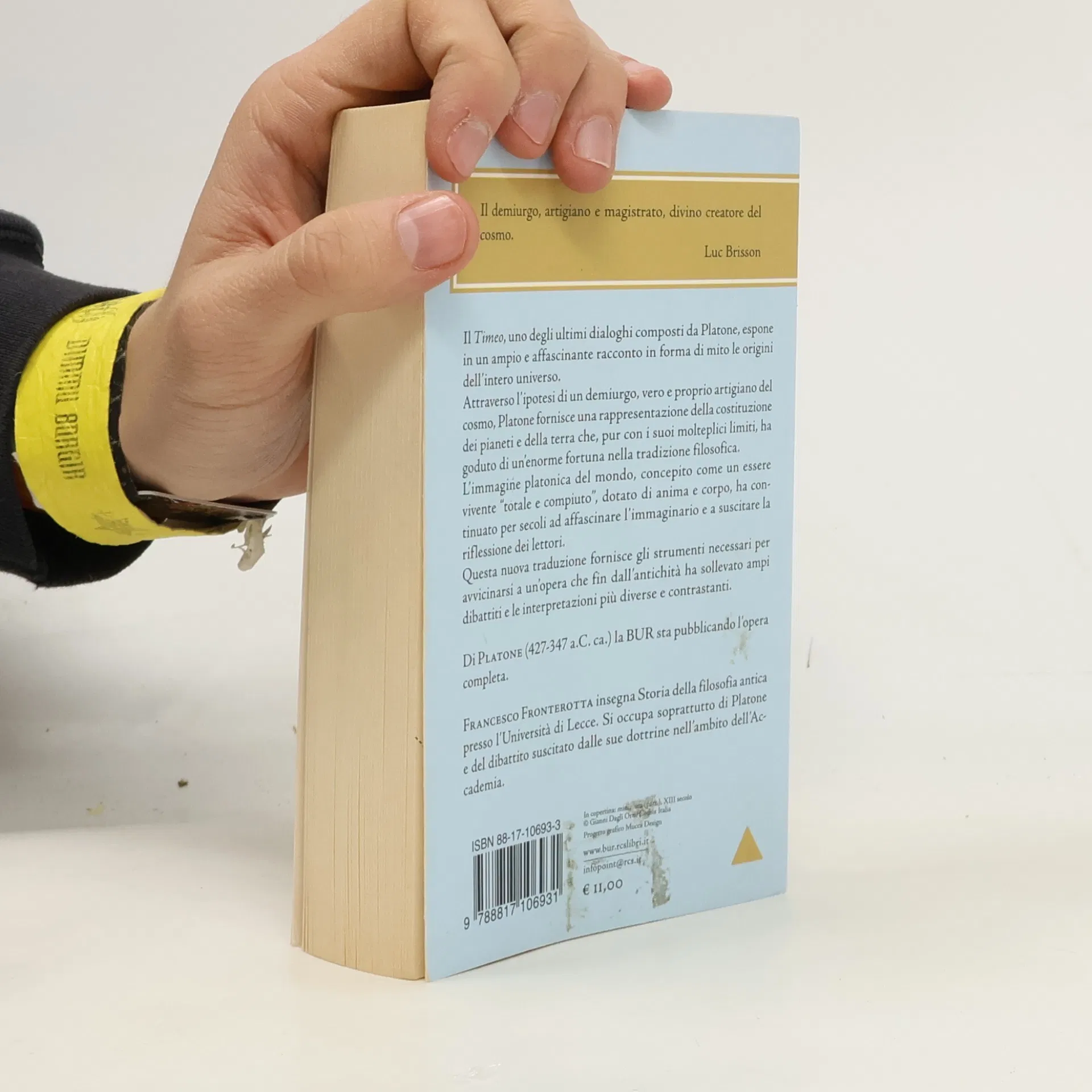
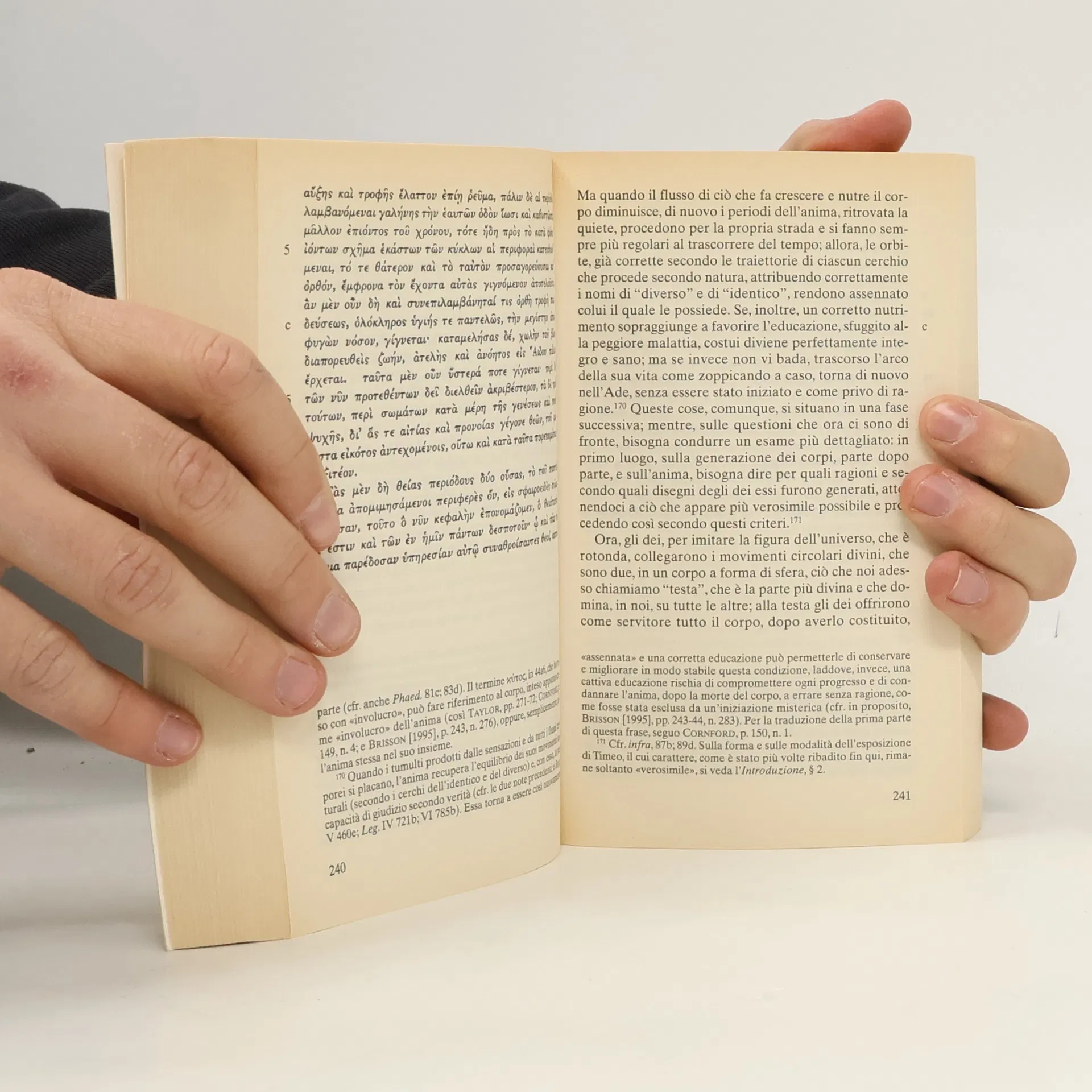
Classici Greci e Latini - 1462: Timeo. Testo greco a fronte
Autorzy
Więcej o książce
This text is extracted from Cornford's longer Plato's Cosmology. Timaeus (c. 360 BCE) is one of Plato's dialogs, mostly in the form of a long monologue given by the title character. The work puts forward speculation on the nature of the physical world & human beings. It's followed by the dialog Critias. Speakers are Socrates, Timaeus of Locri, Hermocrates & Critias. Some believe that it isn't the Critias of the Thirty Tyrants who appears, but his grandfather of the same name. The dialog takes place the day after Socrates described his ideal state. In Plato's works such a discussion occurs in the Republic. Socrates feels that his description of the ideal state wasn't sufficient for the purposes of entertainment & that "I'd be glad to hear some account of it engaging in transactions with other states" (19b). Hermocrates wishes to oblige & mentions that Critias knows just the account (20b) to do so. Critias proceeds to tell the story of Solon's journey to Egypt where he hears the story of Atlantis & how Athens used to be an ideal state that subsequently waged war against Atlantis (25a). Critias believes he's getting ahead of himself, & mentions that Timaeus will tell part of the account from the origin of the cosmos to man. The history of Atlantis is postponed to Critias. The main content of the dialog, Timaeus' exposition, follows.
Zakup książki
Classici Greci e Latini - 1462: Timeo. Testo greco a fronte, Francesco Fronterotta, Plato
- Język

- Rok wydania
- 2003
- Oprawa
- (miękka),
- Stan książki
- Dobry
- Cena
- 52,99 zł
Metody płatności
Nikt jeszcze nie ocenił.
- Tytuł
- Classici Greci e Latini - 1462: Timeo. Testo greco a fronte
- Język
- włoski
- Autorzy
- Francesco Fronterotta, Plato
- Wydawca
- BUR
- Rok wydania
- 2003
- Oprawa
- miękka
- Liczba stron
- 429
- ISBN10
- 8817106933
- ISBN13
- 9788817106931
- Seria
- Kategorie
- Tagi
- Nauka, Starożytność, Grecki
- Opis
- This text is extracted from Cornford's longer Plato's Cosmology. Timaeus (c. 360 BCE) is one of Plato's dialogs, mostly in the form of a long monologue given by the title character. The work puts forward speculation on the nature of the physical world & human beings. It's followed by the dialog Critias. Speakers are Socrates, Timaeus of Locri, Hermocrates & Critias. Some believe that it isn't the Critias of the Thirty Tyrants who appears, but his grandfather of the same name. The dialog takes place the day after Socrates described his ideal state. In Plato's works such a discussion occurs in the Republic. Socrates feels that his description of the ideal state wasn't sufficient for the purposes of entertainment & that "I'd be glad to hear some account of it engaging in transactions with other states" (19b). Hermocrates wishes to oblige & mentions that Critias knows just the account (20b) to do so. Critias proceeds to tell the story of Solon's journey to Egypt where he hears the story of Atlantis & how Athens used to be an ideal state that subsequently waged war against Atlantis (25a). Critias believes he's getting ahead of himself, & mentions that Timaeus will tell part of the account from the origin of the cosmos to man. The history of Atlantis is postponed to Critias. The main content of the dialog, Timaeus' exposition, follows.