

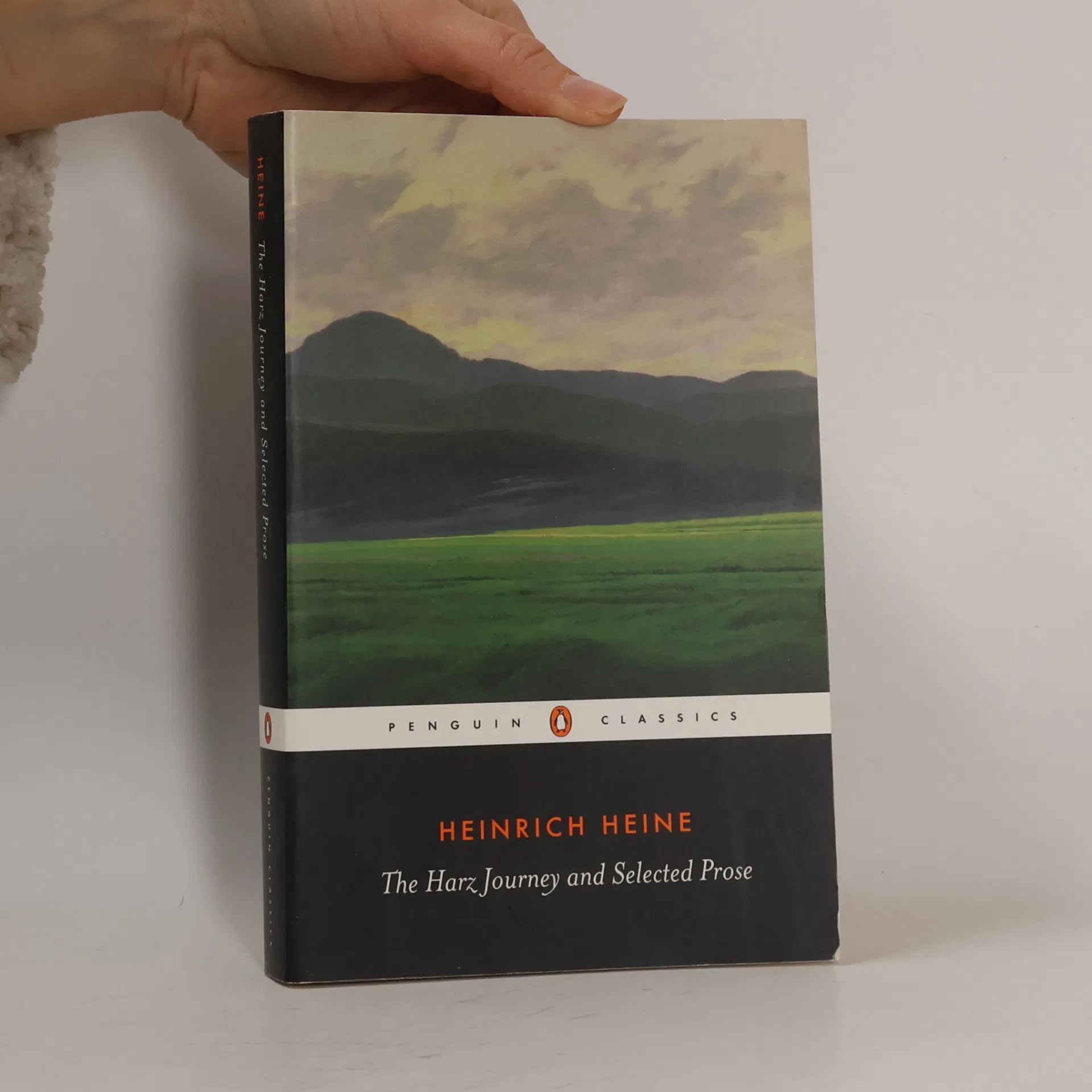
Penguin Classics: The Harz Journey and Selected Prose
Więcej o książce
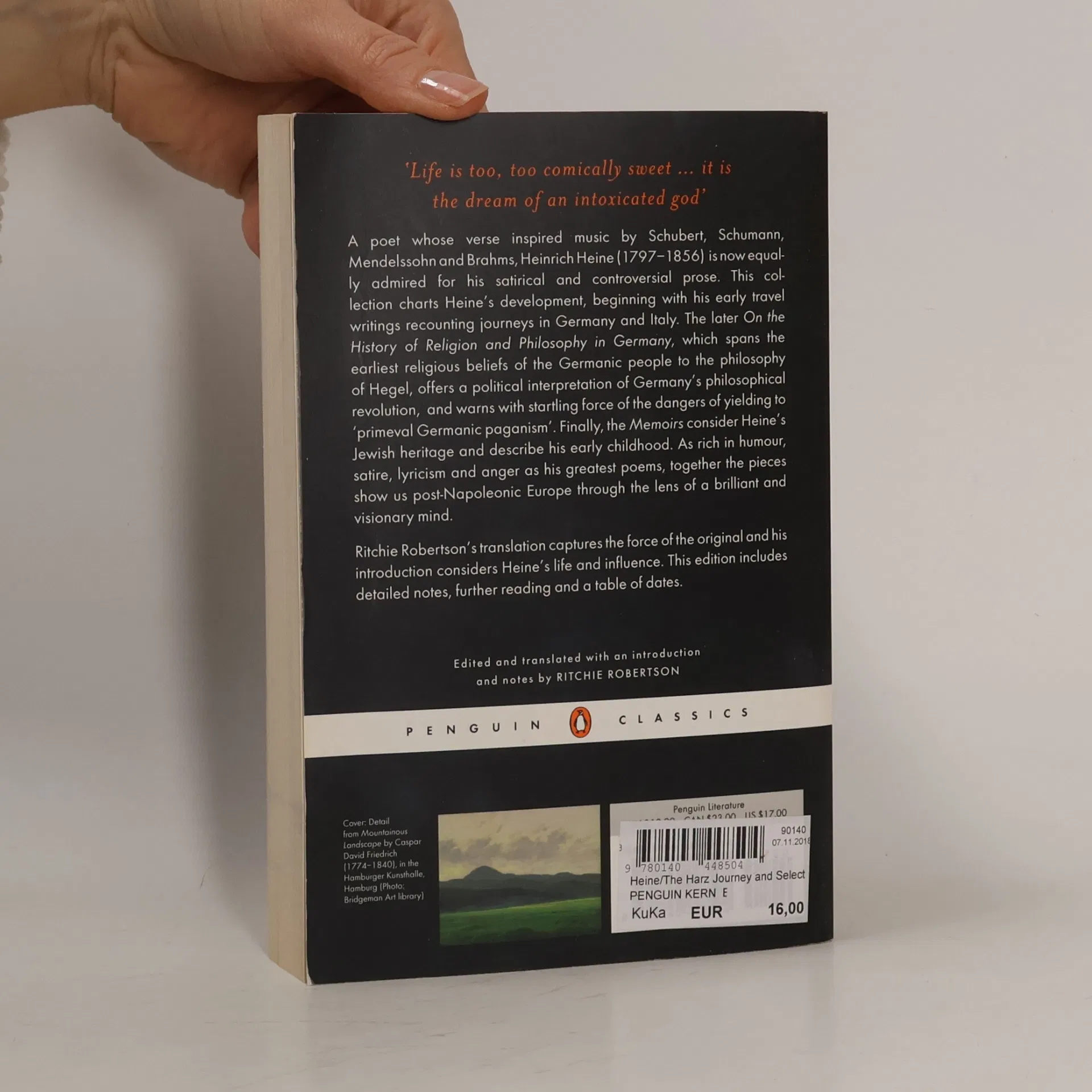
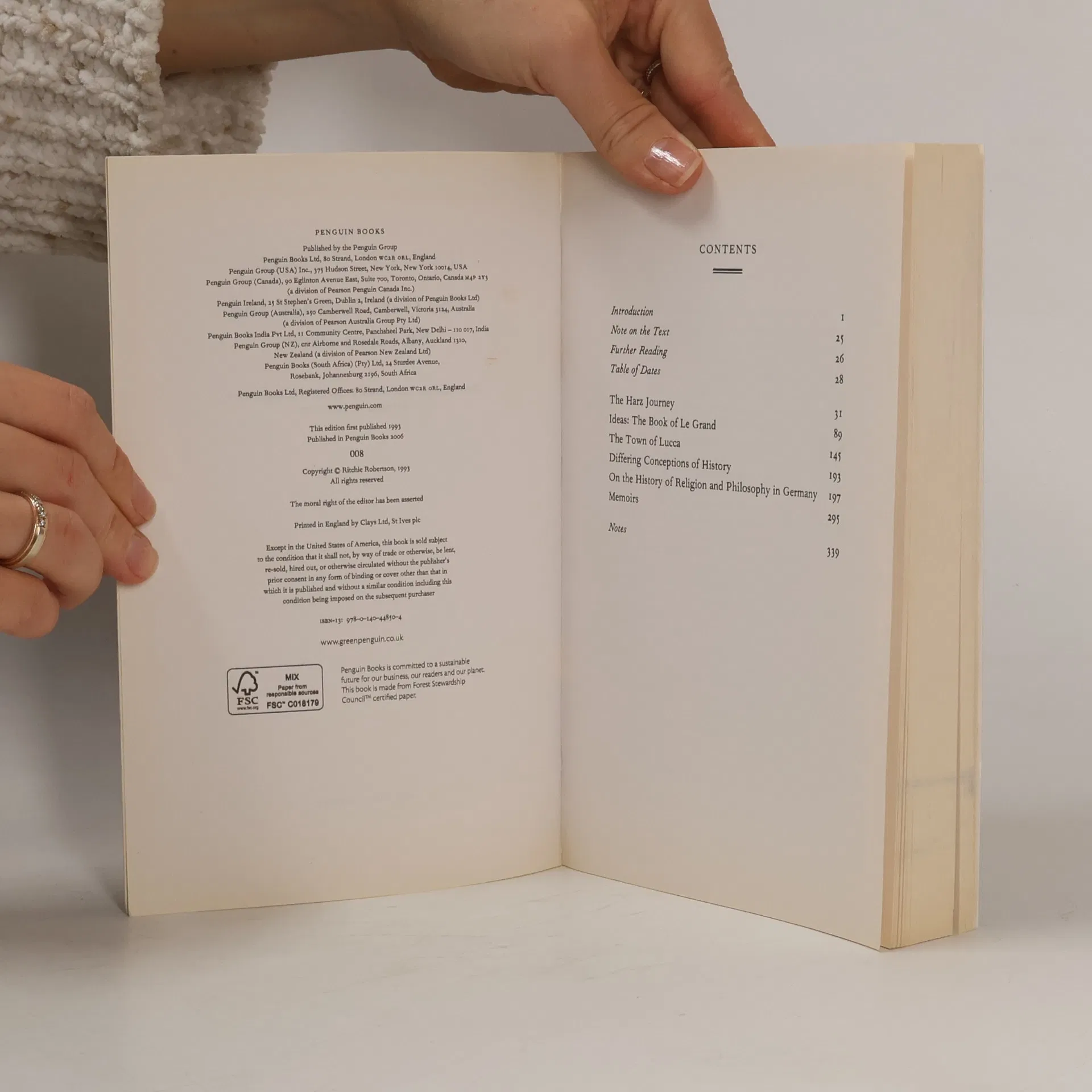
A poet whose verse inspired music by Schubert, Schumann, Mendelssohn and Brahms, Heinrich Heine (1797-1856) was in his lifetime equally admired for his elegant prose. This collection charts the development of that prose, beginning with three meditative works from the Travel Pictures, inspired by Heine's journeys as a young man to Lucca, Venice and the Harz Mountains. Exploring the development of spirituality, the later On the History of Religion and Philosophy in Germany spans the earliest religious beliefs of the Germanic people to the philosophy of Hegel, and warns with startling force of the dangers of yielding to 'primeval Germanic paganism'. Finally, the Memoirs consider Heine's Jewish heritage and describe his early childhood. As rich in humour, satire, lyricism and anger as his greatest poems, together the pieces offer a fascinating insight into a brilliant and prophetic mind.
Zakup książki
Penguin Classics: The Harz Journey and Selected Prose, Heinrich Heine, Ritchie Robertson
- Język

- Rok wydania
- 2008
- Oprawa
- (miękka),
- Stan książki
- Dobry
- Cena
- 46,99 zł
Metody płatności
Nikt jeszcze nie ocenił.
- Tytuł
- Penguin Classics: The Harz Journey and Selected Prose
- Język
- angielski
- Autorzy
- Heinrich Heine, Ritchie Robertson
- Wydawca
- Penguin Books
- Rok wydania
- 2008
- Oprawa
- miękka
- Liczba stron
- 368
- ISBN10
- 0140448500
- ISBN13
- 9780140448504
- Seria
- Kategorie
- Tagi
- Tematy historyczne, Podróże, Tematyka psychologiczna, Kryminały & Sensacja, Tematyka filozoficzna, Sztuka, Tematyka muzyczna, Miłość, Literatura niemiecka, Duchowość, Opowiadania, Niemcy, XX wiek, Szkoła, Teologia, XIX wiek, Anglia, Mitologia, Średniowiecze, Krytyka literacka, Literatura angielska, Pisanie, Nowele, Folklor & Kultura ludowa, Gotyka, Zachodnia Europa, Romantyzm, Sagi rodzinne, Renesans, Modernizm, Grecki, Wiersz
- Opis
- A poet whose verse inspired music by Schubert, Schumann, Mendelssohn and Brahms, Heinrich Heine (1797-1856) was in his lifetime equally admired for his elegant prose. This collection charts the development of that prose, beginning with three meditative works from the Travel Pictures, inspired by Heine's journeys as a young man to Lucca, Venice and the Harz Mountains. Exploring the development of spirituality, the later On the History of Religion and Philosophy in Germany spans the earliest religious beliefs of the Germanic people to the philosophy of Hegel, and warns with startling force of the dangers of yielding to 'primeval Germanic paganism'. Finally, the Memoirs consider Heine's Jewish heritage and describe his early childhood. As rich in humour, satire, lyricism and anger as his greatest poems, together the pieces offer a fascinating insight into a brilliant and prophetic mind.