

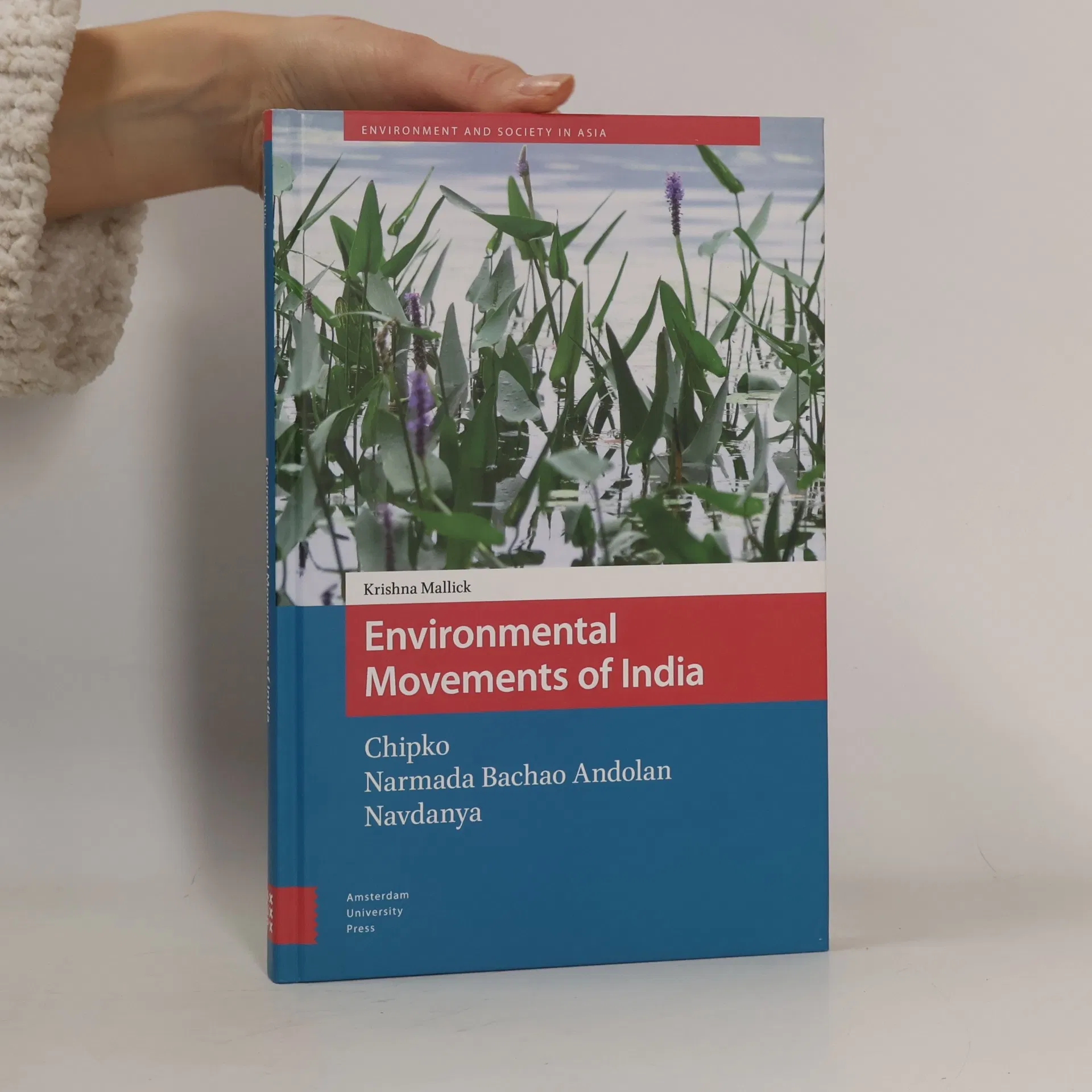
Environment and Society in Asia: Environmental Movements of India
Chipko, Narmada Bachao Andolan, Navdanya
Autorzy
Parametry
- 190 stron
- 7 godzin czytania
Więcej o książce
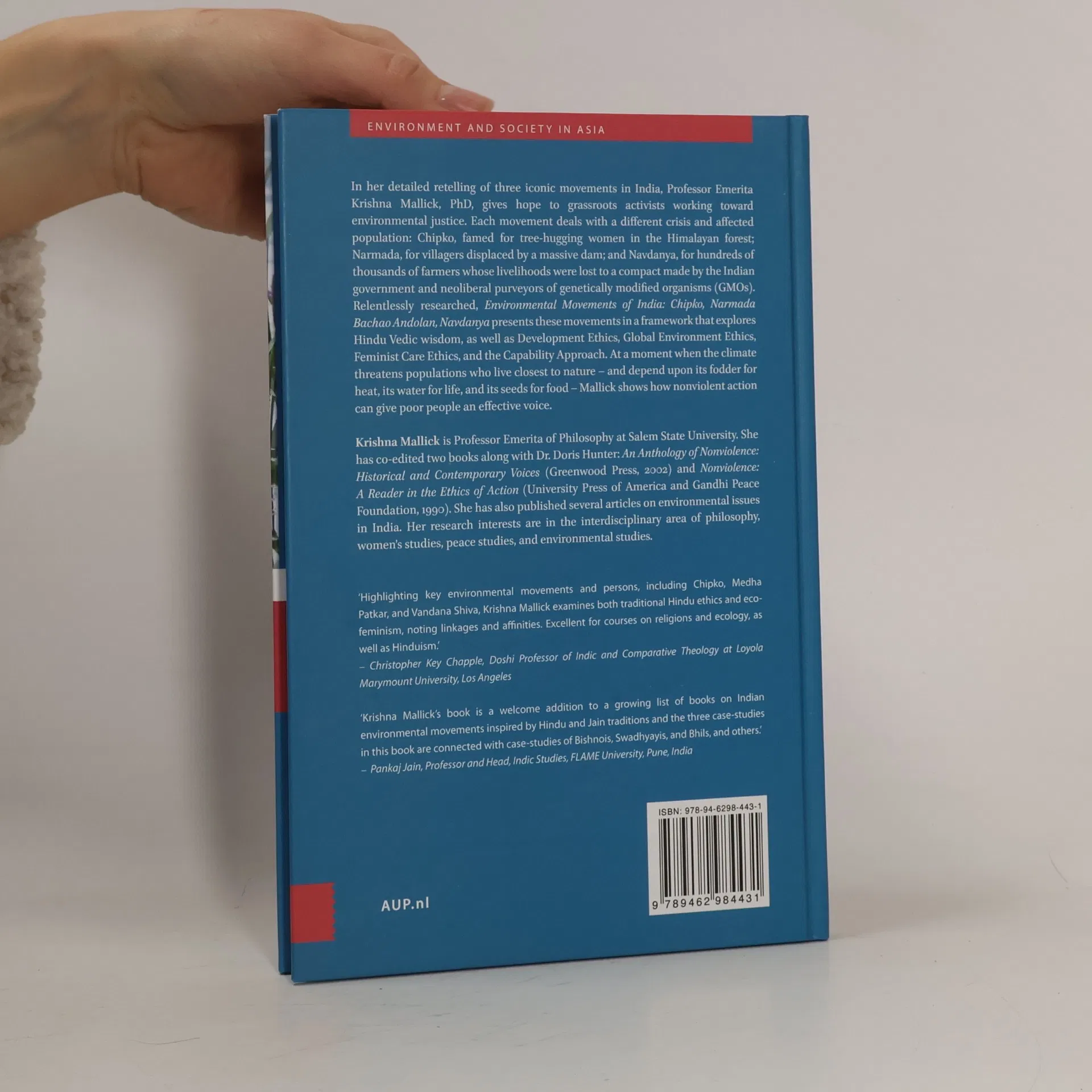
In her detailed retelling of three iconic movements in India, Professor Emerita Krishna Mallick, PhD, gives hope to grassroots activists working toward environmental justice. Each movement deals with a different crisis and affected population: Chipko, famed for tree-hugging women in the Himalayan forest; Narmada, for villagers displaced by a massive dam; and Navdanya, for hundreds of thousands of farmers whose livelihoods were lost to a compact made by the Indian government and neoliberal purveyors of genetically modified organisms (GMOs). Relentlessly researched, the book presents these movements in a framework that explores Hindu Vedic wisdom, as well as Development Ethics, Global Environment Ethics, Feminist Care Ethics, and the Capability Approach. At a moment when the climate threatens populations who live closest to nature--and depend upon its fodder for heat, its water for life, and its seeds for food--Mallick shows how nonviolent action can give poor people an effective voice.
Zakup książki
Environment and Society in Asia: Environmental Movements of India, Krishna Mallick
- Język

- Rok wydania
- 2021
- Oprawa
- (twarda),
- Stan książki
- Bardzo dobry
- Cena
- 441,79 zł
Metody płatności
Nikt jeszcze nie ocenił.
- Tytuł
- Environment and Society in Asia: Environmental Movements of India
- Podtytuł
- Chipko, Narmada Bachao Andolan, Navdanya
- Język
- angielski
- Autorzy
- Krishna Mallick
- Wydawca
- Amsterdam University Press
- Rok wydania
- 2021
- Oprawa
- twarda
- Liczba stron
- 190
- ISBN10
- 9462984433
- ISBN13
- 9789462984431
- Seria
- Kategorie
- Opis
- In her detailed retelling of three iconic movements in India, Professor Emerita Krishna Mallick, PhD, gives hope to grassroots activists working toward environmental justice. Each movement deals with a different crisis and affected population: Chipko, famed for tree-hugging women in the Himalayan forest; Narmada, for villagers displaced by a massive dam; and Navdanya, for hundreds of thousands of farmers whose livelihoods were lost to a compact made by the Indian government and neoliberal purveyors of genetically modified organisms (GMOs). Relentlessly researched, the book presents these movements in a framework that explores Hindu Vedic wisdom, as well as Development Ethics, Global Environment Ethics, Feminist Care Ethics, and the Capability Approach. At a moment when the climate threatens populations who live closest to nature--and depend upon its fodder for heat, its water for life, and its seeds for food--Mallick shows how nonviolent action can give poor people an effective voice.