


Parametry
Więcej o książce
Fin-de-siecle Vienna was a unique city where the decadence of the era met ominous predictions for the future. This vibrant artistic and intellectual hub was home to figures like Sigmund Freud, Gustav Mahler, and Arthur Schnitzler. In September 1897, Mark Twain arrived in this dynamic environment, prompted by his daughter Clara's musical studies. While many biographers mention Twain's time in Vienna, they often overlook its significance. Twain himself portrayed his twenty-month stay as uneventful, but Carl Dolmetsch reveals a different story. Twain found himself welcomed into Vienna’s celebrity culture, leading to a remarkable burst of creativity. Among the thirty works inspired by his visit are the Socratic dialogue What Is Man?, parts of his Autobiography, the short story "The Man That Corrupted Hadleyburg," and significant portions of The Mysterious Stranger. Dolmetsch challenges the notion that Twain's late writings reflect merely personal tragedies, arguing instead that his experiences in Vienna profoundly influenced his outlook and style. Through detailed research, Dolmetsch captures Twain's interactions with the Viennese press, his involvement in local arts, and his encounters with anti-Semitic journalists. The narrative also explores Twain's intriguing connection with Freud, highlighting their shared interest in dreams and reality. This work enriches Twain scholarship while offering a vivid glimpse into a bygone world.
Zakup książki
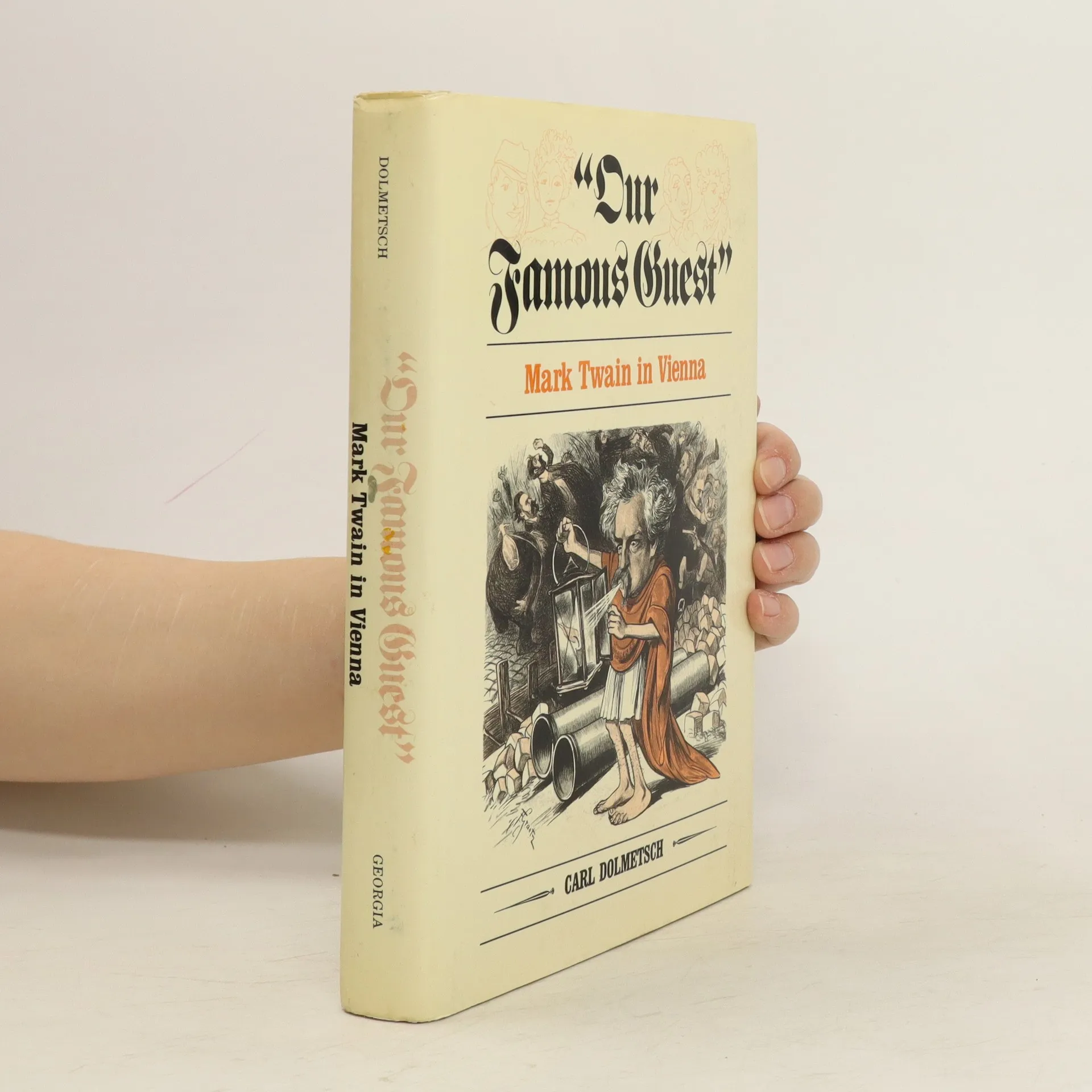
"Our famous guest", Carl Richard Dolmetsch
- Język

- Rok wydania
- 1992
- Oprawa
- (twarda)
Metody płatności
Brakuje nam tutaj Twojej recenzji.
- Tytuł
- "Our famous guest"
- Język
- angielski
- Autorzy
- Carl Richard Dolmetsch
- Wydawca
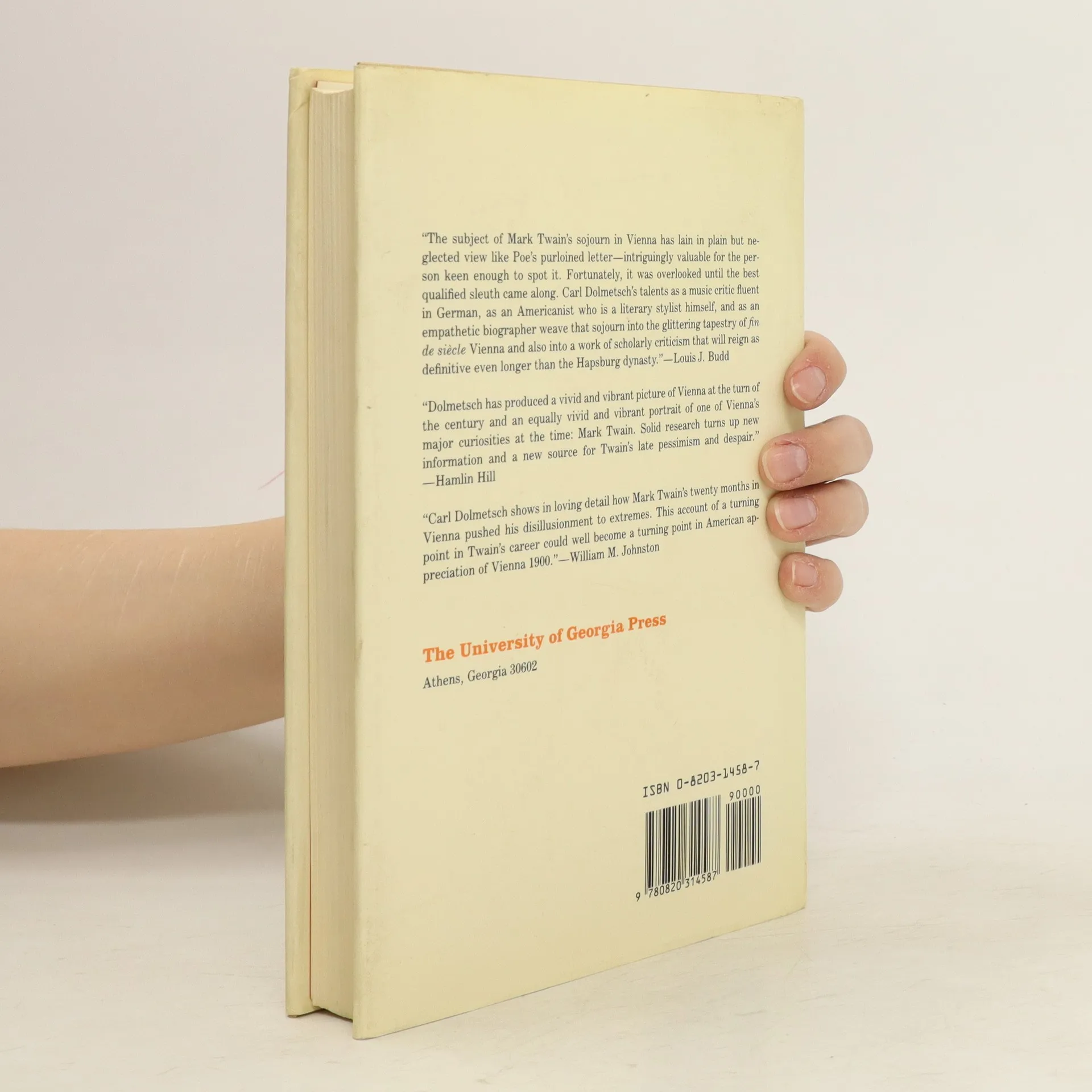
- Univ. of Georgia Press
- Rok wydania
- 1992
- Oprawa
- twarda
- ISBN10
- 0820314587
- ISBN13
- 9780820314587
- Seria
- Kategorie
- Ocena
- 4,2 z 5
- Opis
- Fin-de-siecle Vienna was a unique city where the decadence of the era met ominous predictions for the future. This vibrant artistic and intellectual hub was home to figures like Sigmund Freud, Gustav Mahler, and Arthur Schnitzler. In September 1897, Mark Twain arrived in this dynamic environment, prompted by his daughter Clara's musical studies. While many biographers mention Twain's time in Vienna, they often overlook its significance. Twain himself portrayed his twenty-month stay as uneventful, but Carl Dolmetsch reveals a different story. Twain found himself welcomed into Vienna’s celebrity culture, leading to a remarkable burst of creativity. Among the thirty works inspired by his visit are the Socratic dialogue What Is Man?, parts of his Autobiography, the short story "The Man That Corrupted Hadleyburg," and significant portions of The Mysterious Stranger. Dolmetsch challenges the notion that Twain's late writings reflect merely personal tragedies, arguing instead that his experiences in Vienna profoundly influenced his outlook and style. Through detailed research, Dolmetsch captures Twain's interactions with the Viennese press, his involvement in local arts, and his encounters with anti-Semitic journalists. The narrative also explores Twain's intriguing connection with Freud, highlighting their shared interest in dreams and reality. This work enriches Twain scholarship while offering a vivid glimpse into a bygone world.