



Parametry
Więcej o książce
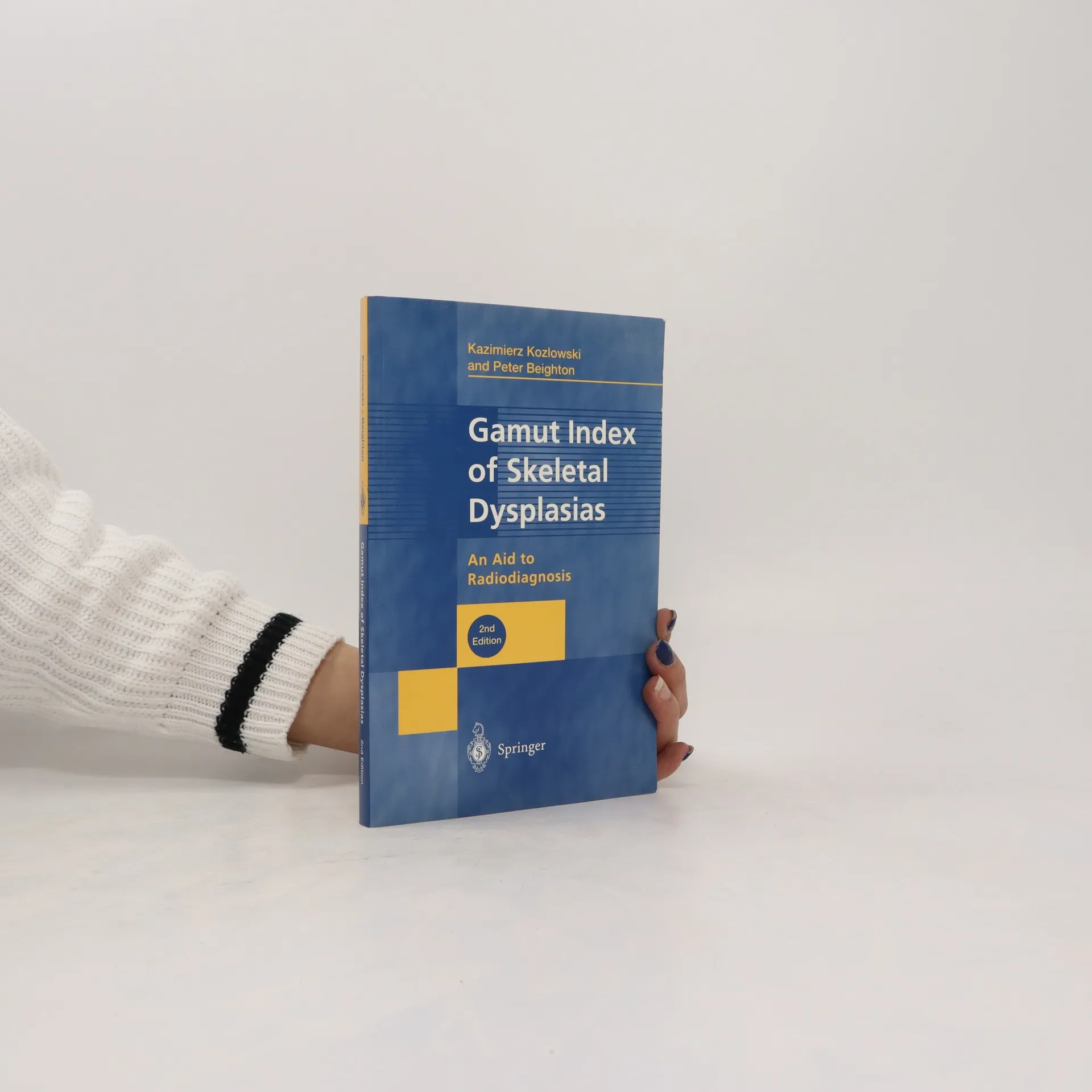
The first edition of this book offered a valuable guide through the complexities of skeletal dysplasia terminology and diagnosis. Over the past decade, numerous syndromes have been identified, terminology has evolved, and the aetiology of various conditions has been clarified. The terminology in this edition is aligned with the 1992 revision of the International Nomenclature, which is increasingly recognized in global literature, reducing previous confusion from varying usages. Readers will discover more than simple lists; abnormalities are meticulously categorized to facilitate logical exploration. The entries encompass several non-dysplastic conditions relevant to differential diagnosis, along with brief notes that assist in navigating challenging areas. These thoughtful features stem from extensive expertise in clinical contexts, distinguishing the content from computer databases. Additionally, the book includes summaries of dysplasias and syndromes, covering all conditions listed in the International Nomenclature and providing insights for confirming or ruling out diagnoses, along with suggestions for further reading. This new edition is poised to enhance the popularity of its predecessor significantly.
Zakup książki
Gamut index of skeletal dysplasias, Kazimierz Kozłowski
- Język

- Rok wydania
- 1995
- Oprawa
- (miękka)
Metody płatności
Nikt jeszcze nie ocenił.
- Tytuł
- Gamut index of skeletal dysplasias
- Język
- niemiecki
- Autorzy
- Kazimierz Kozłowski
- Wydawca
- Springer
- Rok wydania
- 1995
- Oprawa
- miękka
- ISBN10
- 3540199411
- ISBN13
- 9783540199410
- Seria
- Kategorie
- Opis
- The first edition of this book offered a valuable guide through the complexities of skeletal dysplasia terminology and diagnosis. Over the past decade, numerous syndromes have been identified, terminology has evolved, and the aetiology of various conditions has been clarified. The terminology in this edition is aligned with the 1992 revision of the International Nomenclature, which is increasingly recognized in global literature, reducing previous confusion from varying usages. Readers will discover more than simple lists; abnormalities are meticulously categorized to facilitate logical exploration. The entries encompass several non-dysplastic conditions relevant to differential diagnosis, along with brief notes that assist in navigating challenging areas. These thoughtful features stem from extensive expertise in clinical contexts, distinguishing the content from computer databases. Additionally, the book includes summaries of dysplasias and syndromes, covering all conditions listed in the International Nomenclature and providing insights for confirming or ruling out diagnoses, along with suggestions for further reading. This new edition is poised to enhance the popularity of its predecessor significantly.