

Więcej o książce
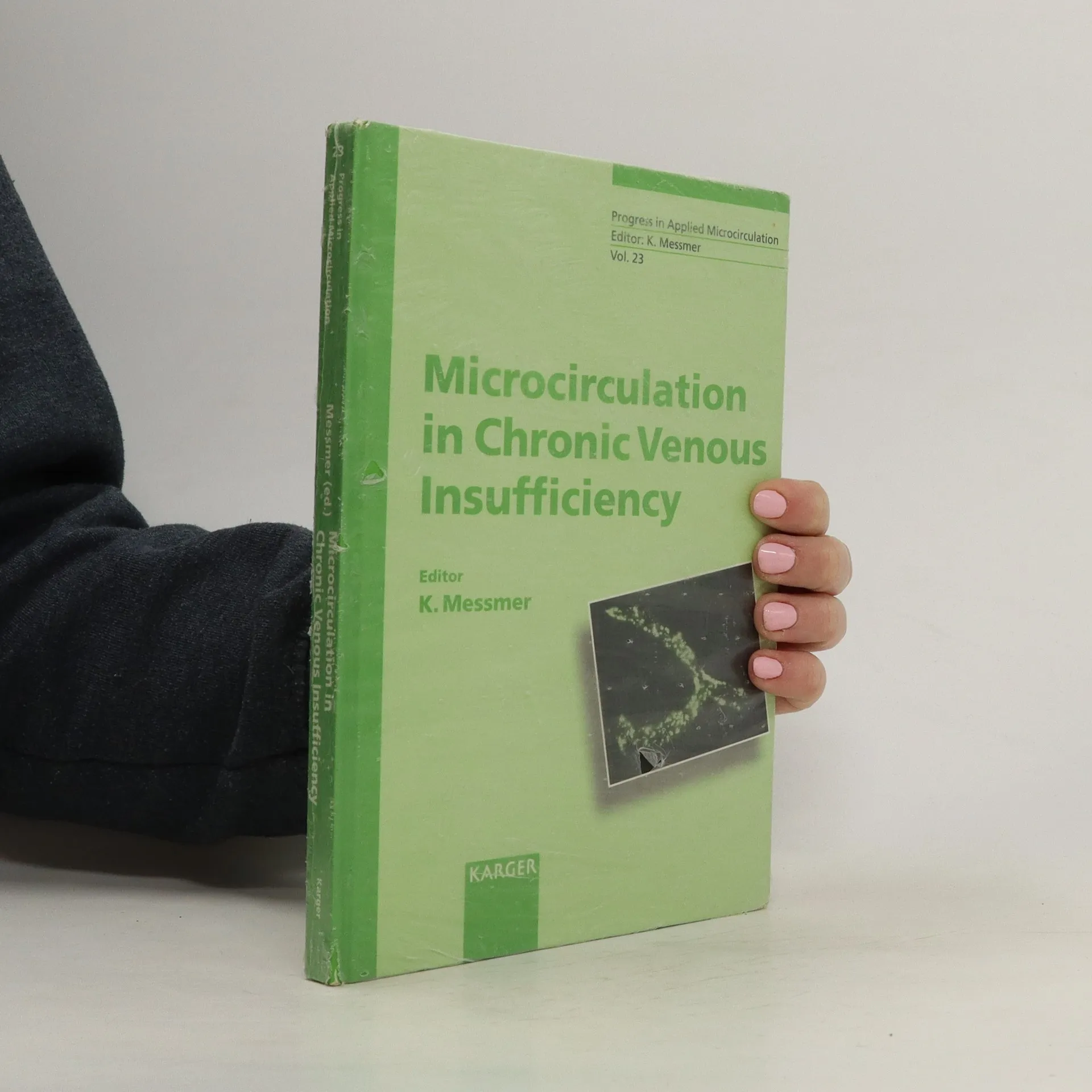
Compromised perfusion indicates the inability of the cardiovascular system to sustain the normal distribution of blood flow within the entire body and can be defined as a reduction of perfusion pressure leading to the exclusion of single capillaries or groups of capillaries. Occurring in patients subjected to shock, trauma, extensive surgery and organ transplantation, it reduces the surface area available for exchange of nutrients and metabolites with the consequence of tissue hypoxia and accumulation of waste products. To counteract compromised perfusion hypertonic/hyperoncotic saline/dextran solutions are used efficiently. This book presents an overview of the most recent findings from studies investigating compromised perfusion. The selected contributions discuss the mechanistic effects and side effects of small volume resuscitation, as well as specific effects of dextran in the field of organ conservation and post-ischemic leukocyte/endothelium interaction. Furthermore, specific aspects of the biology and pathophysiology of microvascular endothelium are considered. Providing a critical review of recent advances, this volume serves as an excellent source of information for all those interested in both clinical and experimental microcirculation research.
Zakup książki
Compromised Perfusion, K. Messmer
- Język

- Rok wydania
- 1996
- Oprawa
- (twarda)
Metody płatności
Nikt jeszcze nie ocenił.
- Tytuł
- Compromised Perfusion
- Język
- angielski
- Autorzy
- K. Messmer
- Wydawca
- Karger
- Rok wydania
- 1996
- Oprawa
- twarda
- Liczba stron
- 186
- ISBN10
- 380556225X
- ISBN13
- 9783805562256
- Seria
- Kategorie
- Opis
- Compromised perfusion indicates the inability of the cardiovascular system to sustain the normal distribution of blood flow within the entire body and can be defined as a reduction of perfusion pressure leading to the exclusion of single capillaries or groups of capillaries. Occurring in patients subjected to shock, trauma, extensive surgery and organ transplantation, it reduces the surface area available for exchange of nutrients and metabolites with the consequence of tissue hypoxia and accumulation of waste products. To counteract compromised perfusion hypertonic/hyperoncotic saline/dextran solutions are used efficiently. This book presents an overview of the most recent findings from studies investigating compromised perfusion. The selected contributions discuss the mechanistic effects and side effects of small volume resuscitation, as well as specific effects of dextran in the field of organ conservation and post-ischemic leukocyte/endothelium interaction. Furthermore, specific aspects of the biology and pathophysiology of microvascular endothelium are considered. Providing a critical review of recent advances, this volume serves as an excellent source of information for all those interested in both clinical and experimental microcirculation research.