



Parametry
Więcej o książce
Arterial hypertension, coronary heart disease, and heart failure are prevalent cardiovascular conditions that are closely interrelated, significantly impacting prognosis. Epidemiological studies highlight hypertension as a major risk factor for developing heart failure, with only 25% of patients receiving adequate management and 50% of cases remaining unrecognized or untreated. Patients with existing hypertension who experience an acute myocardial infarction often lack typical angina symptoms, resulting in larger infarct territories and a higher incidence of life-threatening arrhythmias, leading to worse in-hospital mortality and long-term outcomes. Elevated blood pressure post-infarction doubles the risk of heart failure. Given the interconnectedness of these conditions, selecting an appropriate therapeutic strategy is crucial. First-line agents with prognostic value across all three conditions should be prioritized, as their combined effects may yield additional benefits. Such therapeutic decision-making can also help prevent complications that may not yet be clinically evident, such as heart failure.
Zakup książki
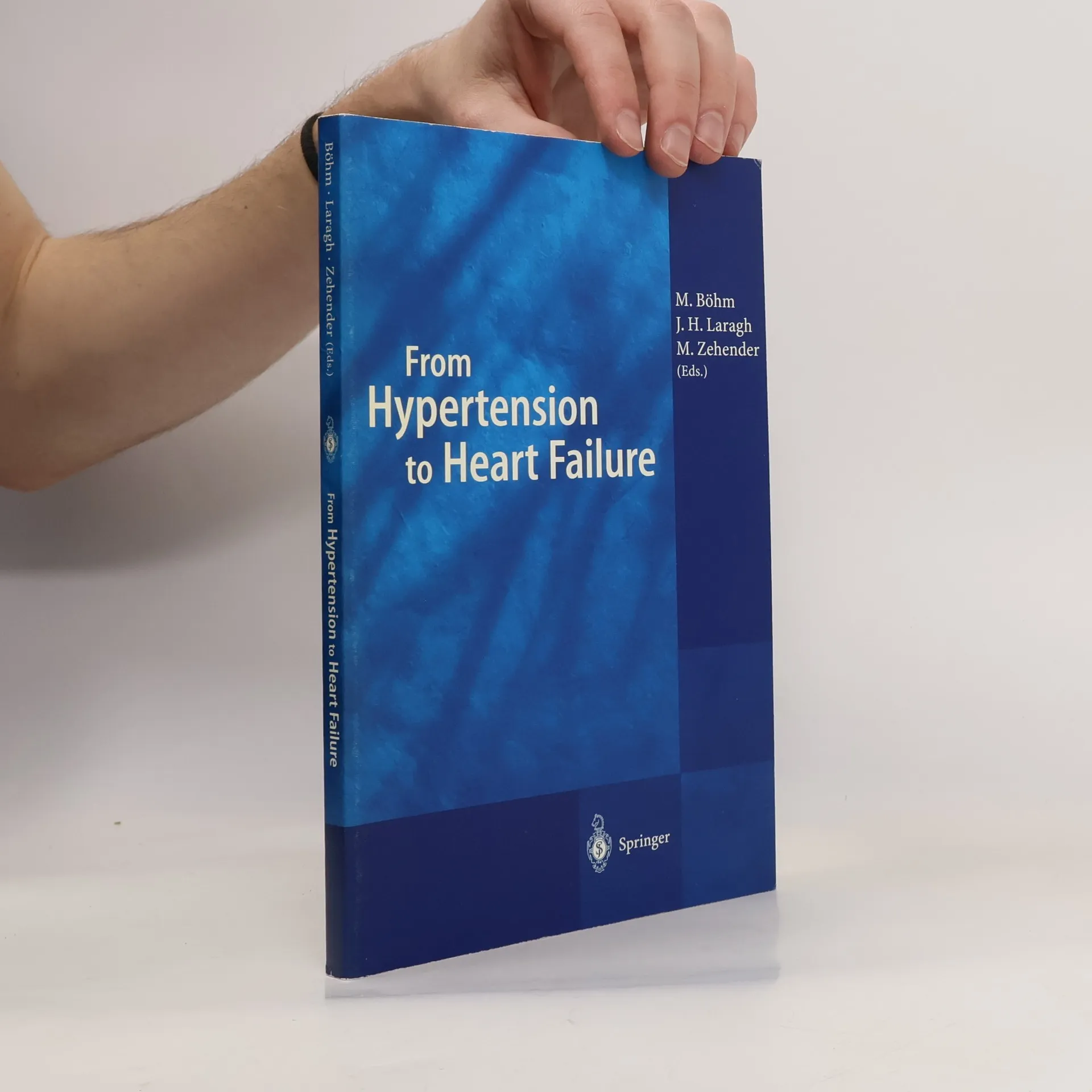
From hypertension to heart failure, Michael Böhm
- Język

- Rok wydania
- 1998
- Oprawa
- (miękka)
Metody płatności
Nikt jeszcze nie ocenił.
- Tytuł
- From hypertension to heart failure
- Język
- angielski
- Autorzy
- Michael Böhm
- Wydawca
- Springer
- Rok wydania
- 1998
- Oprawa
- miękka
- ISBN10
- 3540635424
- ISBN13
- 9783540635420
- Seria
- Kategorie
- Opis
- Arterial hypertension, coronary heart disease, and heart failure are prevalent cardiovascular conditions that are closely interrelated, significantly impacting prognosis. Epidemiological studies highlight hypertension as a major risk factor for developing heart failure, with only 25% of patients receiving adequate management and 50% of cases remaining unrecognized or untreated. Patients with existing hypertension who experience an acute myocardial infarction often lack typical angina symptoms, resulting in larger infarct territories and a higher incidence of life-threatening arrhythmias, leading to worse in-hospital mortality and long-term outcomes. Elevated blood pressure post-infarction doubles the risk of heart failure. Given the interconnectedness of these conditions, selecting an appropriate therapeutic strategy is crucial. First-line agents with prognostic value across all three conditions should be prioritized, as their combined effects may yield additional benefits. Such therapeutic decision-making can also help prevent complications that may not yet be clinically evident, such as heart failure.