


Więcej o książce
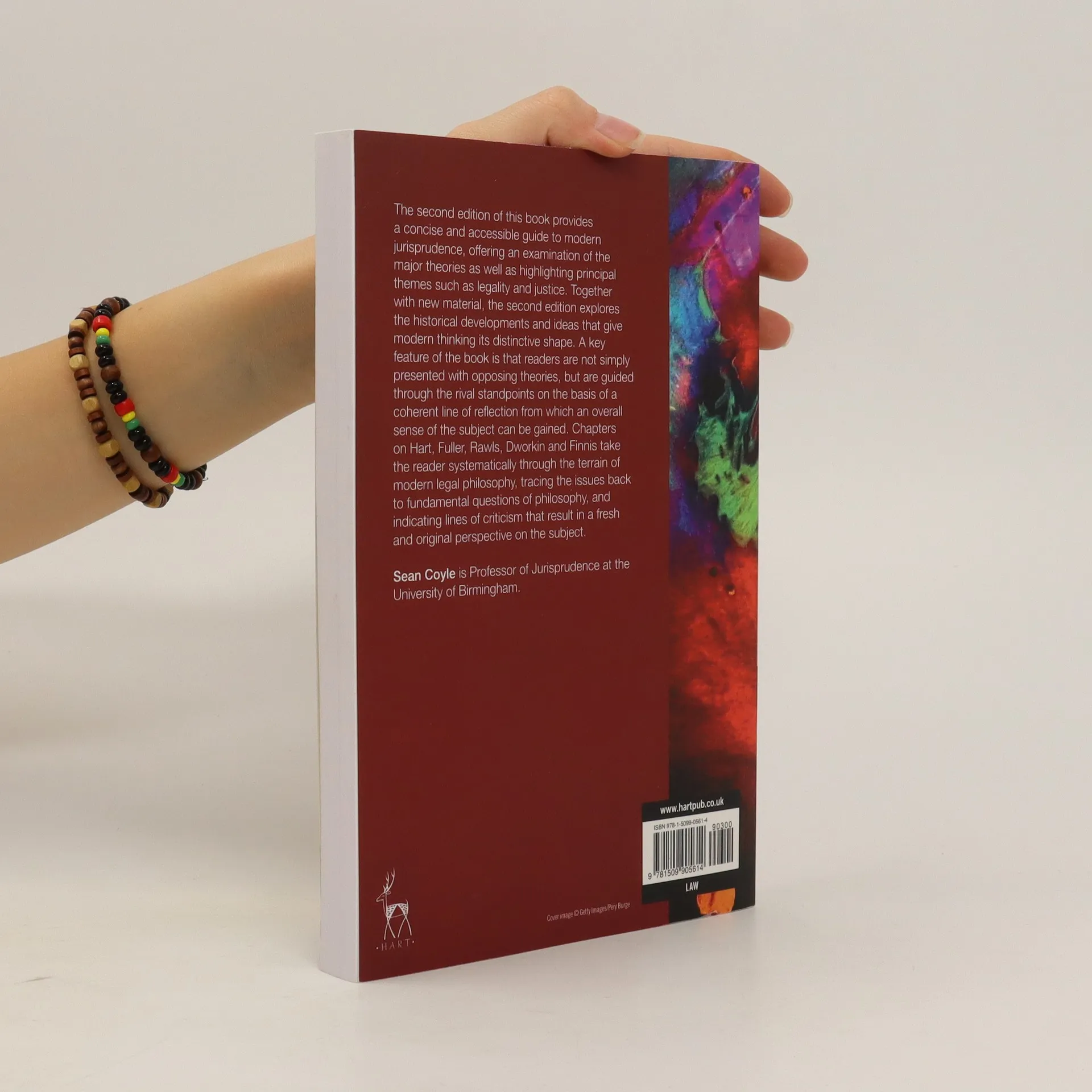
The second edition of this book provides a concise and accessible guide to modern jurisprudence, offering an examination of the major theories as well as highlighting principal themes such as legality and justice. Together with new material, the second edition explores the historical developments and ideas that give modern thinking its distinctive shape. A key feature of the book is that readers are not simply presented with opposing theories, but are guided through the rival standpoints on the basis of a coherent line of reflection from which an overall sense of the subject can be gained. Chapters on Hart, Fuller, Rawls, Dworkin and Finnis take the reader systematically through the terrain of modern legal philosophy, tracing the issues back to fundamental questions of philosophy, and indicating lines of criticism that result in a fresh and original perspective on the subject.
Zakup książki
Modern Jurisprudence. A Philosophical Guide, Sean Coyle
- Język

- Rok wydania
- 2021
- Oprawa
- (miękka)
Metody płatności
Brakuje nam tutaj Twojej recenzji.
- Tytuł
- Modern Jurisprudence. A Philosophical Guide
- Język
- angielski
- Autorzy
- Sean Coyle
- Wydawca
- Hart Publishing
- Rok wydania
- 2021
- Oprawa
- miękka
- Liczba stron
- 288
- ISBN10
- 1509905618
- ISBN13
- 9781509905614
- Seria
- Ocena
- 1,5 z 5
- Opis
- The second edition of this book provides a concise and accessible guide to modern jurisprudence, offering an examination of the major theories as well as highlighting principal themes such as legality and justice. Together with new material, the second edition explores the historical developments and ideas that give modern thinking its distinctive shape. A key feature of the book is that readers are not simply presented with opposing theories, but are guided through the rival standpoints on the basis of a coherent line of reflection from which an overall sense of the subject can be gained. Chapters on Hart, Fuller, Rawls, Dworkin and Finnis take the reader systematically through the terrain of modern legal philosophy, tracing the issues back to fundamental questions of philosophy, and indicating lines of criticism that result in a fresh and original perspective on the subject.