




Więcej o książce
Can libertarians care about social justice? John Tomasi argues that they can and should. Drawing on moral insights from advocates of economic liberty like F.A. Hayek and social justice proponents such as John Rawls, he presents a new theory of liberal justice called free market fairness. This theory champions both limited government and the material betterment of the poor. Unlike traditional libertarians, Tomasi defends property rights not through self-ownership or economic efficiency but as essential for democratic legitimacy. He also urges egalitarians to consider the importance of private economic liberty in the lives of ordinary citizens. Instead of the typical social democratic views on social justice, Tomasi proposes a 'market democratic' conception: free market fairness. He contends that this approach, balancing economic liberty with fair distribution of goods and opportunities, provides a morally superior account of liberal justice. Free market fairness is presented as a distinctively American ideal, linking the protection of property with the promotion of real opportunity. According to Tomasi, this concept embodies social justice in an American context. Provocative and rigorously argued, the work challenges conventional thinking about politics, economics, and justice, appealing to readers across the political spectrum.
Zakup książki
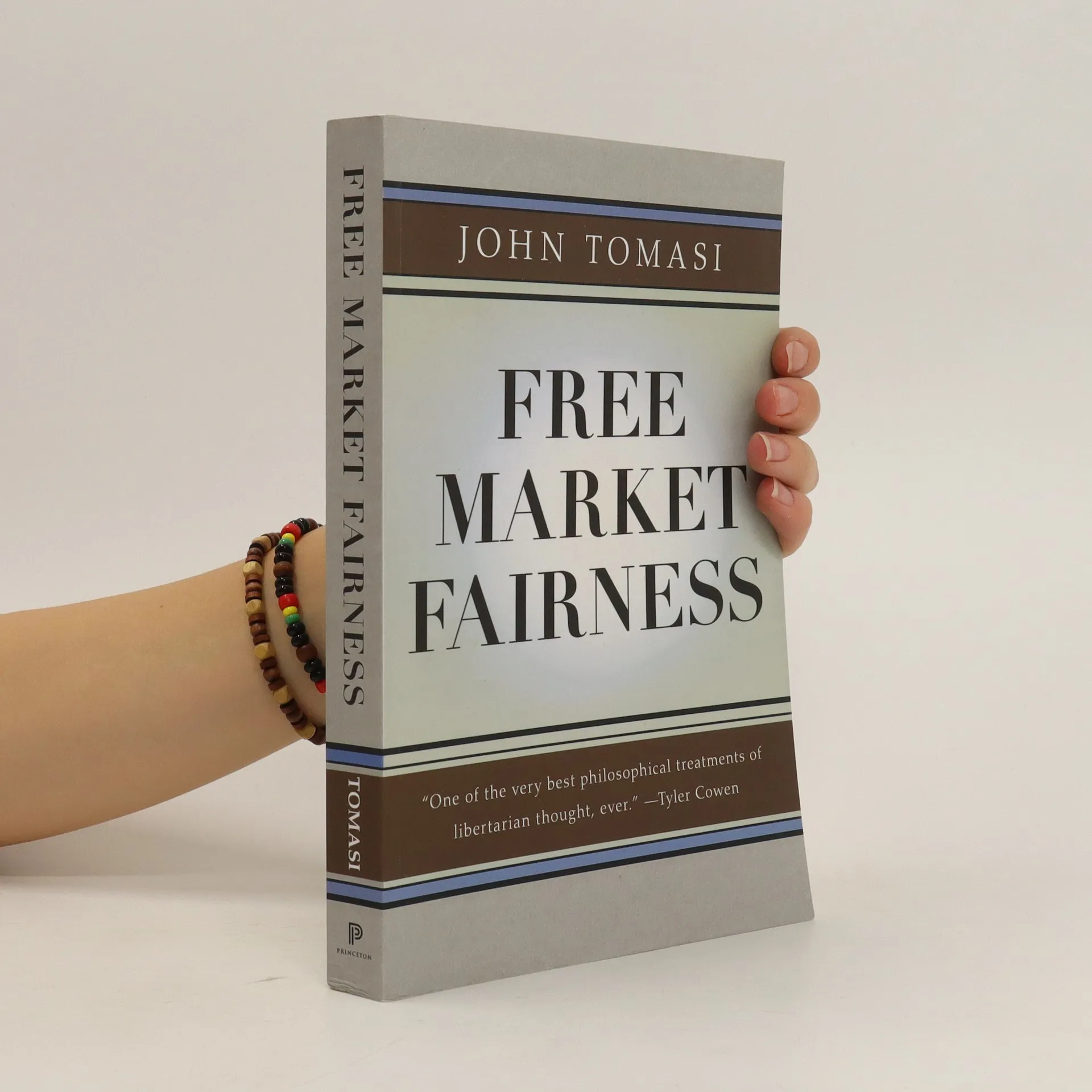
Free Market Fairness, John Tomasi
- Język

- Rok wydania
- 2013
- Oprawa
- (miękka)
Metody płatności
Brakuje nam tutaj Twojej recenzji.
- Tytuł
- Free Market Fairness
- Język
- angielski
- Autorzy
- John Tomasi
- Wydawca
- Princeton University Press
- Rok wydania
- 2013
- Oprawa
- miękka
- Liczba stron
- 384
- ISBN10
- 0691158142
- ISBN13
- 9780691158143
- Seria
- Kategorie
- Ocena
- 3,8 z 5
- Opis
- Can libertarians care about social justice? John Tomasi argues that they can and should. Drawing on moral insights from advocates of economic liberty like F.A. Hayek and social justice proponents such as John Rawls, he presents a new theory of liberal justice called free market fairness. This theory champions both limited government and the material betterment of the poor. Unlike traditional libertarians, Tomasi defends property rights not through self-ownership or economic efficiency but as essential for democratic legitimacy. He also urges egalitarians to consider the importance of private economic liberty in the lives of ordinary citizens. Instead of the typical social democratic views on social justice, Tomasi proposes a 'market democratic' conception: free market fairness. He contends that this approach, balancing economic liberty with fair distribution of goods and opportunities, provides a morally superior account of liberal justice. Free market fairness is presented as a distinctively American ideal, linking the protection of property with the promotion of real opportunity. According to Tomasi, this concept embodies social justice in an American context. Provocative and rigorously argued, the work challenges conventional thinking about politics, economics, and justice, appealing to readers across the political spectrum.