

Parametry
Więcej o książce
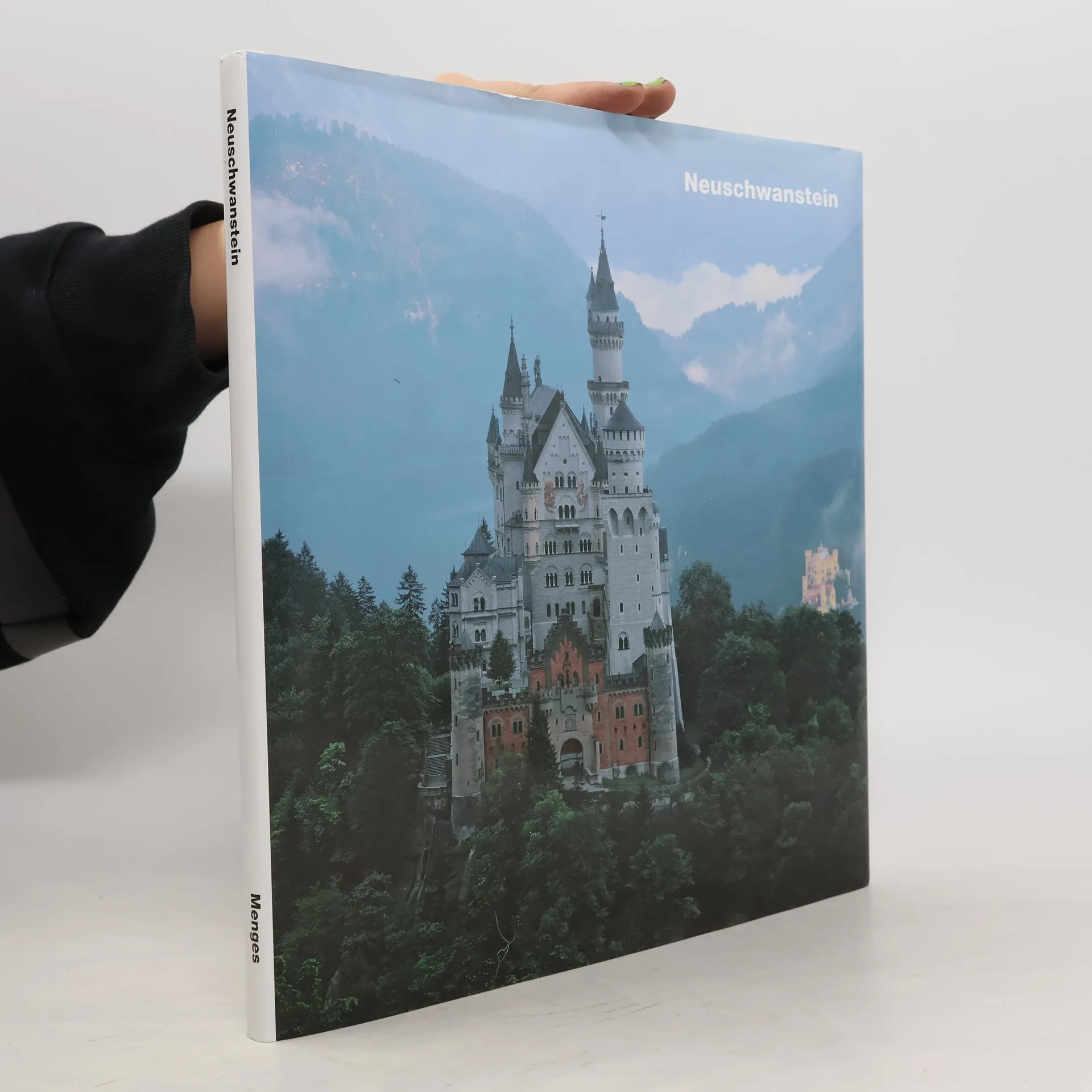
One and a half million visitors per year can’t be wrong. For them, the royal castle at Neuschwanstein represents the pinnacle of architectural fairy-tales. However, for those educated in architecture and Modernism, this stylistically crude monument to a prince’s whim is often seen as annoying. Regardless of personal biases, this romantic recreation of a medieval castle, set against a breathtaking landscape, stands as one of the most striking examples of European Historicism. Neuschwanstein uniquely integrates natural surroundings and landscape tectonics to create a compelling architectural effect. King Ludwig II infused historical forms with existential meaning, believing he could revive the spirit of knightly chivalry through construction. This approach liberated architecture from its traditional functions, transforming it into a theatrical setting that ventured into the realm of fairy-tales. Ludwig's retreat from reality symbolizes an isolated royal dreamer seeking to infuse meaning into his anachronistic existence through fiction and a glorious past. Gottfried Knapp, a cultural editor for the Süddeutsche Zeitung, has extensively covered contemporary architecture, while Achim Bunz, an architectural photographer with two decades of experience, has contributed to numerous publications, including works on Ludwig II's castles.
Zakup książki
Neuschwanstein, Gottfried Knapp
- Język

- Rok wydania
- 1999
- Oprawa
- (twarda)
Metody płatności
Brakuje nam tutaj Twojej recenzji.
- Tytuł
- Neuschwanstein
- Język
- angielski
- Autorzy
- Gottfried Knapp
- Wydawca
- Ed. Menges
- Rok wydania
- 1999
- Oprawa
- twarda
- ISBN10
- 3930698331
- ISBN13
- 9783930698332
- Seria
- Tagi
- Architektura
- Ocena
- 4 z 5
- Opis
- One and a half million visitors per year can’t be wrong. For them, the royal castle at Neuschwanstein represents the pinnacle of architectural fairy-tales. However, for those educated in architecture and Modernism, this stylistically crude monument to a prince’s whim is often seen as annoying. Regardless of personal biases, this romantic recreation of a medieval castle, set against a breathtaking landscape, stands as one of the most striking examples of European Historicism. Neuschwanstein uniquely integrates natural surroundings and landscape tectonics to create a compelling architectural effect. King Ludwig II infused historical forms with existential meaning, believing he could revive the spirit of knightly chivalry through construction. This approach liberated architecture from its traditional functions, transforming it into a theatrical setting that ventured into the realm of fairy-tales. Ludwig's retreat from reality symbolizes an isolated royal dreamer seeking to infuse meaning into his anachronistic existence through fiction and a glorious past. Gottfried Knapp, a cultural editor for the Süddeutsche Zeitung, has extensively covered contemporary architecture, while Achim Bunz, an architectural photographer with two decades of experience, has contributed to numerous publications, including works on Ludwig II's castles.