



Więcej o książce
The text explores various interconnected themes related to population growth, life sciences, and globalization. It discusses the chemistry found in nature and technology, emphasizing the significance of water, minerals, and nutrients. Key biochemical processes are examined, including the transformation from nitrogen to amino acids and proteins, the role of phosphoric acid and phosphates in metabolism, and the biochemical importance of sulfur and its compounds. The annotation also covers topics like fertilizers, energy sources, and essential organic chemistry products. It highlights hydrogenation, digestion, and glycosylation as factors influencing human aging. Additionally, it addresses concepts such as population density, material density, and energy density, along with the roles of fats, oils, vitamins, enzymes, and hormones in biological systems. Conservation efforts, biotechnological products like citric acid, sweeteners, and crop protection are also mentioned. Finally, the text touches on the resources needed for basic nutrients and the body's systems for providing and disposing of substances, concluding with a discussion on the nature of drugs.
Zakup książki
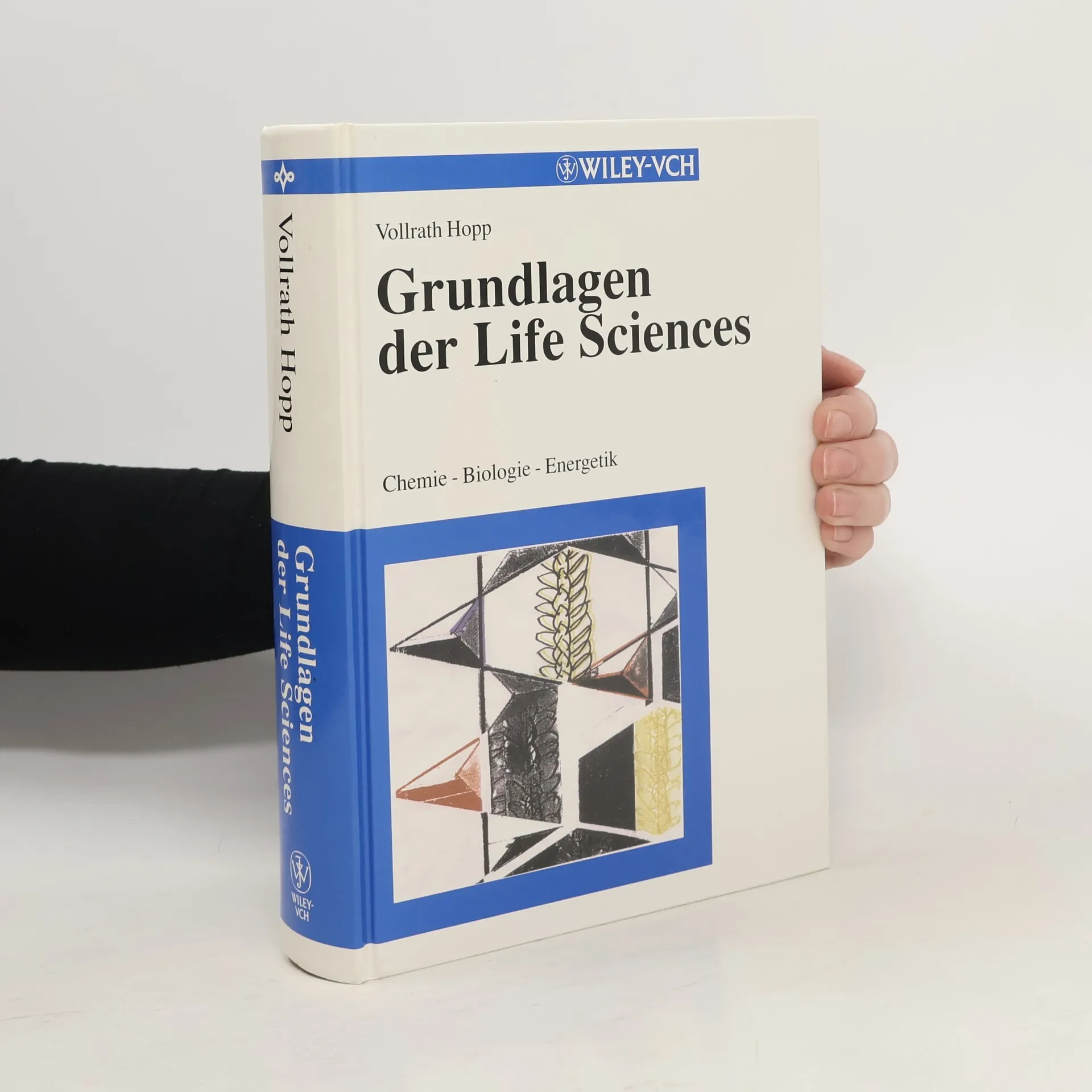
Grundlagen der life sciences, Vollrath Hopp
- Język

- Rok wydania
- 2000
- Oprawa
- (twarda)
Metody płatności
Nikt jeszcze nie ocenił.
- Tytuł
- Grundlagen der life sciences
- Język
- niemiecki
- Autorzy
- Vollrath Hopp
- Wydawca
- Wiley-VCH
- Rok wydania
- 2000
- Oprawa
- twarda
- Liczba stron
- 766
- ISBN10
- 3527295607
- ISBN13
- 9783527295609
- Seria
- Opis
- The text explores various interconnected themes related to population growth, life sciences, and globalization. It discusses the chemistry found in nature and technology, emphasizing the significance of water, minerals, and nutrients. Key biochemical processes are examined, including the transformation from nitrogen to amino acids and proteins, the role of phosphoric acid and phosphates in metabolism, and the biochemical importance of sulfur and its compounds. The annotation also covers topics like fertilizers, energy sources, and essential organic chemistry products. It highlights hydrogenation, digestion, and glycosylation as factors influencing human aging. Additionally, it addresses concepts such as population density, material density, and energy density, along with the roles of fats, oils, vitamins, enzymes, and hormones in biological systems. Conservation efforts, biotechnological products like citric acid, sweeteners, and crop protection are also mentioned. Finally, the text touches on the resources needed for basic nutrients and the body's systems for providing and disposing of substances, concluding with a discussion on the nature of drugs.