



Więcej o książce
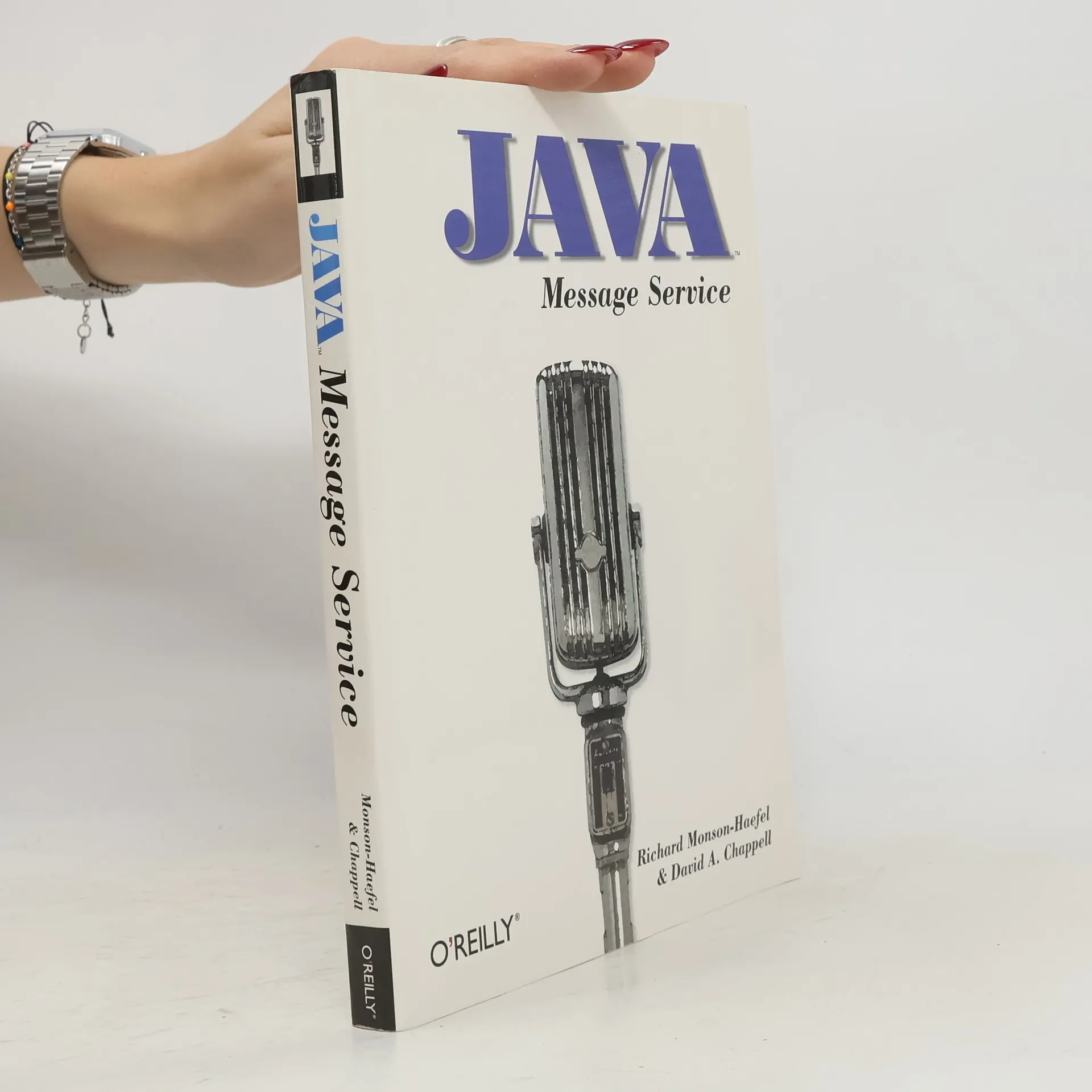
This book offers a comprehensive introduction to Java Message Service (JMS), the standard API from Sun Microsystems that facilitates messaging between computers in a network. JMS provides a unified interface to various messaging protocols and services, enabling Java programs to exchange essential data, such as event notifications and service requests, rather than direct user communication. It is particularly useful for coordinating applications across different systems or programming languages. With the JMS interface, programmers can access messaging services from vendors like IBM's MQSeries and Progress Software's SonicMQ. JMS supports messages containing serialized Java objects and XML pages, promoting a powerful paradigm that allows for the decoupling of enterprise application components. Messaging clients send messages to a server responsible for delivering them asynchronously, enabling continued client operation without waiting for delivery. The book demonstrates how to build applications using point-to-point and publish-and-subscribe models, utilize features like transactions and durable subscriptions for reliability, and implement messaging within Enterprise JavaBeans (EJB). It also introduces the MessageDrivenBean, a new EJB type in EJB 2.0, and explores the integration of messaging into J2EE, providing a solid foundation for developers looking to leverage JMS in their applications.
Zakup książki
Java message service, Richard Monson Haefel
- Język

- Rok wydania
- 2001
- Oprawa
- (miękka)
Metody płatności
Brakuje nam tutaj Twojej recenzji.
- Tytuł
- Java message service
- Język
- angielski
- Autorzy
- Richard Monson Haefel
- Wydawca
- O'Reilly
- Rok wydania
- 2001
- Oprawa
- miękka
- Liczba stron
- 238
- ISBN10
- 0596000685
- ISBN13
- 9780596000684
- Seria
- Ocena
- 3,25 z 5
- Opis
- This book offers a comprehensive introduction to Java Message Service (JMS), the standard API from Sun Microsystems that facilitates messaging between computers in a network. JMS provides a unified interface to various messaging protocols and services, enabling Java programs to exchange essential data, such as event notifications and service requests, rather than direct user communication. It is particularly useful for coordinating applications across different systems or programming languages. With the JMS interface, programmers can access messaging services from vendors like IBM's MQSeries and Progress Software's SonicMQ. JMS supports messages containing serialized Java objects and XML pages, promoting a powerful paradigm that allows for the decoupling of enterprise application components. Messaging clients send messages to a server responsible for delivering them asynchronously, enabling continued client operation without waiting for delivery. The book demonstrates how to build applications using point-to-point and publish-and-subscribe models, utilize features like transactions and durable subscriptions for reliability, and implement messaging within Enterprise JavaBeans (EJB). It also introduces the MessageDrivenBean, a new EJB type in EJB 2.0, and explores the integration of messaging into J2EE, providing a solid foundation for developers looking to leverage JMS in their applications.