

Więcej o książce
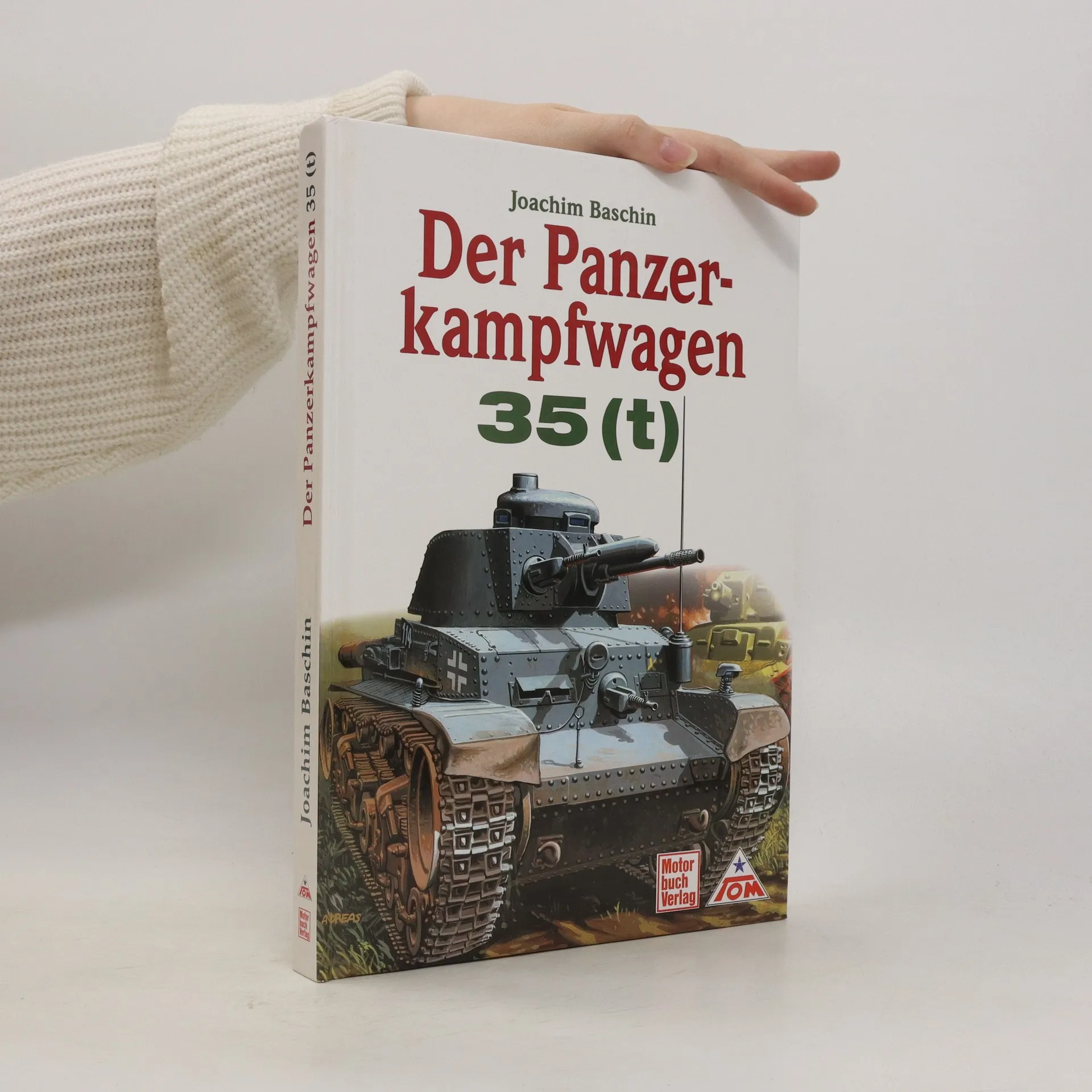
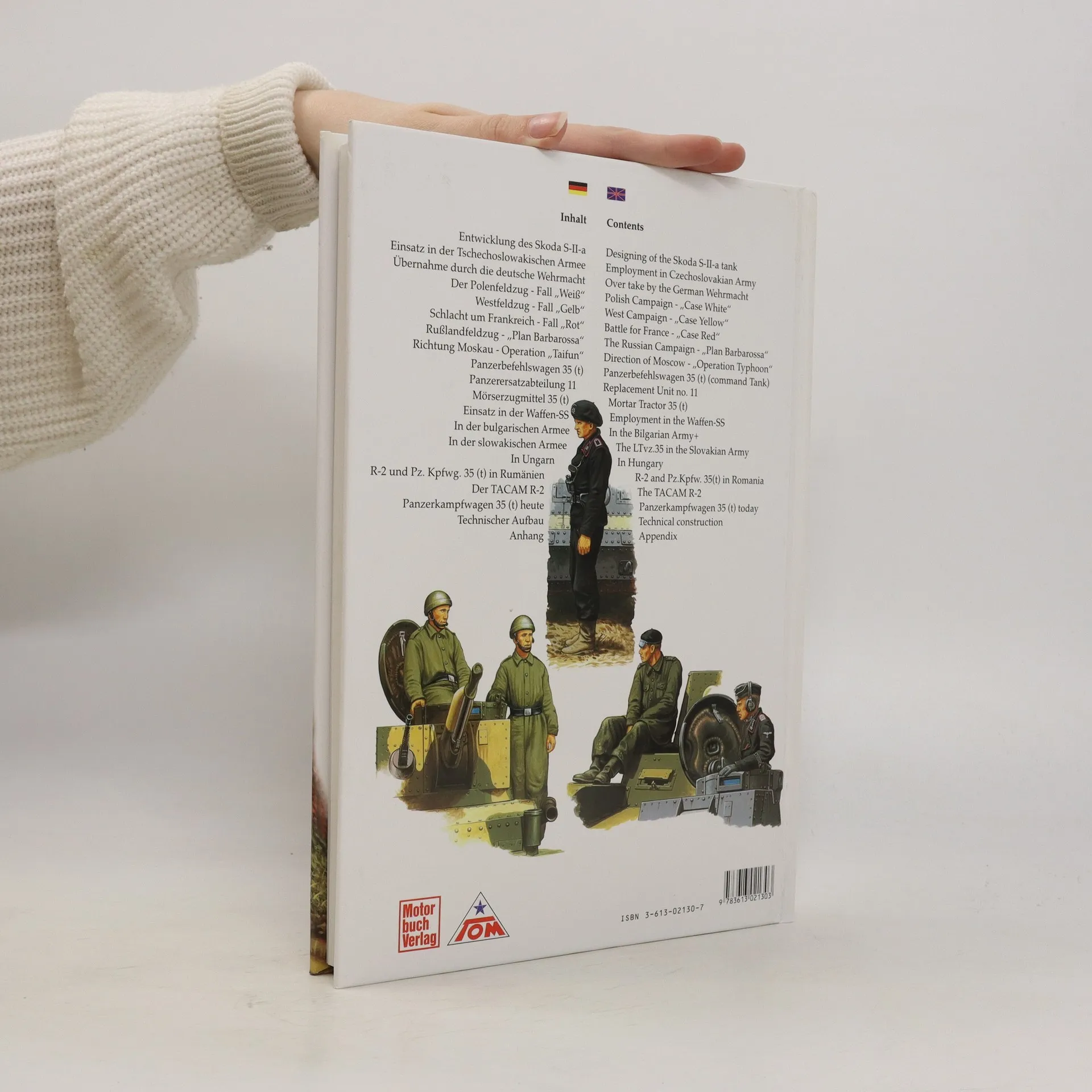
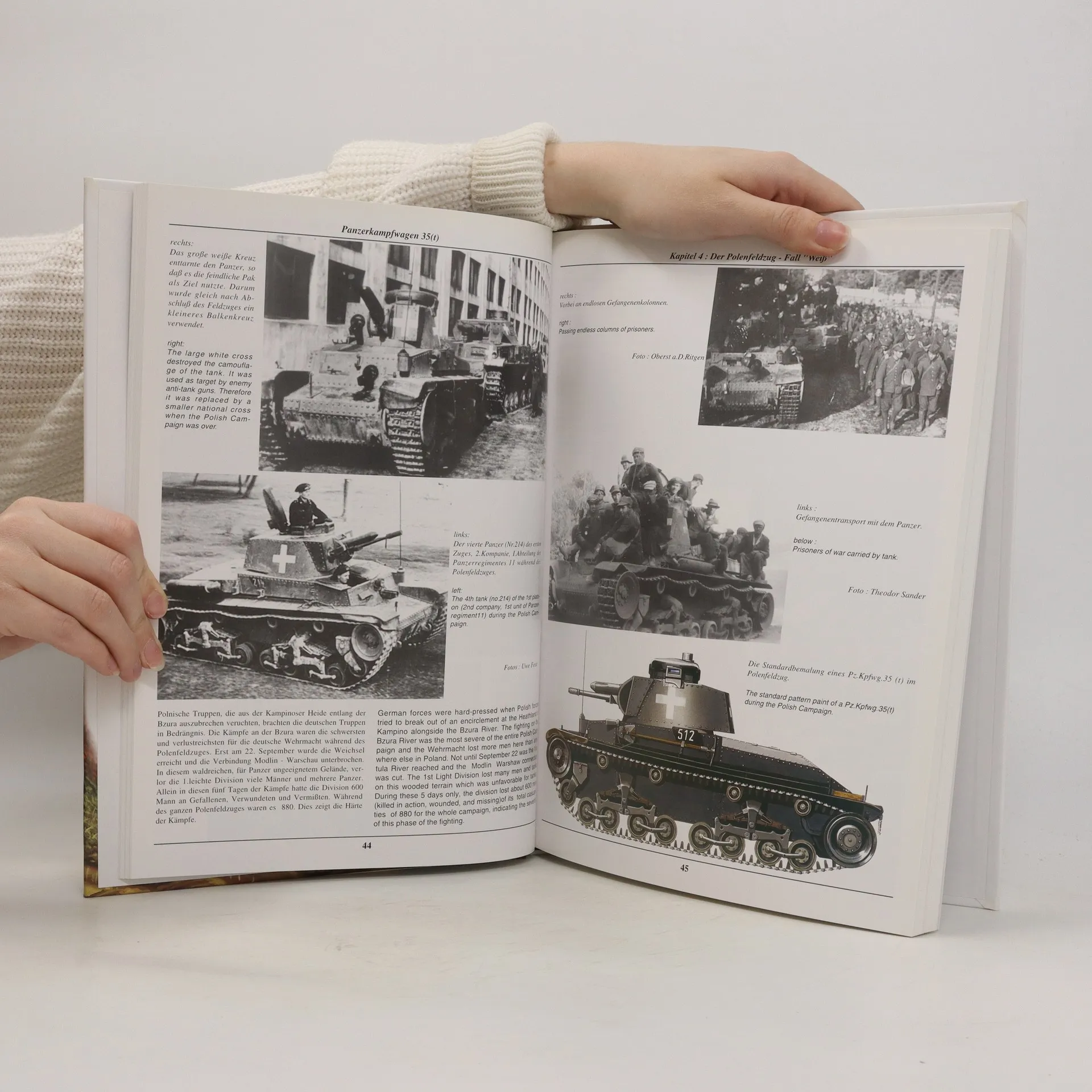
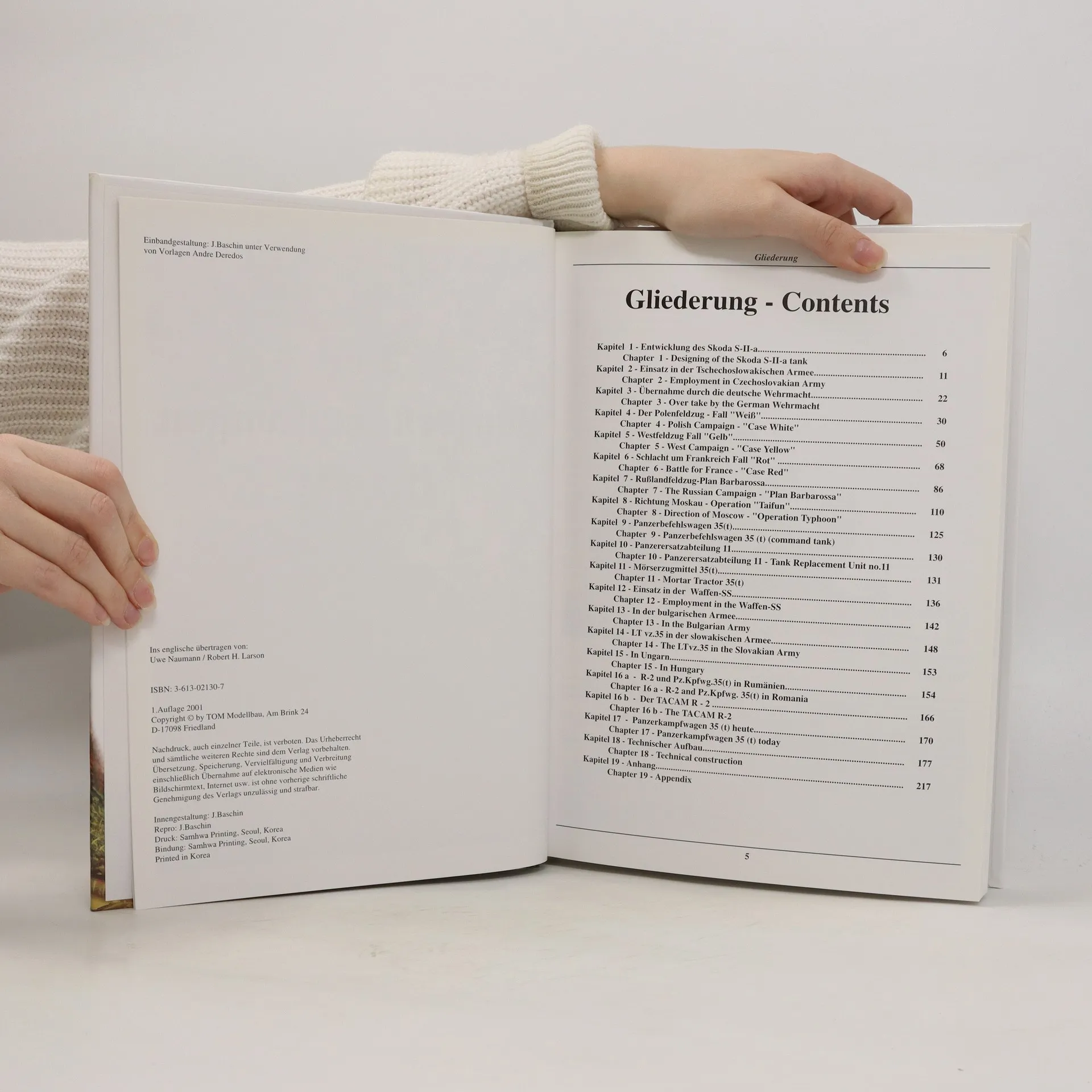
The Panzerkampfwagen 35 (t) was not a German development, but was made in the Czech Skoda works in Pilsen. Nevertheless, the Wehrmacht equipped a complete armored division with this booty vehicle that was used in Poland, France and Russia. However, Romanian, Bulgarian, Slovak and Hungarian units were equipped with the vehicle. Even the British Army had shown interest and e of the 30's 200 tanks at Skoda ordered, but could not be delivered. This equipped with around 440 illustrations documentation now presents the production, use and the different variants of Panzerkampfwagen 35 (t) to the details, as he served in six armies under various names. Numerous line drawings, 60 color images as well as some 380 contemporary photographs, many published for the first time, make the work an indispensable manual for anyone who is interested in the development of European armor. And another The book is bilingual, ie the German liner notes is basically an English translation opposite.
Zakup książki
Der Panzerkampfwagen 35 (t), Joachim Baschin
- Język

- Rok wydania
- 2001
- Oprawa
- (twarda)
Metody płatności
Nikt jeszcze nie ocenił.
- Tytuł
- Der Panzerkampfwagen 35 (t)
- Język
- angielski
- Autorzy
- Joachim Baschin
- Wydawca
- Motorbuch-Verl.
- Rok wydania
- 2001
- Oprawa
- twarda
- Liczba stron
- 220
- ISBN10
- 3613021307
- ISBN13
- 9783613021303
- Seria
- Tagi
- Opis
- The Panzerkampfwagen 35 (t) was not a German development, but was made in the Czech Skoda works in Pilsen. Nevertheless, the Wehrmacht equipped a complete armored division with this booty vehicle that was used in Poland, France and Russia. However, Romanian, Bulgarian, Slovak and Hungarian units were equipped with the vehicle. Even the British Army had shown interest and e of the 30's 200 tanks at Skoda ordered, but could not be delivered. This equipped with around 440 illustrations documentation now presents the production, use and the different variants of Panzerkampfwagen 35 (t) to the details, as he served in six armies under various names. Numerous line drawings, 60 color images as well as some 380 contemporary photographs, many published for the first time, make the work an indispensable manual for anyone who is interested in the development of European armor. And another The book is bilingual, ie the German liner notes is basically an English translation opposite.