


Więcej o książce
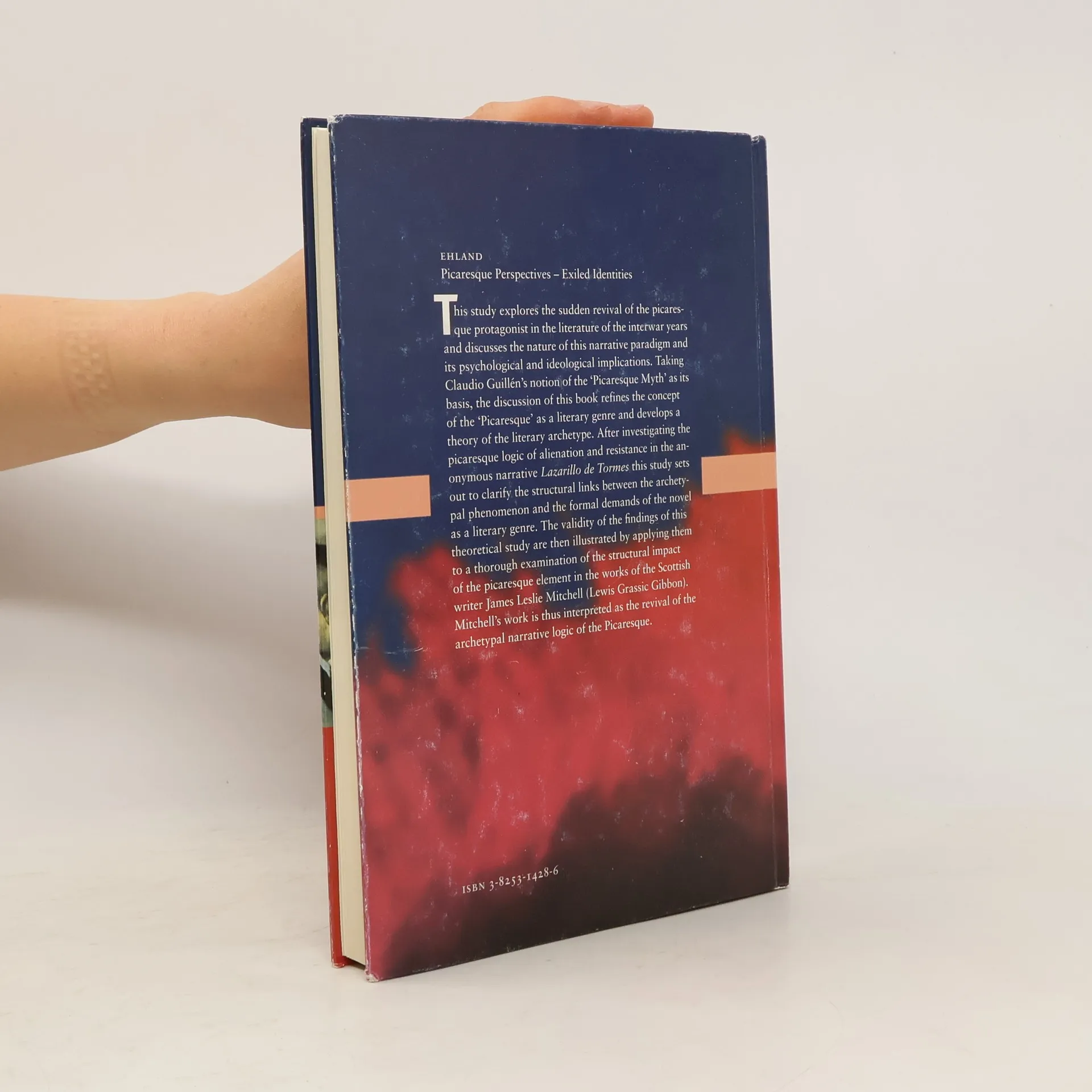
This study explores the sudden revival of the picaresque protagonist in the literature of the interwar years and discusses the nature of this narrative paradigm and its psychological and ideological implications. Taking Claudio Guillén's notion of the 'Picaresque Myth' as its basis, the discussion of this book refines the concept of the 'Picaresque' as a literary genre and develops a theory of the literary archetype. After investigating the picaresque logic of alienation and resistance in the anonymous narrative Lazarillo de Tormes this study sets out to clarify the structural links between the archetypal phenomenon and the formal demands of the novel as a literary genre. The validity of the findings of this theoretical study are then illustrated by applying them to a thorough examination of the structural impact of the picaresque element in the works of the Scottish writer James Leslie Mitchell (Lewis Grassic Gibbon). Mitchell's work is thus interpreted as the revival of the archetypal narrative logic of the Picaresque.
Zakup książki
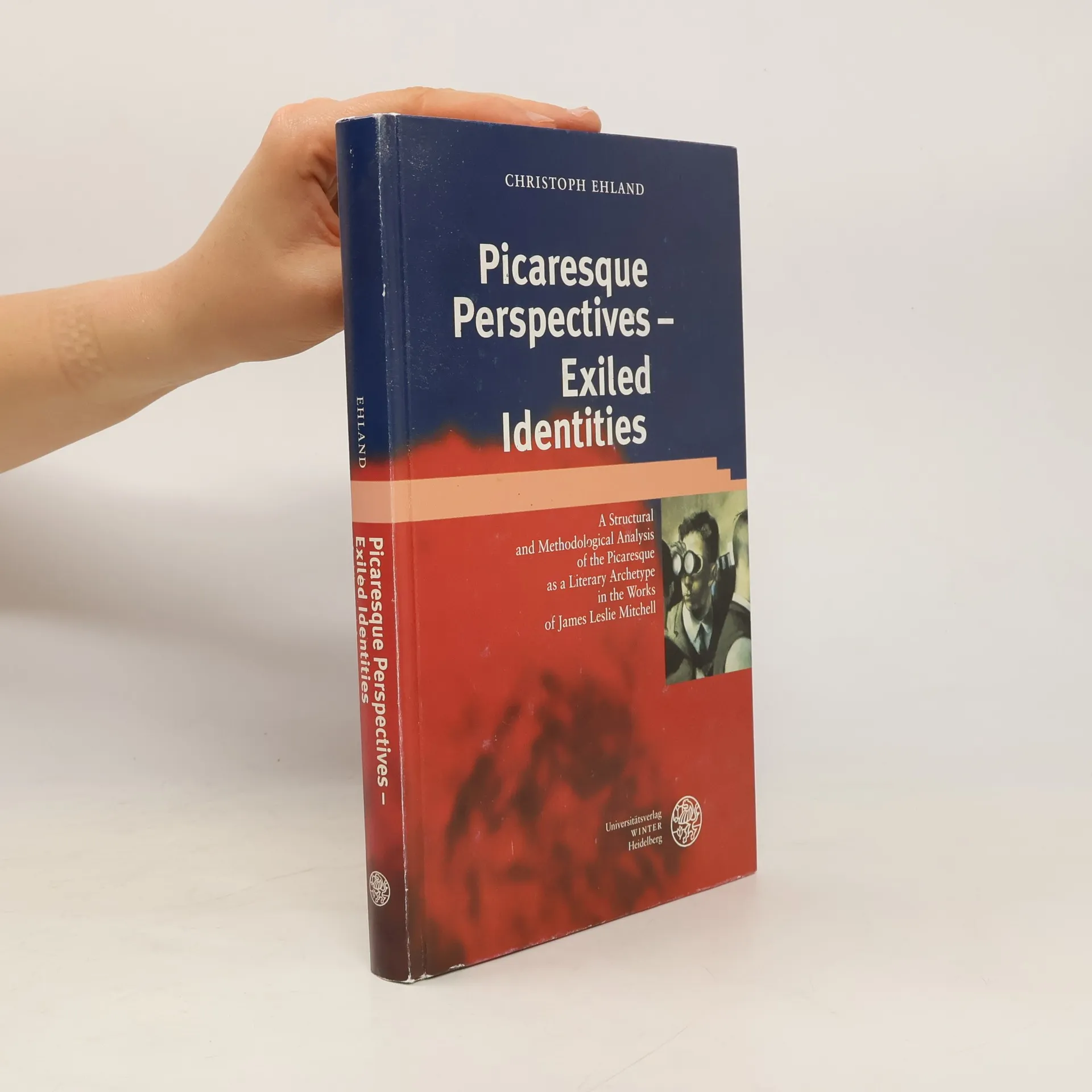
Picaresque perspectives - exiled identities, Christoph Ehland
- Język

- Rok wydania
- 2003
- Oprawa
- (miękka)
Metody płatności
Nikt jeszcze nie ocenił.
- Tytuł
- Picaresque perspectives - exiled identities
- Język
- niemiecki
- Autorzy
- Christoph Ehland
- Wydawca
- Universitätsverlag Winter
- Rok wydania
- 2003
- Oprawa
- miękka
- Liczba stron
- 256
- ISBN10
- 3825314286
- ISBN13
- 9783825314286
- Seria
- Kategorie
- Opis
- This study explores the sudden revival of the picaresque protagonist in the literature of the interwar years and discusses the nature of this narrative paradigm and its psychological and ideological implications. Taking Claudio Guillén's notion of the 'Picaresque Myth' as its basis, the discussion of this book refines the concept of the 'Picaresque' as a literary genre and develops a theory of the literary archetype. After investigating the picaresque logic of alienation and resistance in the anonymous narrative Lazarillo de Tormes this study sets out to clarify the structural links between the archetypal phenomenon and the formal demands of the novel as a literary genre. The validity of the findings of this theoretical study are then illustrated by applying them to a thorough examination of the structural impact of the picaresque element in the works of the Scottish writer James Leslie Mitchell (Lewis Grassic Gibbon). Mitchell's work is thus interpreted as the revival of the archetypal narrative logic of the Picaresque.