




Parametry
Więcej o książce
Tissue engineering as a technology and as a therapeutic has captured worldwide attention and commitmentbecause it has such potential in the care of humanity. Because we are not as yet able to craft robust three dimensional vascular and ductal structures to support the development of complex parenchymal organs, the initial focus of the field has been on thin tissues that can be nourished by diffusion alone. The best example of this class is cartilage. Thought by some to be a relatively simple tissue in the early days of tissue engineering, deep study of this tissue has shown it to manifest great complexity. Yearsof experimental and clinical effort have begun to untangle the clues that will allow us to reproducibly characterize, gener ate and clinically apply engineered cartilage with positive effects. World wide researchers and clinicians are intently focused on this goal and it has come time to step back and make a good assessment of our progress.
Zakup książki
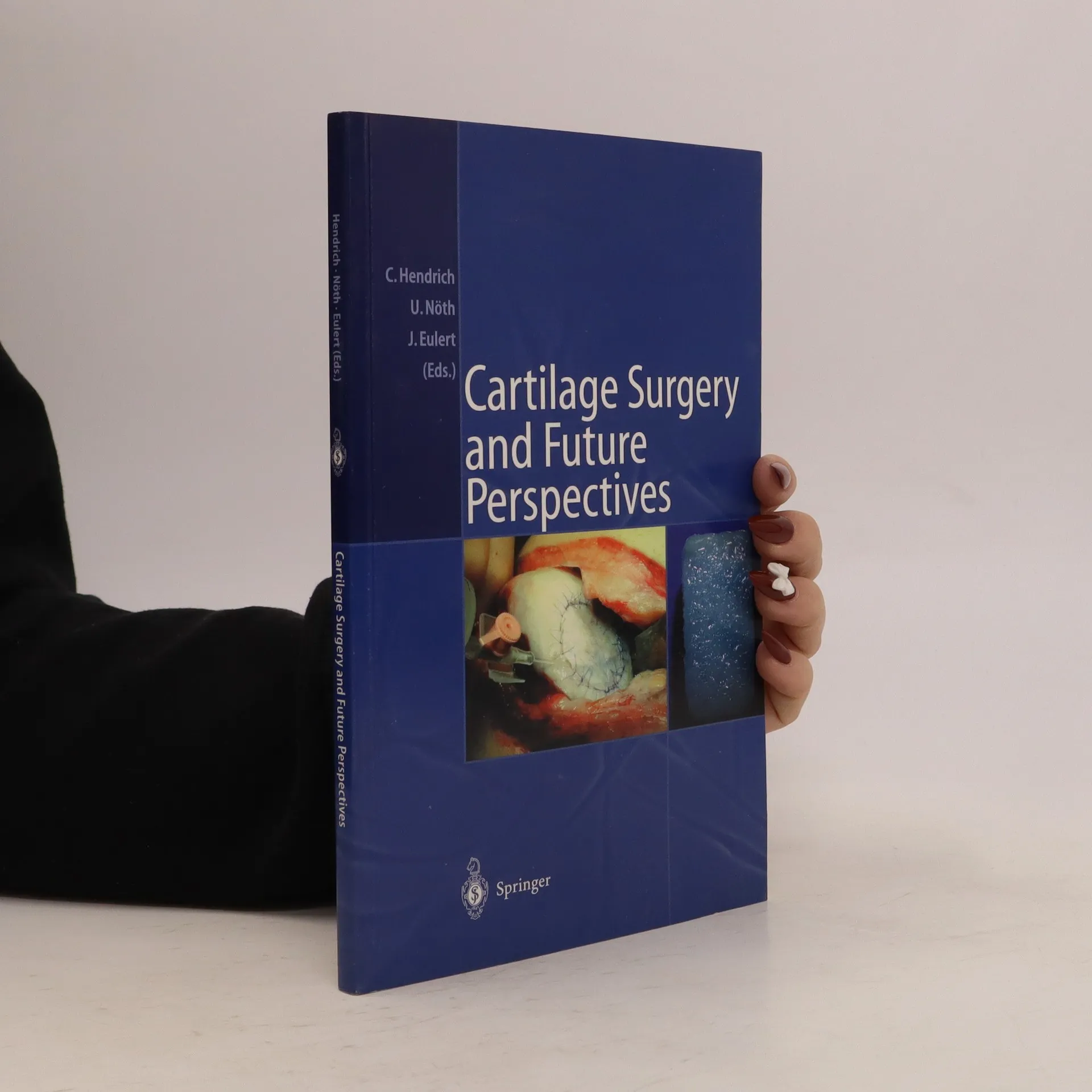
Cartilage surgery and future perspectives, Christian Hendrich
- Język

- Rok wydania
- 2003
- Oprawa
- (miękka)
Metody płatności
Nikt jeszcze nie ocenił.
- Tytuł
- Cartilage surgery and future perspectives
- Język
- angielski
- Autorzy
- Christian Hendrich
- Wydawca
- Springer
- Rok wydania
- 2003
- Oprawa
- miękka
- ISBN10
- 3540010548
- ISBN13
- 9783540010548
- Seria
- Kategorie
- Opis
- Tissue engineering as a technology and as a therapeutic has captured worldwide attention and commitmentbecause it has such potential in the care of humanity. Because we are not as yet able to craft robust three dimensional vascular and ductal structures to support the development of complex parenchymal organs, the initial focus of the field has been on thin tissues that can be nourished by diffusion alone. The best example of this class is cartilage. Thought by some to be a relatively simple tissue in the early days of tissue engineering, deep study of this tissue has shown it to manifest great complexity. Yearsof experimental and clinical effort have begun to untangle the clues that will allow us to reproducibly characterize, gener ate and clinically apply engineered cartilage with positive effects. World wide researchers and clinicians are intently focused on this goal and it has come time to step back and make a good assessment of our progress.