

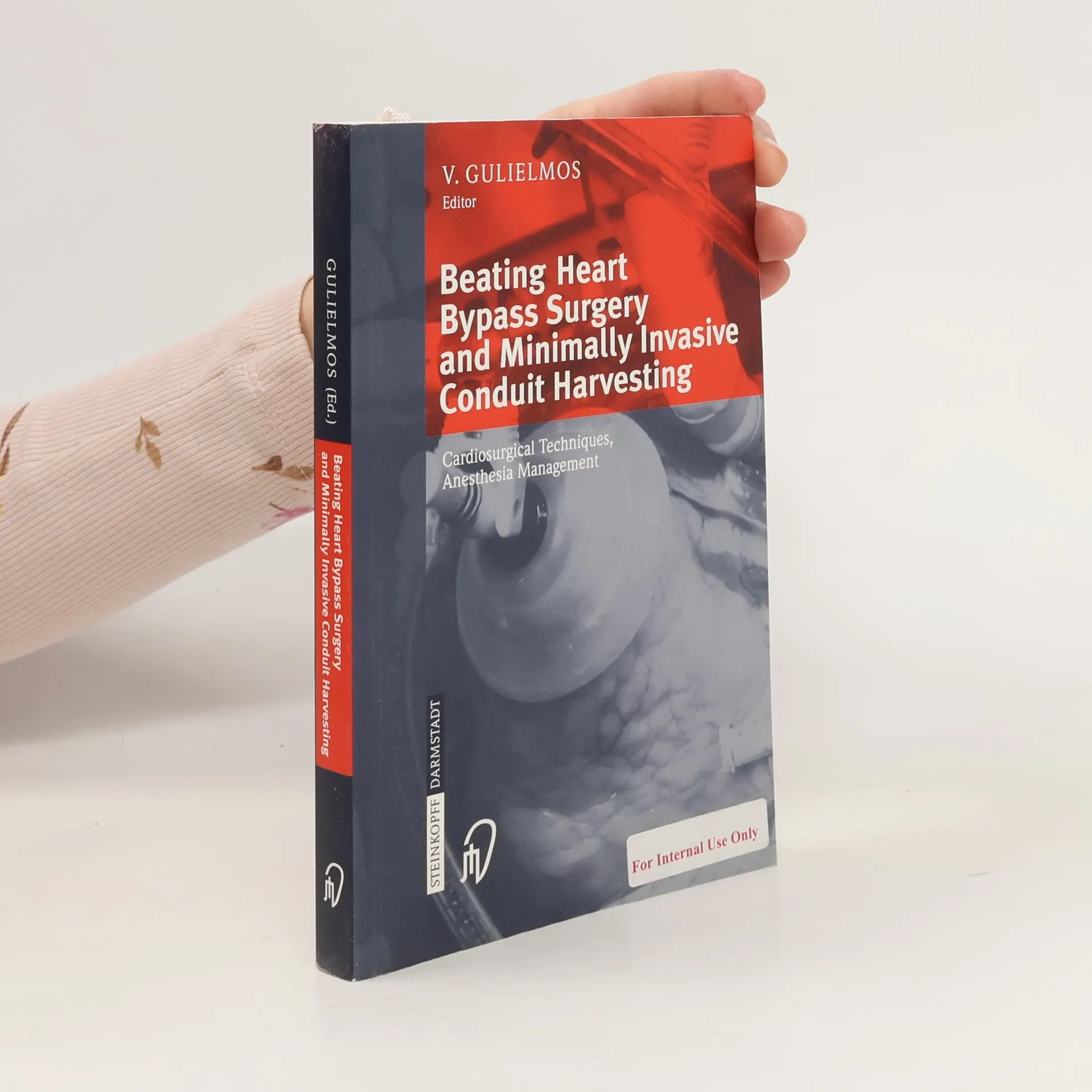


Więcej o książce
In the early days of cardiac surgery, but also in the following four decades, median sternotomy and cardiopulmonary bypass were nearly always included in cardiac surgical procedures. Less invasive surgical techniques were developed with the aim of reducing perioperative trauma without compromising the surgical result, and things became more complex for cardiac surgeons. They now often had to consider the surgical access of choice and whether cardiopulmonary bypass should be used or not. Since the mid 1990s, not only have several novel minimally invasive surgical techniques been presented, but also further refinements have been recommended from time to time. This work comes to fill a gap in the field of coronary artery bypass grafting and conduit harvesting in cardiac surgery, by gathering the mature version of such new, less invasive techniques combining safety, effectiveness, simplicity, sometimes even reducing procedural costs and that always for the patient’s and for the surgeon’s sake.
Zakup książki
Beating heart bypass surgery and minimally invasive conduit harvesting, Vassilios Gulielmos
- Język

- Rok wydania
- 2003
- Oprawa
- (miękka)
Metody płatności
Nikt jeszcze nie ocenił.
- Tytuł
- Beating heart bypass surgery and minimally invasive conduit harvesting
- Język
- niemiecki
- Autorzy
- Vassilios Gulielmos
- Wydawca
- J. F. Steinkopf
- Rok wydania
- 2003
- Oprawa
- miękka
- Liczba stron
- 232
- ISBN10
- 3798513996
- ISBN13
- 9783798513990
- Seria
- Kategorie
- Opis
- In the early days of cardiac surgery, but also in the following four decades, median sternotomy and cardiopulmonary bypass were nearly always included in cardiac surgical procedures. Less invasive surgical techniques were developed with the aim of reducing perioperative trauma without compromising the surgical result, and things became more complex for cardiac surgeons. They now often had to consider the surgical access of choice and whether cardiopulmonary bypass should be used or not. Since the mid 1990s, not only have several novel minimally invasive surgical techniques been presented, but also further refinements have been recommended from time to time. This work comes to fill a gap in the field of coronary artery bypass grafting and conduit harvesting in cardiac surgery, by gathering the mature version of such new, less invasive techniques combining safety, effectiveness, simplicity, sometimes even reducing procedural costs and that always for the patient’s and for the surgeon’s sake.