


Więcej o książce
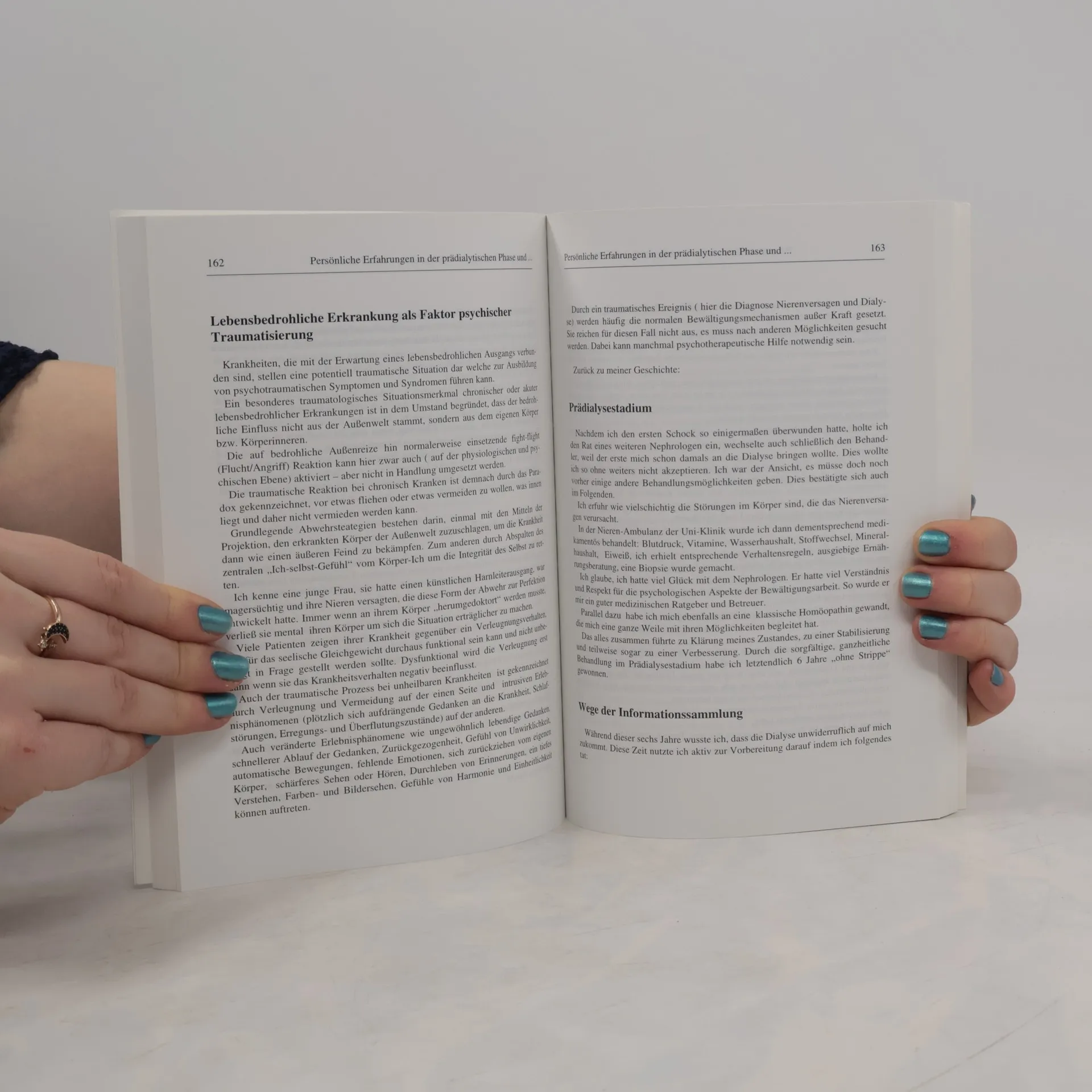
The text covers various aspects of dialysis and kidney treatment through contributions from multiple authors. Topics include water treatment for dialysis, the fundamentals of dialyzers, and anticoagulation. It addresses device-related complications and the nursing perspective on the dialysis process, particularly in pediatric patients. The frequency and causes of renal insufficiency in children and adolescents are explored, along with continuous renal replacement therapy methods. The role of dialysis nursing staff is examined, highlighting common acute issues during hemodialysis. Indications and contraindications for CAPD are discussed, along with the risks and preparation involved in live kidney donation. The underrepresentation of peritoneal dialysis in Germany is analyzed, alongside suggestions for improving its adoption. Training proposals for CAPD patients are also presented. Future requirements for internal quality management in facilities are outlined, as well as the challenges of malnutrition in dialysis patients, including causes and treatment. Personal experiences in the pre-dialysis phase and considerations for choosing kidney replacement therapies are shared. Post-transplant care norms and pitfalls are addressed, and the relevance of home therapy is questioned. The dangers of phosphate levels, body weight impacts on dialysis outcomes, and the relationship between uremia and atherosclerosis are discussed. Legal
Zakup książki
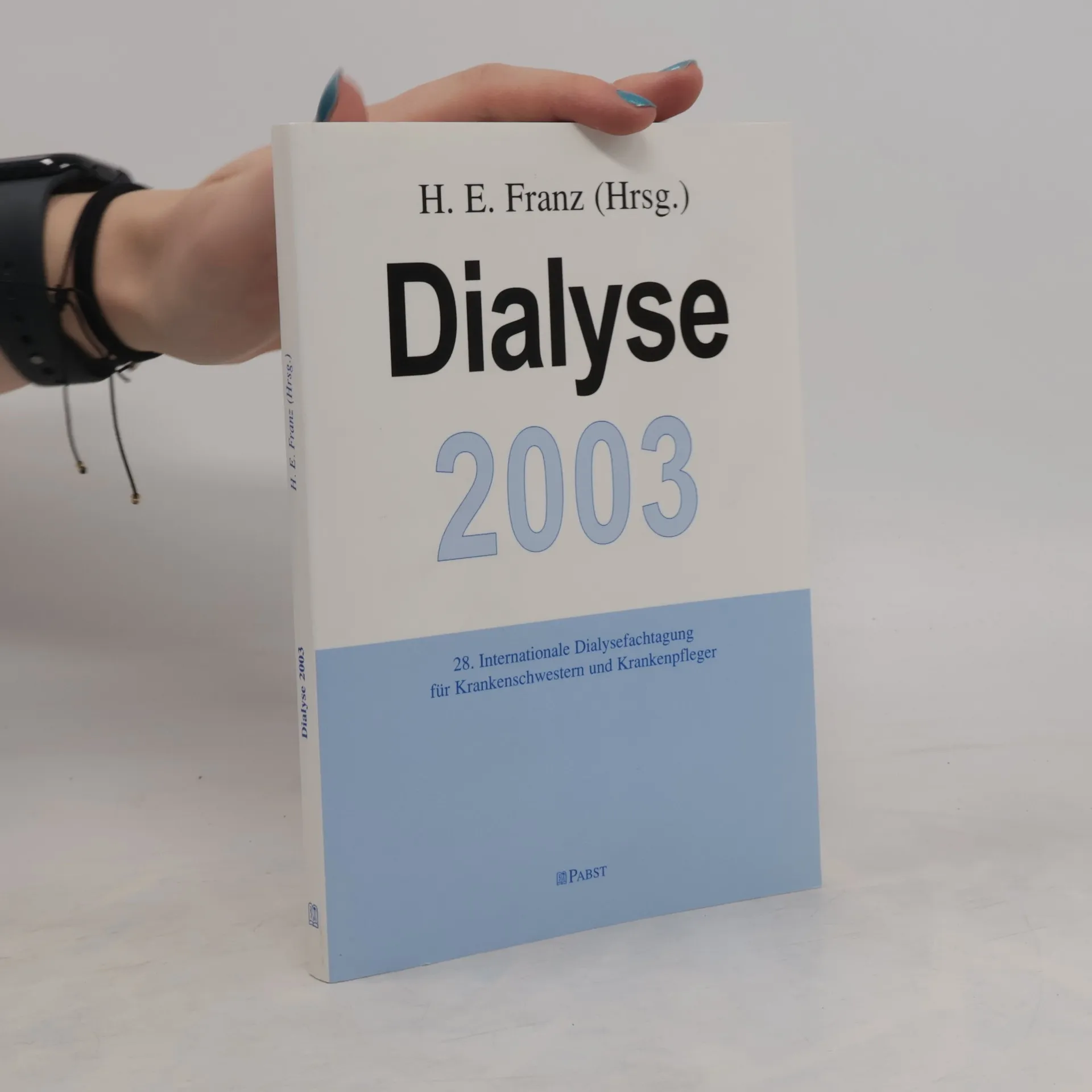
Dialyse 2003, Hans Böhme
- Język

- Rok wydania
- 2004
- Oprawa
- (miękka)
Metody płatności
Nikt jeszcze nie ocenił.
- Tytuł
- Dialyse 2003
- Język
- niemiecki
- Autorzy
- Hans Böhme
- Wydawca
- Pabst Science Publ.
- Rok wydania
- 2004
- Oprawa
- miękka
- Liczba stron
- 293
- ISBN10
- 3899670817
- ISBN13
- 9783899670813
- Seria
- Kategorie
- Opis
- The text covers various aspects of dialysis and kidney treatment through contributions from multiple authors. Topics include water treatment for dialysis, the fundamentals of dialyzers, and anticoagulation. It addresses device-related complications and the nursing perspective on the dialysis process, particularly in pediatric patients. The frequency and causes of renal insufficiency in children and adolescents are explored, along with continuous renal replacement therapy methods. The role of dialysis nursing staff is examined, highlighting common acute issues during hemodialysis. Indications and contraindications for CAPD are discussed, along with the risks and preparation involved in live kidney donation. The underrepresentation of peritoneal dialysis in Germany is analyzed, alongside suggestions for improving its adoption. Training proposals for CAPD patients are also presented. Future requirements for internal quality management in facilities are outlined, as well as the challenges of malnutrition in dialysis patients, including causes and treatment. Personal experiences in the pre-dialysis phase and considerations for choosing kidney replacement therapies are shared. Post-transplant care norms and pitfalls are addressed, and the relevance of home therapy is questioned. The dangers of phosphate levels, body weight impacts on dialysis outcomes, and the relationship between uremia and atherosclerosis are discussed. Legal