

Więcej o książce
From the fourteenth century onward, Western visual culture increasingly depicted violence, transforming real individuals into nameless symbols of horror. Historian Valentin Groebner presents a sophisticated model for understanding how late-medieval images and narratives of "indescribable" violence operated. He explores early-modern images as part of a complex, contested system that visualized extreme violence through political, military, religious, sexual, and theatrical microhistories. These violent representations aimed to convey real pain and terror, making disfigured faces reflect sexual deviance, invisible enemies appear as barbaric fiends, and soldiers seem like bloodthirsty conspirators wreaking havoc. However, spectators did not interpret these images uniformly. Groebner raises critical questions about the viewer's perspective: Who is seen in violent imagery? What impact do such images have on viewers? How can one differentiate between illegitimate violence that disrupts social order and the sanctioned use of force? By addressing these concerns, Groebner challenges contemporary understandings of early-modern visual culture and encourages readers to reconsider their perceptions of brutality in an increasingly violent world.
Zakup książki
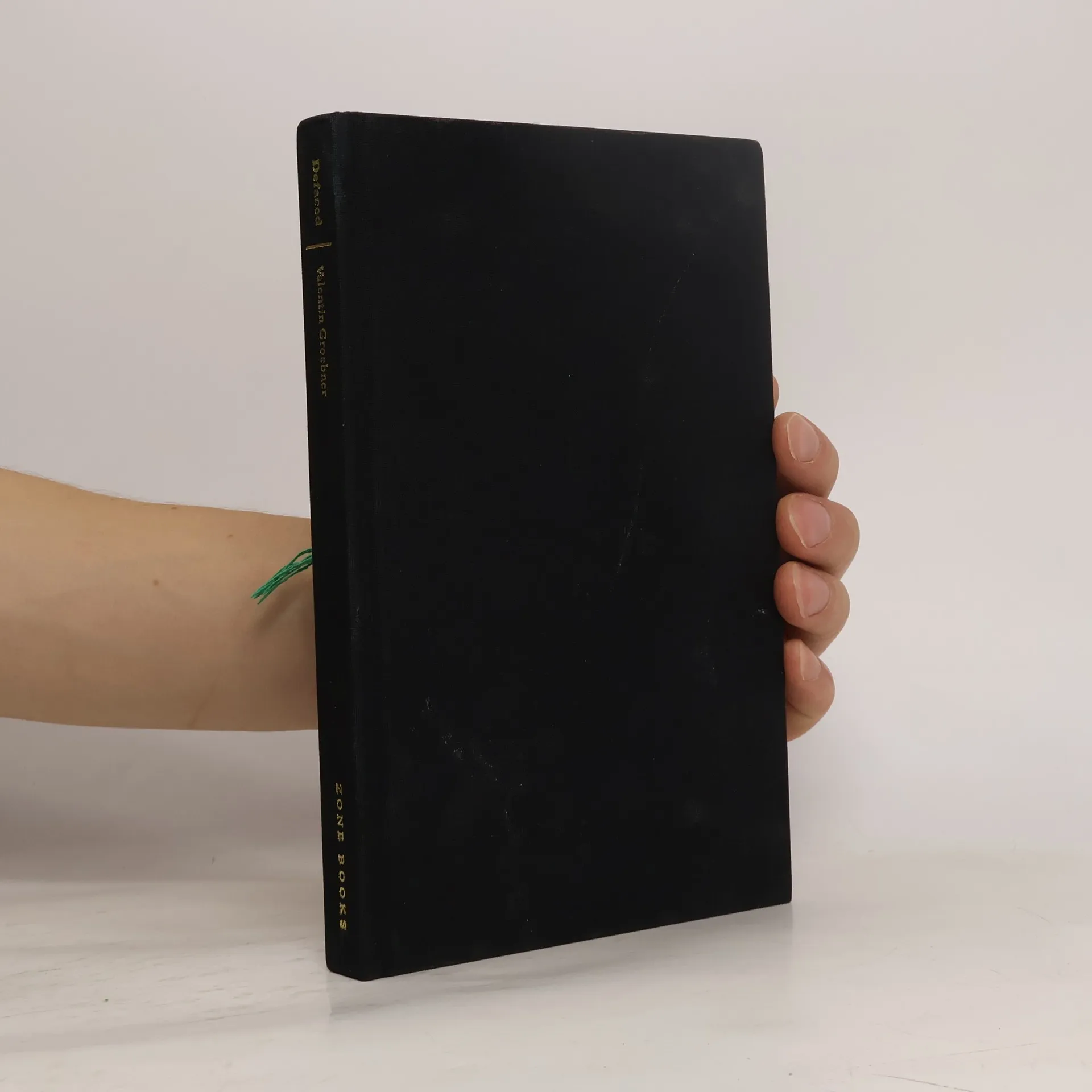
Defaced, Valentin Groebner
- Język

- Rok wydania
- 2004
- Oprawa
- (twarda)
Metody płatności
Brakuje nam tutaj Twojej recenzji.
- Tytuł
- Defaced
- Język
- angielski
- Autorzy
- Valentin Groebner
- Wydawca
- Zone Books
- Rok wydania
- 2004
- Oprawa
- twarda
- Liczba stron
- 199
- ISBN10
- 1890951374
- ISBN13
- 9781890951375
- Seria
- Oryginalna nazwa
- Ungestalten
- Ocena
- 3,55 z 5
- Opis
- From the fourteenth century onward, Western visual culture increasingly depicted violence, transforming real individuals into nameless symbols of horror. Historian Valentin Groebner presents a sophisticated model for understanding how late-medieval images and narratives of "indescribable" violence operated. He explores early-modern images as part of a complex, contested system that visualized extreme violence through political, military, religious, sexual, and theatrical microhistories. These violent representations aimed to convey real pain and terror, making disfigured faces reflect sexual deviance, invisible enemies appear as barbaric fiends, and soldiers seem like bloodthirsty conspirators wreaking havoc. However, spectators did not interpret these images uniformly. Groebner raises critical questions about the viewer's perspective: Who is seen in violent imagery? What impact do such images have on viewers? How can one differentiate between illegitimate violence that disrupts social order and the sanctioned use of force? By addressing these concerns, Groebner challenges contemporary understandings of early-modern visual culture and encourages readers to reconsider their perceptions of brutality in an increasingly violent world.