

Więcej o książce
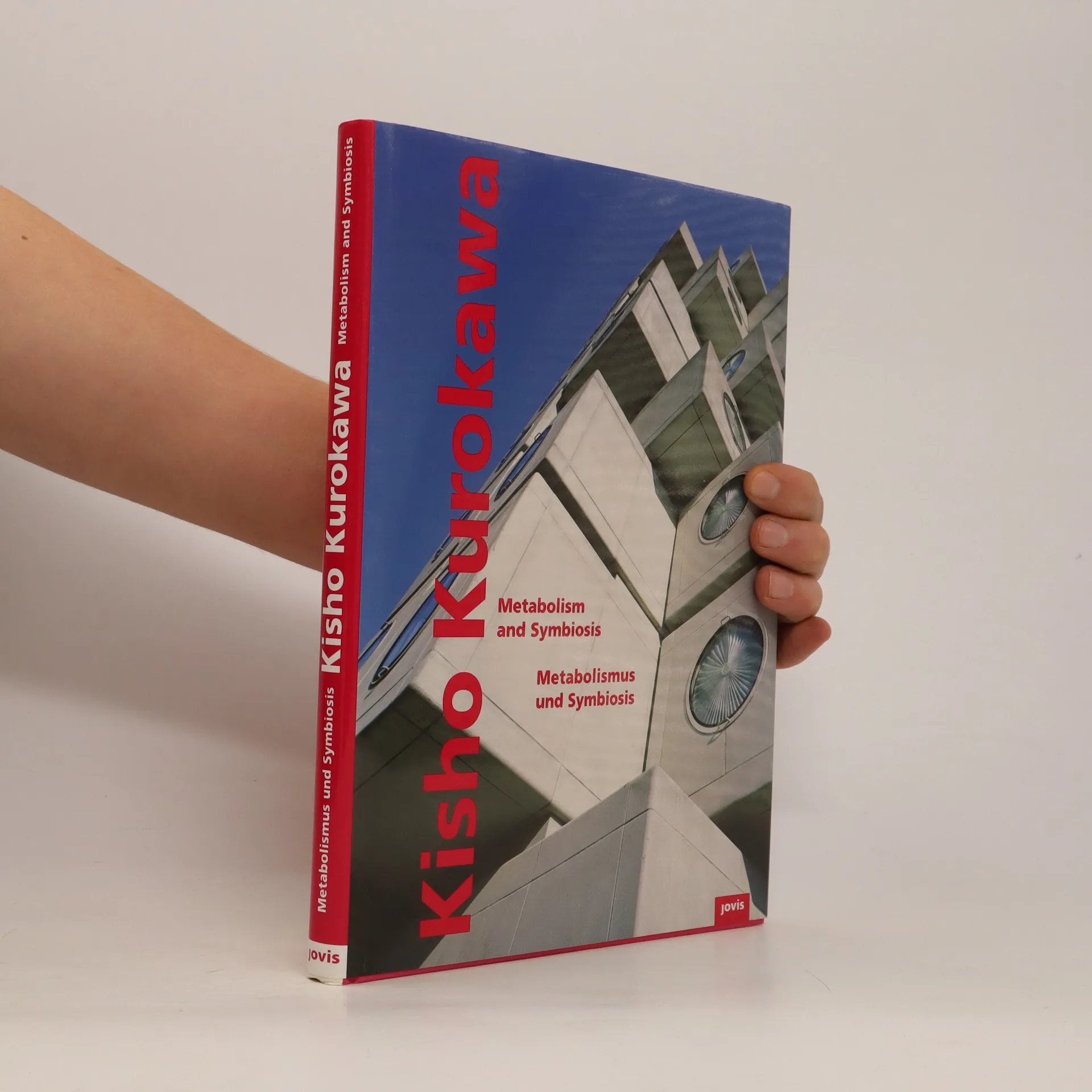
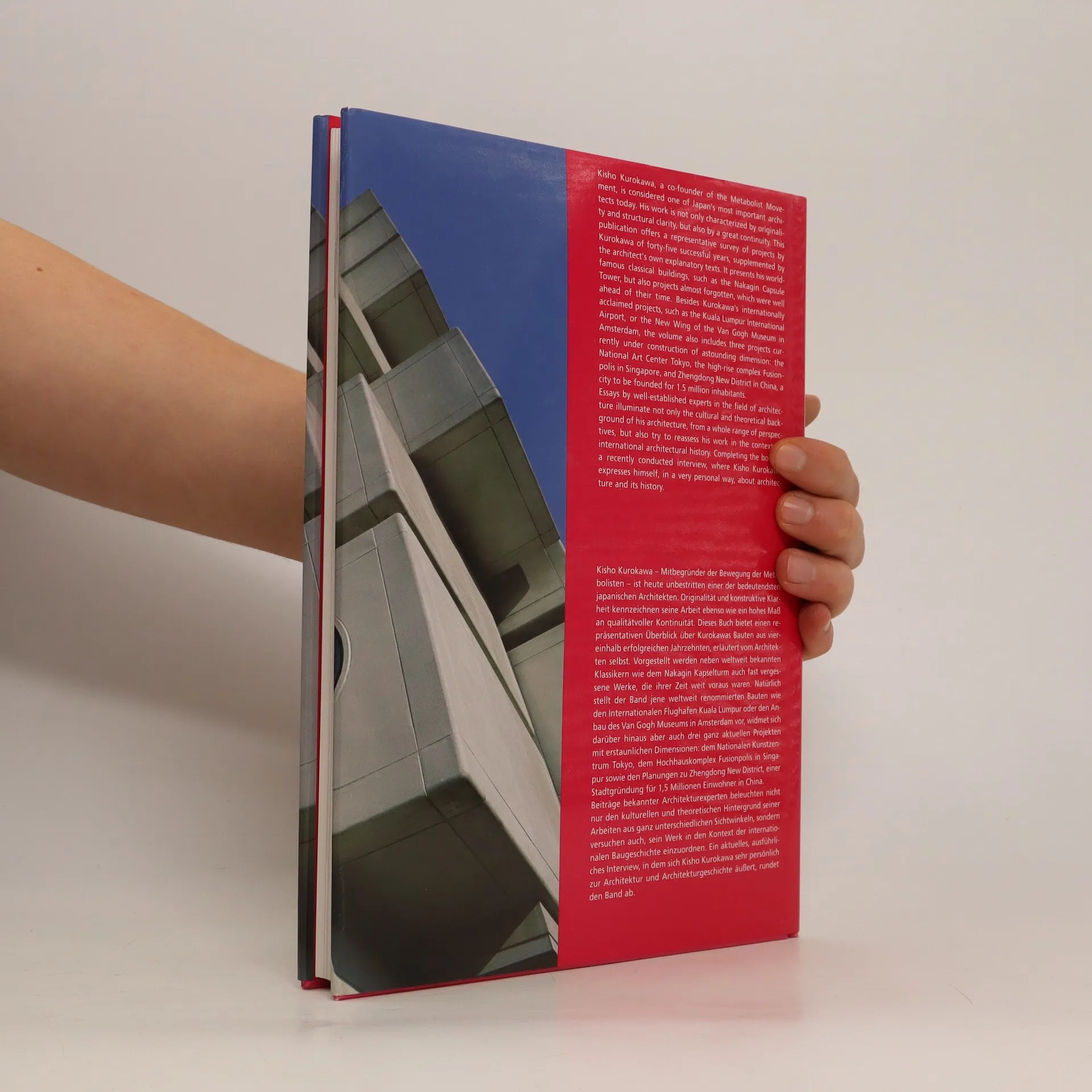
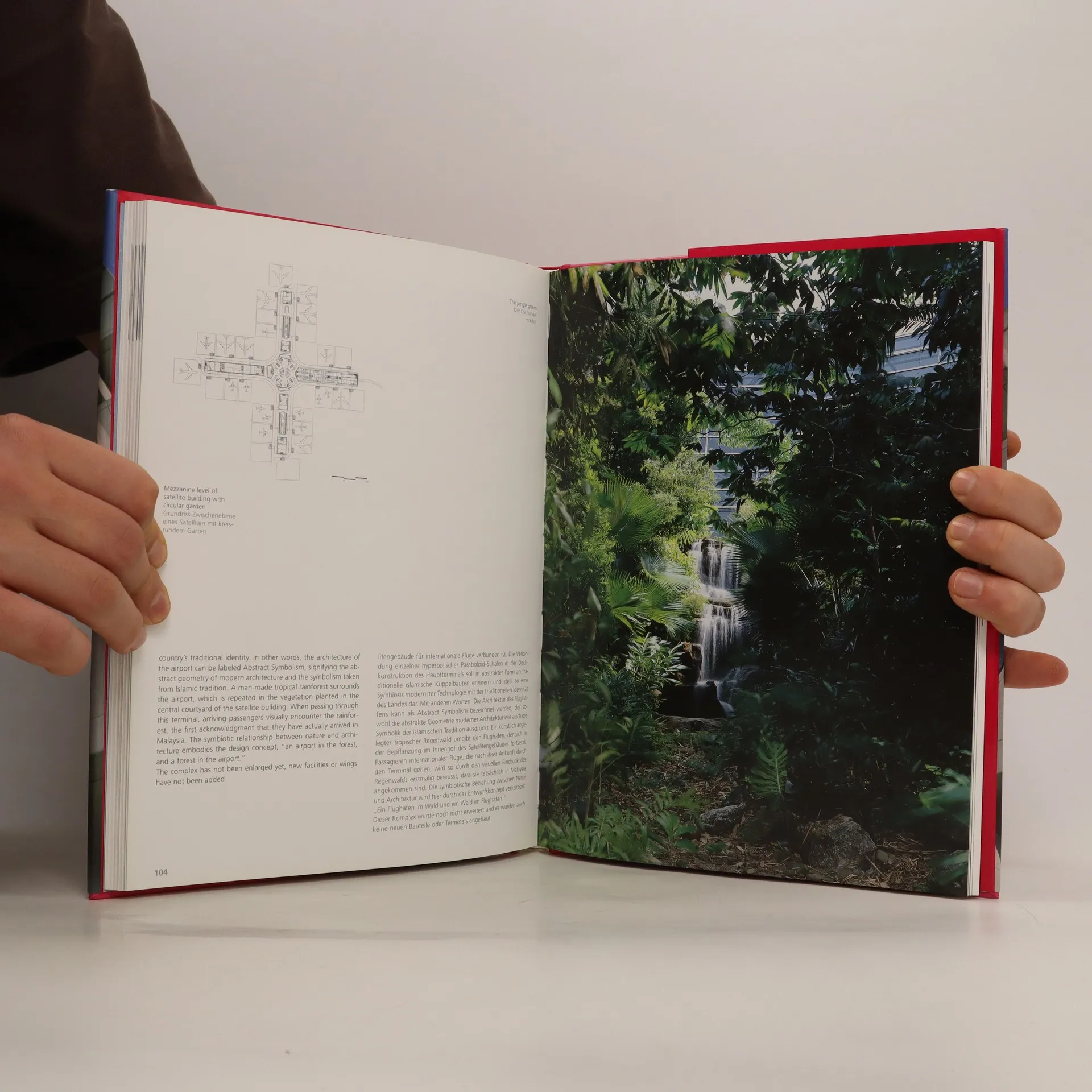
Kisho Kurokawa's international projects have grown in size along with his reputation. Nearly five decades of geometrically elegant buildings, from celebrated recent ones like the Kuala Lumpur International Airport and an addition to the Van Gogh Museum, have established him as one of the field's foremost practitioners and thinkers. A co-founder in the 1960s of the influential Metabolism movement in Japan, which promoted adaptable structures, Kurokawa has recently articulated his theory of Symbiosis, in which he examines the contemporary shift from machine-age values to more organic environments. This retrospective book spans his still-vibrant career, illuminating the continuity, originality and humanity of his work. (His Hiroshima City Museum of Contemporary Art left a gap in the central circular pavilion facing the direction of the bomb's detonation.) Covered here are less-familiar early designs and current undertakings of astounding proportions, like Zhengdong New District in China, a planned city of 15,000 people.
Zakup książki
Kisho Kurokawa, Metabolism and symbiosis, Metabolismus und Symbiosis, Peter Cachola Schmal
- Język


- Rok wydania
- 2005
- Oprawa
- (twarda)
Metody płatności
Brakuje nam tutaj Twojej recenzji.
- Tytuł
- Kisho Kurokawa, Metabolism and symbiosis, Metabolismus und Symbiosis
- Język
- angielski, niemiecki
- Autorzy
- Peter Cachola Schmal
- Wydawca
- jovis
- Rok wydania
- 2005
- Oprawa
- twarda
- Liczba stron
- 160
- ISBN10
- 3936314446
- ISBN13
- 9783936314441
- Seria
- Tagi
- Architektura
- Ocena
- 3,5 z 5
- Opis
- Kisho Kurokawa's international projects have grown in size along with his reputation. Nearly five decades of geometrically elegant buildings, from celebrated recent ones like the Kuala Lumpur International Airport and an addition to the Van Gogh Museum, have established him as one of the field's foremost practitioners and thinkers. A co-founder in the 1960s of the influential Metabolism movement in Japan, which promoted adaptable structures, Kurokawa has recently articulated his theory of Symbiosis, in which he examines the contemporary shift from machine-age values to more organic environments. This retrospective book spans his still-vibrant career, illuminating the continuity, originality and humanity of his work. (His Hiroshima City Museum of Contemporary Art left a gap in the central circular pavilion facing the direction of the bomb's detonation.) Covered here are less-familiar early designs and current undertakings of astounding proportions, like Zhengdong New District in China, a planned city of 15,000 people.