

Parametry
Więcej o książce
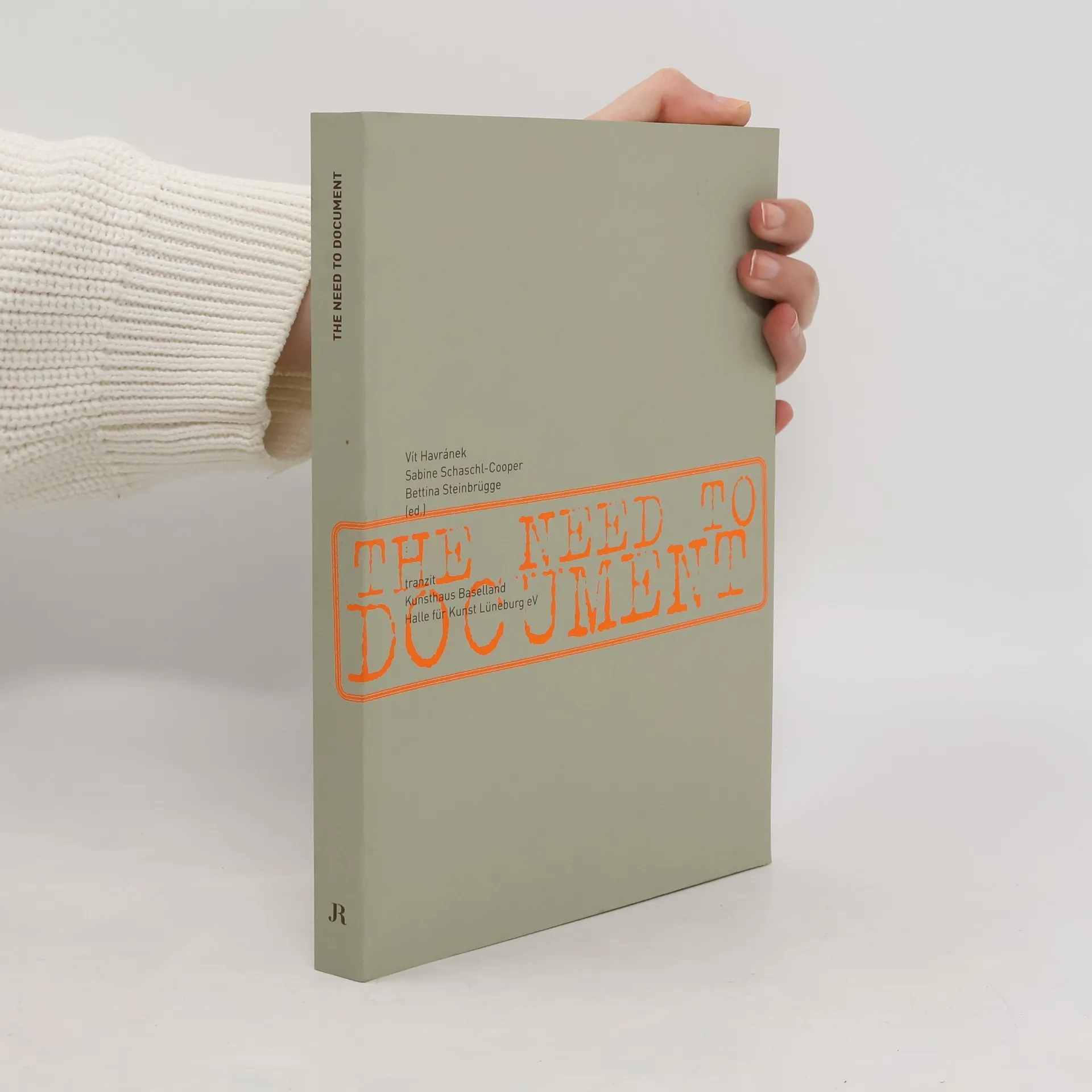
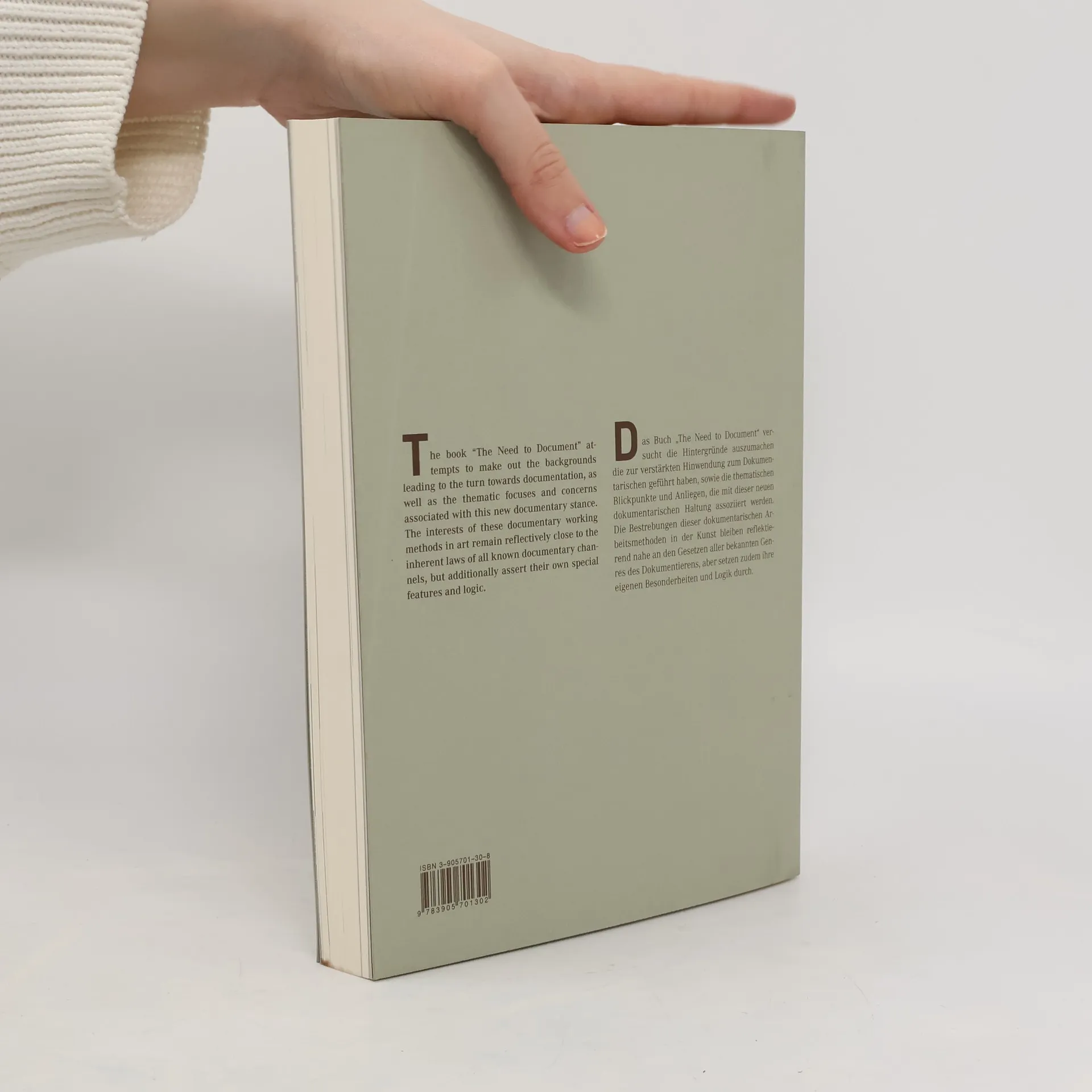
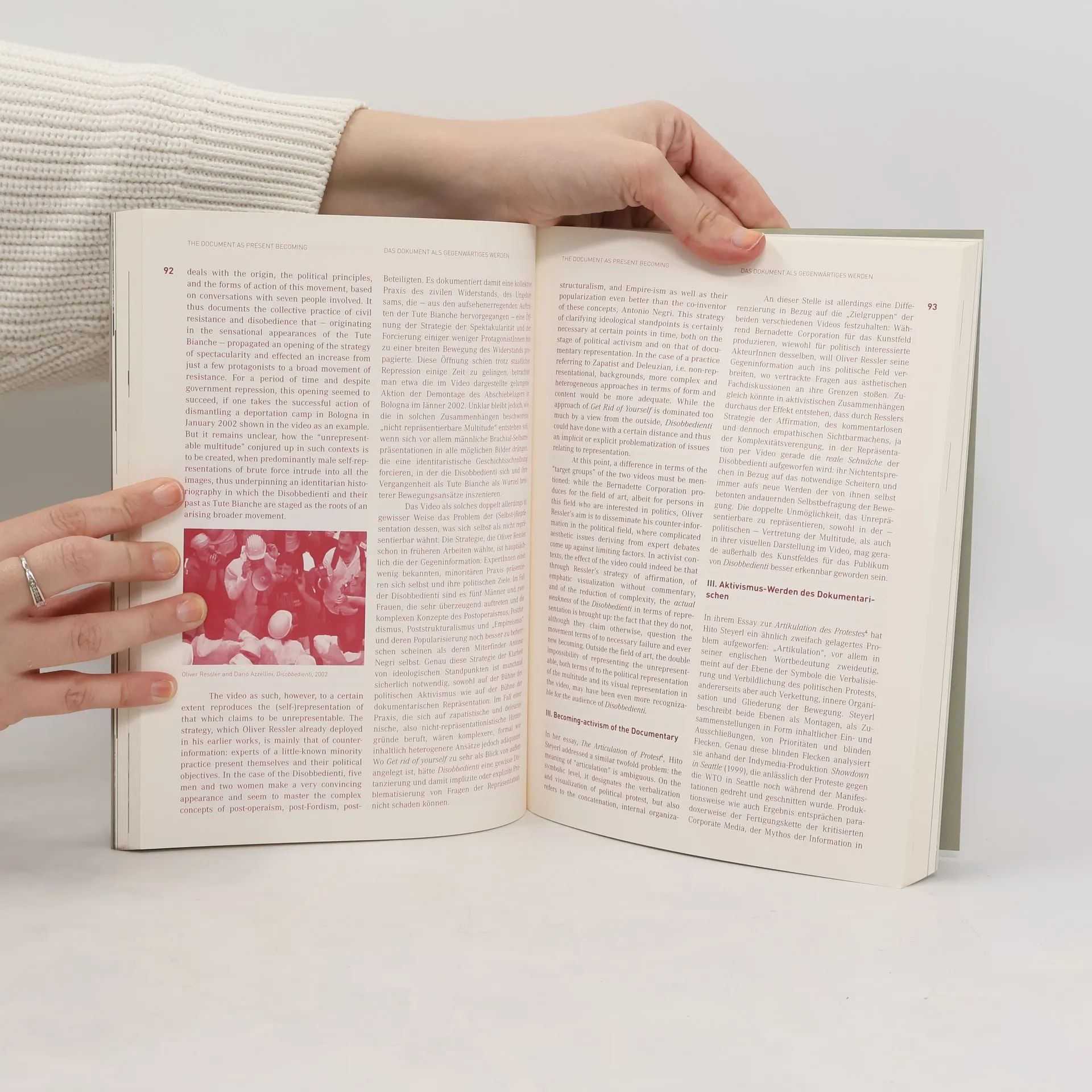
Art that is politically motivated often resorts to documentary forms, which emphasize objectivity and truthfulness while striving for a close representation of reality, free from personal biases. This documentary method can utilize various media, revealing the reflective process of its creation. In contemporary art, documentary practices serve two contrasting purposes: they aim for authenticity to connect with social or political realms, while also recognizing their own methods as socially constructed tools that seek to alter the "politics of truth" rather than simply present political truths. The exploration delves into the reasons behind this shift toward documentary approaches, highlighting the thematic concerns and focuses that accompany this new stance. Although these new documentary methods in art remain closely aligned with traditional documentary principles, they also assert unique characteristics and logic. This examination is published in collaboration with Kunsthaus Baselland, Basel, Halle für Neue Kunst, Lüneburg, and Tranzit, Prag.
Zakup książki
The need to document, Vít Havránek
- Język

- Rok wydania
- 2005
- Oprawa
- (miękka)
Metody płatności
Brakuje nam tutaj Twojej recenzji.
- Tytuł
- The need to document
- Język
- angielski
- Autorzy
- Vít Havránek
- Wydawca
- VG Bild-Kunst
- Rok wydania
- 2005
- Oprawa
- miękka
- ISBN10
- 3905701308
- ISBN13
- 9783905701302
- Seria
- Kategorie
- Tagi
- Katalogi wystaw
- Ocena
- 3 z 5
- Opis
- Art that is politically motivated often resorts to documentary forms, which emphasize objectivity and truthfulness while striving for a close representation of reality, free from personal biases. This documentary method can utilize various media, revealing the reflective process of its creation. In contemporary art, documentary practices serve two contrasting purposes: they aim for authenticity to connect with social or political realms, while also recognizing their own methods as socially constructed tools that seek to alter the "politics of truth" rather than simply present political truths. The exploration delves into the reasons behind this shift toward documentary approaches, highlighting the thematic concerns and focuses that accompany this new stance. Although these new documentary methods in art remain closely aligned with traditional documentary principles, they also assert unique characteristics and logic. This examination is published in collaboration with Kunsthaus Baselland, Basel, Halle für Neue Kunst, Lüneburg, and Tranzit, Prag.