


Parametry
Więcej o książce
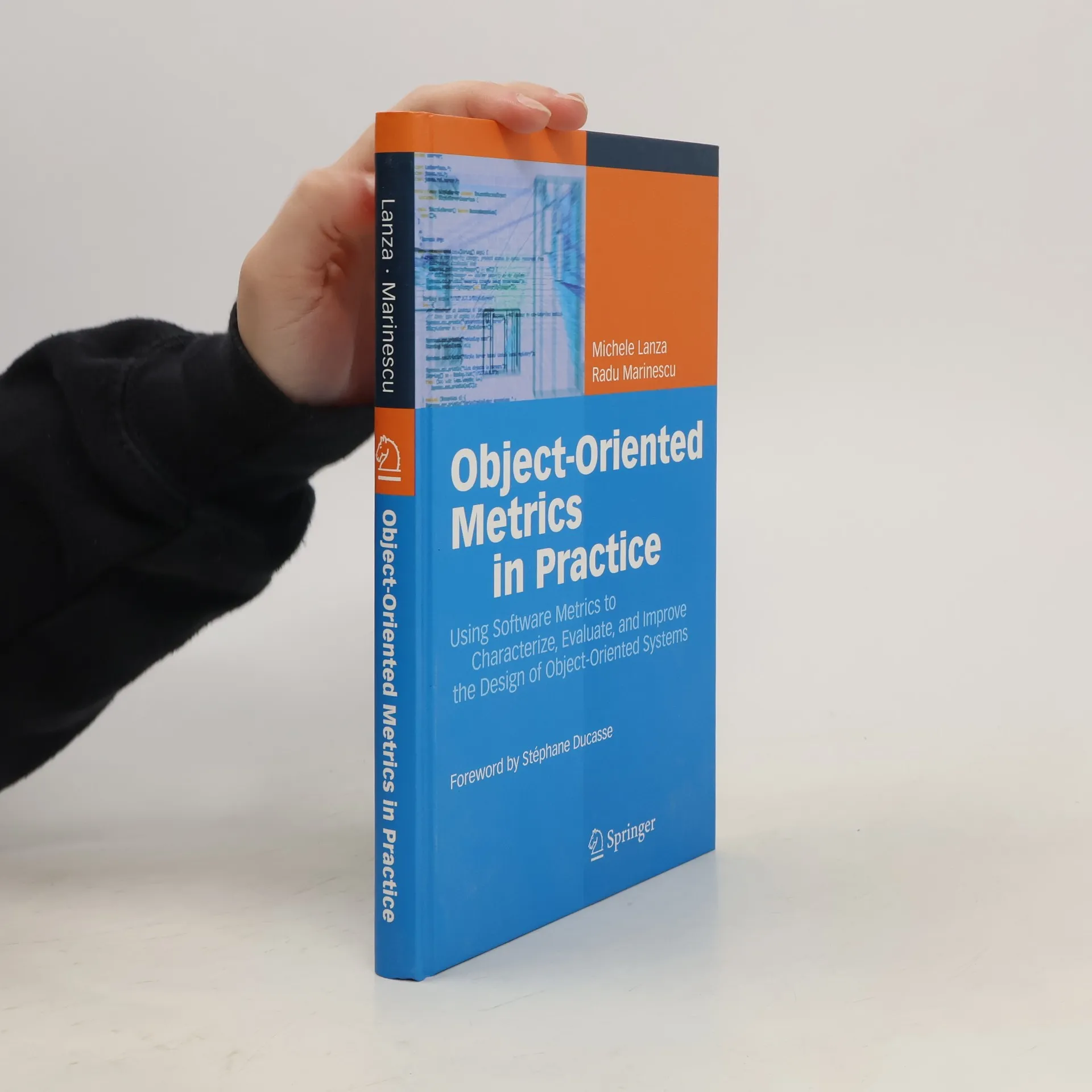
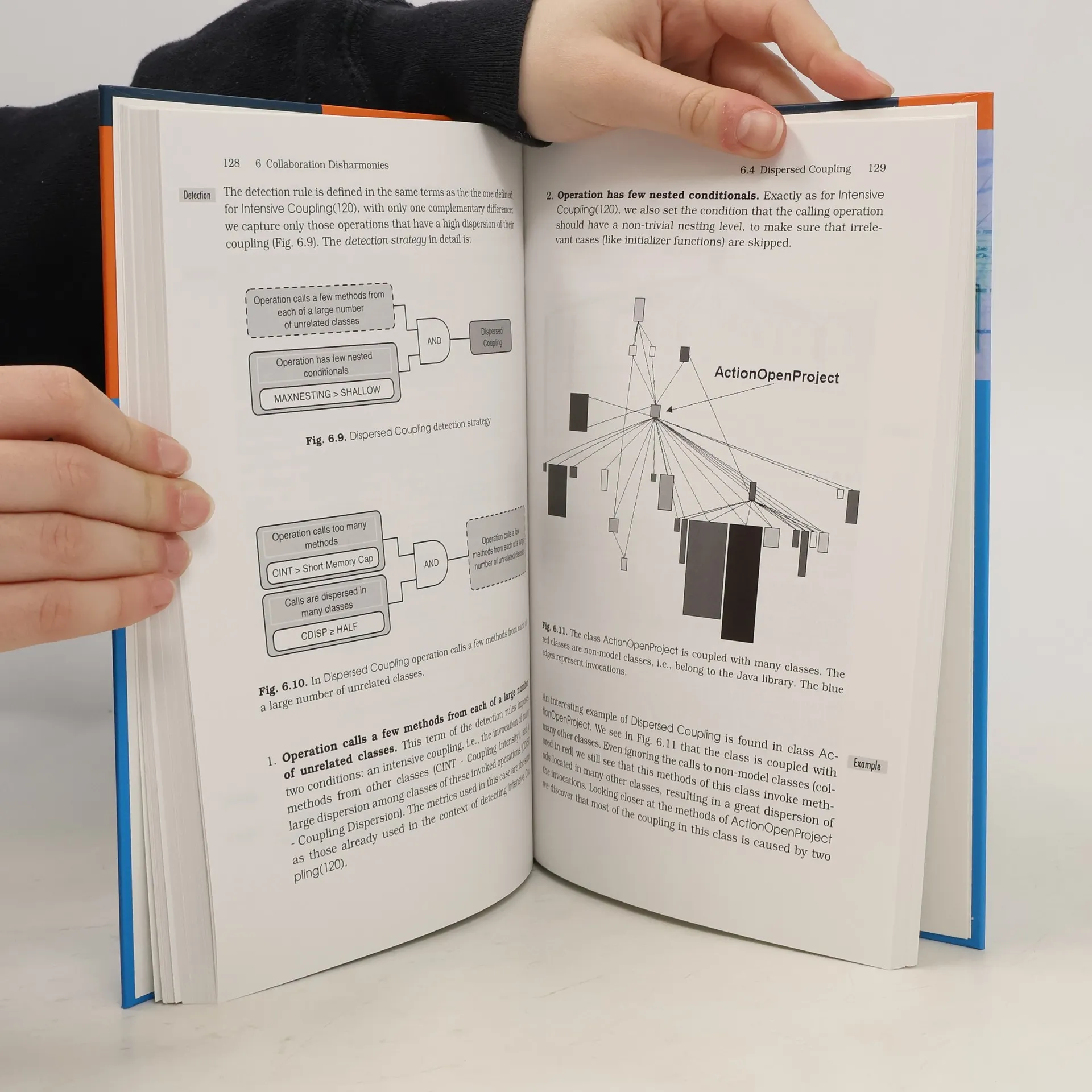
Metrics are crucial in engineering, yet software engineering is often viewed differently due to its unique characteristics. Typically, if a software system meets functional requirements, few focus on its internal workings. Additionally, understanding and applying software metrics can seem overly complex, often reserved for specialists. Lanza and Marinescu simplify the design metrics for evaluating the size, quality, and complexity of object-oriented software systems. Utilizing statistical data from various industrial projects and established semantics, they derive numerous single and combined threshold values. The authors detail how to identify collaboration and classification disharmony patterns in code, visualize results with the CodeCrawler tool, and propose potential solutions. This blend of theoretical insights and practical methodologies makes the book an essential resource for software architects, developers, and quality engineers. Its pattern-oriented approach to identifying disharmonies facilitates the detection of issues and the implementation of strategies. Richard C. Gronback, Chief Scientist at Borland Software Corporation, praises it as a significant contribution that revitalizes the relevance and applicability of object-oriented metrics.
Zakup książki
Object oriented metrics in practice, Michele Lanza
- Język

- Rok wydania
- 2006
- Oprawa
- (twarda)
Metody płatności
Brakuje nam tutaj Twojej recenzji.
- Tytuł
- Object oriented metrics in practice
- Język
- angielski
- Autorzy
- Michele Lanza
- Wydawca
- Springer
- Rok wydania
- 2006
- Oprawa
- twarda
- ISBN10
- 3540244298
- ISBN13
- 9783540244295
- Seria
- Tagi
- Oprogramowanie
- Ocena
- 4,05 z 5
- Opis
- Metrics are crucial in engineering, yet software engineering is often viewed differently due to its unique characteristics. Typically, if a software system meets functional requirements, few focus on its internal workings. Additionally, understanding and applying software metrics can seem overly complex, often reserved for specialists. Lanza and Marinescu simplify the design metrics for evaluating the size, quality, and complexity of object-oriented software systems. Utilizing statistical data from various industrial projects and established semantics, they derive numerous single and combined threshold values. The authors detail how to identify collaboration and classification disharmony patterns in code, visualize results with the CodeCrawler tool, and propose potential solutions. This blend of theoretical insights and practical methodologies makes the book an essential resource for software architects, developers, and quality engineers. Its pattern-oriented approach to identifying disharmonies facilitates the detection of issues and the implementation of strategies. Richard C. Gronback, Chief Scientist at Borland Software Corporation, praises it as a significant contribution that revitalizes the relevance and applicability of object-oriented metrics.