

Więcej o książce
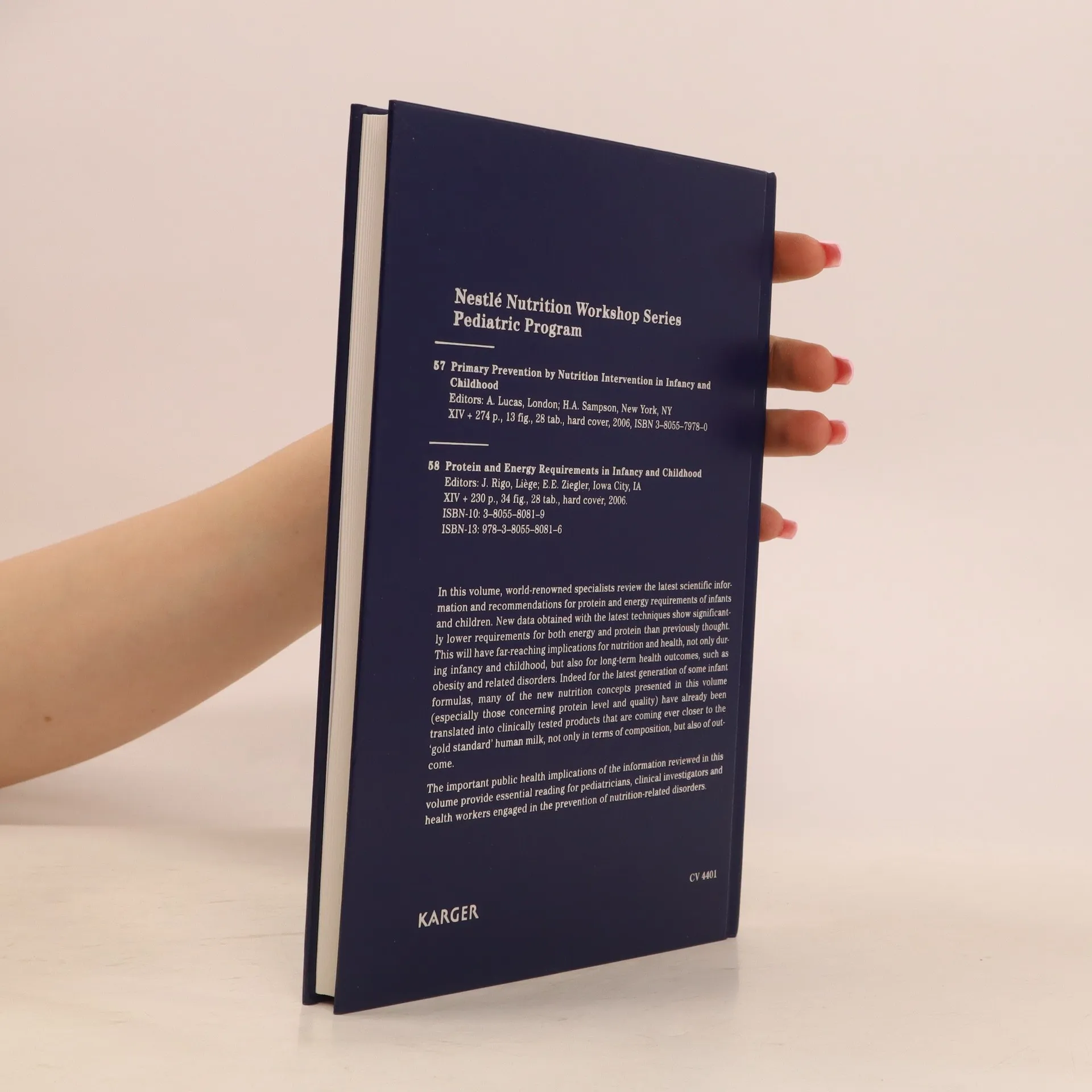
In this volume, world-renowned specialists review the latest scientific information and recommendations for protein and energy requirements of infants and children. New data obtained with the latest techniques show significantly lower requirements for both energy and protein than previously thought. This will have far-reaching implications for nutrition and health, not only during infancy and childhood, but also for long-term health outcomes, such as obesity and related disorders. Indeed for the latest generation of some infant formulas, many of the new nutrition concepts presented in this volume (especially those concerning protein level and quality) have already been translated into clinically tested products that are coming ever closer to the “gold standard” human milk, not only in terms of composition, but also of outcome. The important public health implications of the information reviewed in this volume provide essential reading for pediatricians, clinical investigators and health workers engaged in the prevention of nutrition-related disorders.
Zakup książki
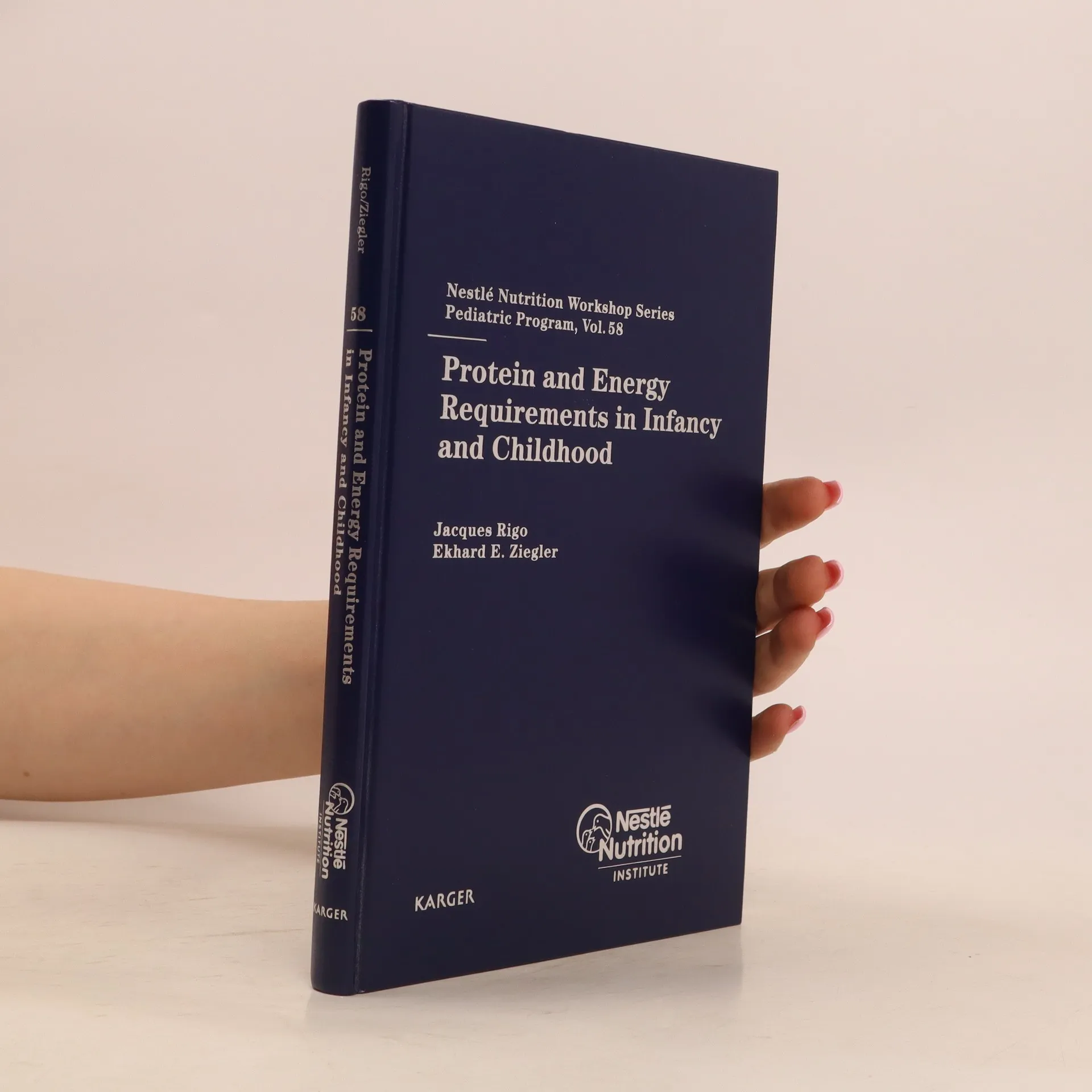
Protein and energy requirements in infancy and childhood, Jacques Rigo
- Język

- Rok wydania
- 2006
- Oprawa
- (twarda)
Metody płatności
Nikt jeszcze nie ocenił.
- Tytuł
- Protein and energy requirements in infancy and childhood
- Język
- angielski
- Autorzy
- Jacques Rigo
- Wydawca
- Karger
- Rok wydania
- 2006
- Oprawa
- twarda
- Liczba stron
- 230
- ISBN10
- 3805580819
- ISBN13
- 9783805580816
- Seria
- Kategorie
- Opis
- In this volume, world-renowned specialists review the latest scientific information and recommendations for protein and energy requirements of infants and children. New data obtained with the latest techniques show significantly lower requirements for both energy and protein than previously thought. This will have far-reaching implications for nutrition and health, not only during infancy and childhood, but also for long-term health outcomes, such as obesity and related disorders. Indeed for the latest generation of some infant formulas, many of the new nutrition concepts presented in this volume (especially those concerning protein level and quality) have already been translated into clinically tested products that are coming ever closer to the “gold standard” human milk, not only in terms of composition, but also of outcome. The important public health implications of the information reviewed in this volume provide essential reading for pediatricians, clinical investigators and health workers engaged in the prevention of nutrition-related disorders.