

Parametry
Więcej o książce
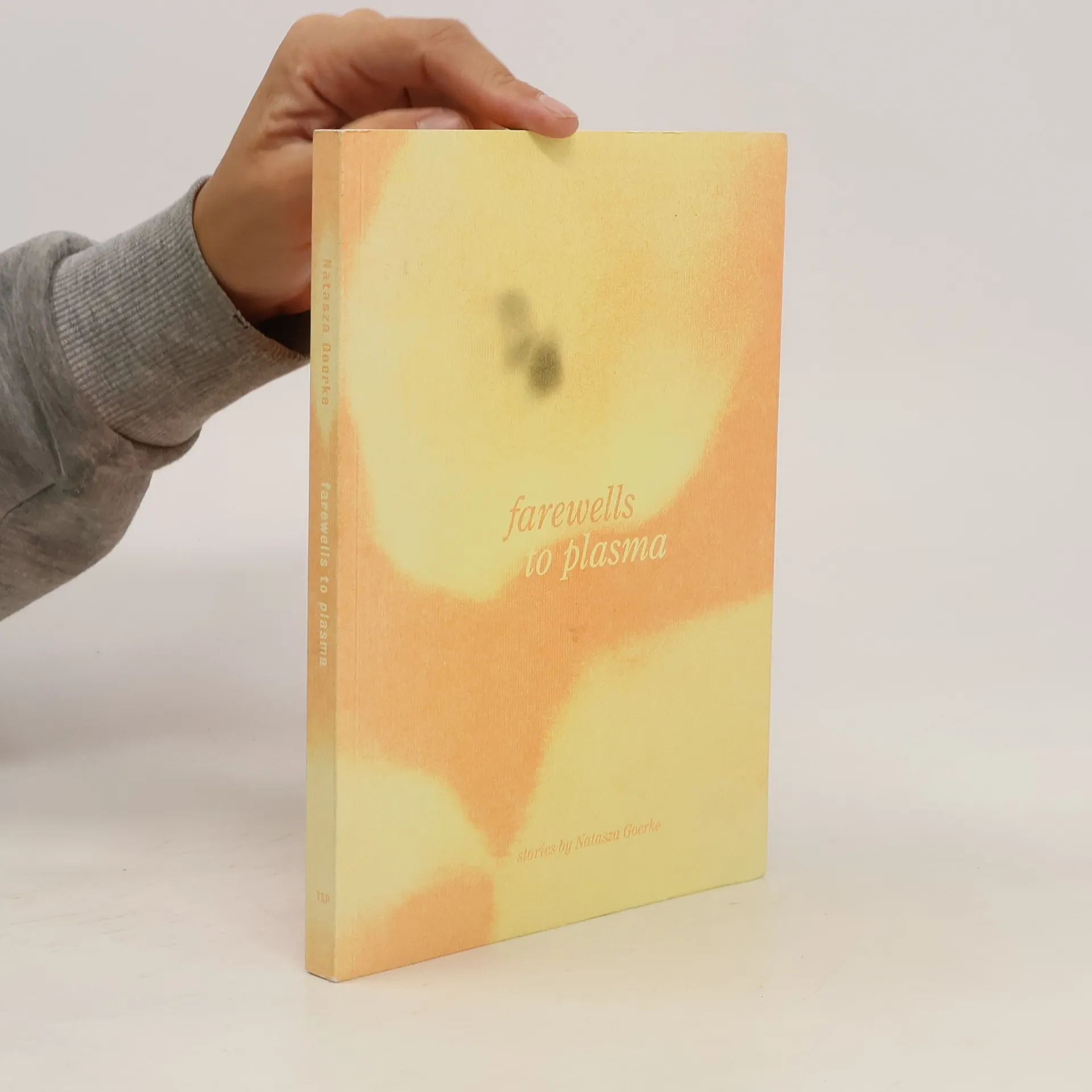
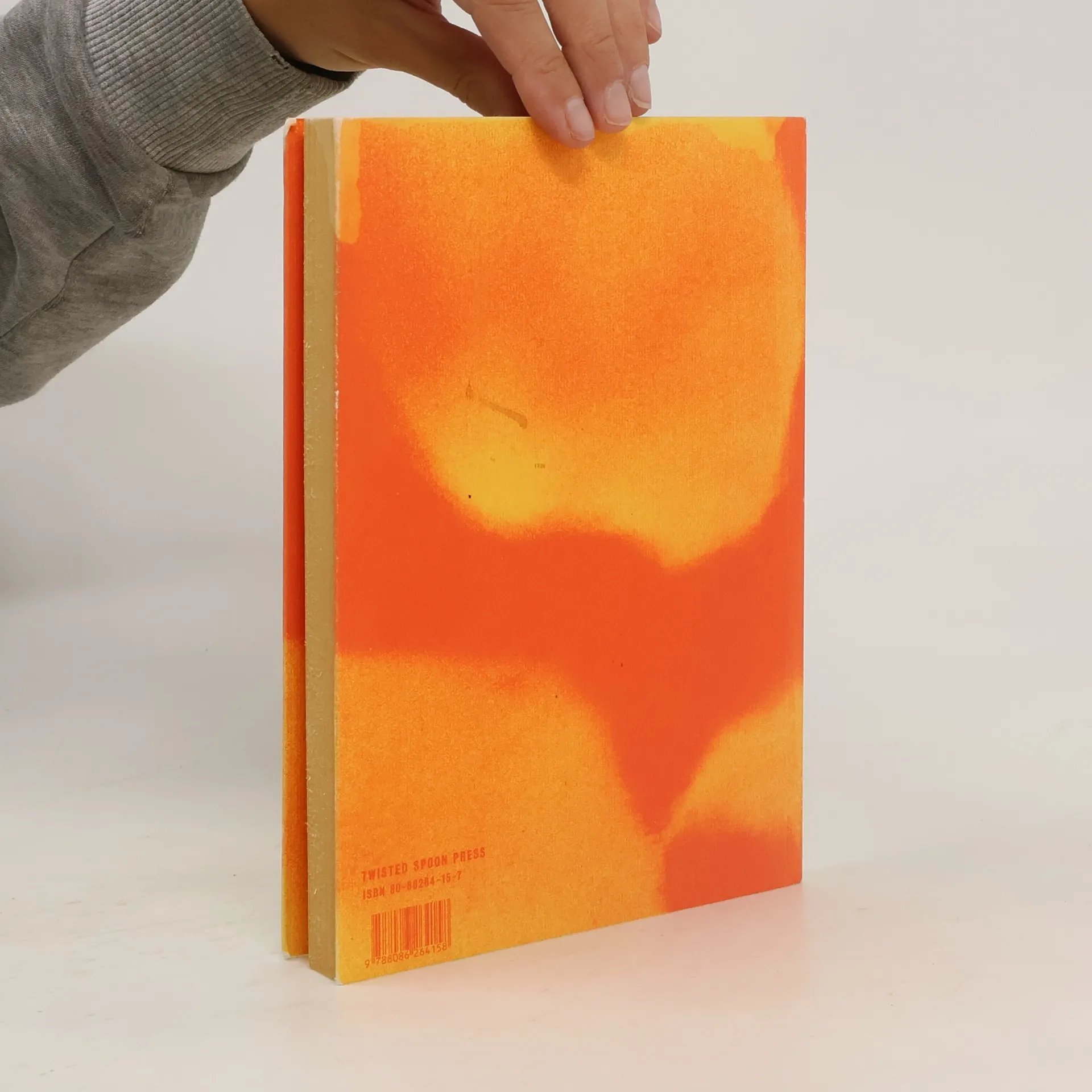
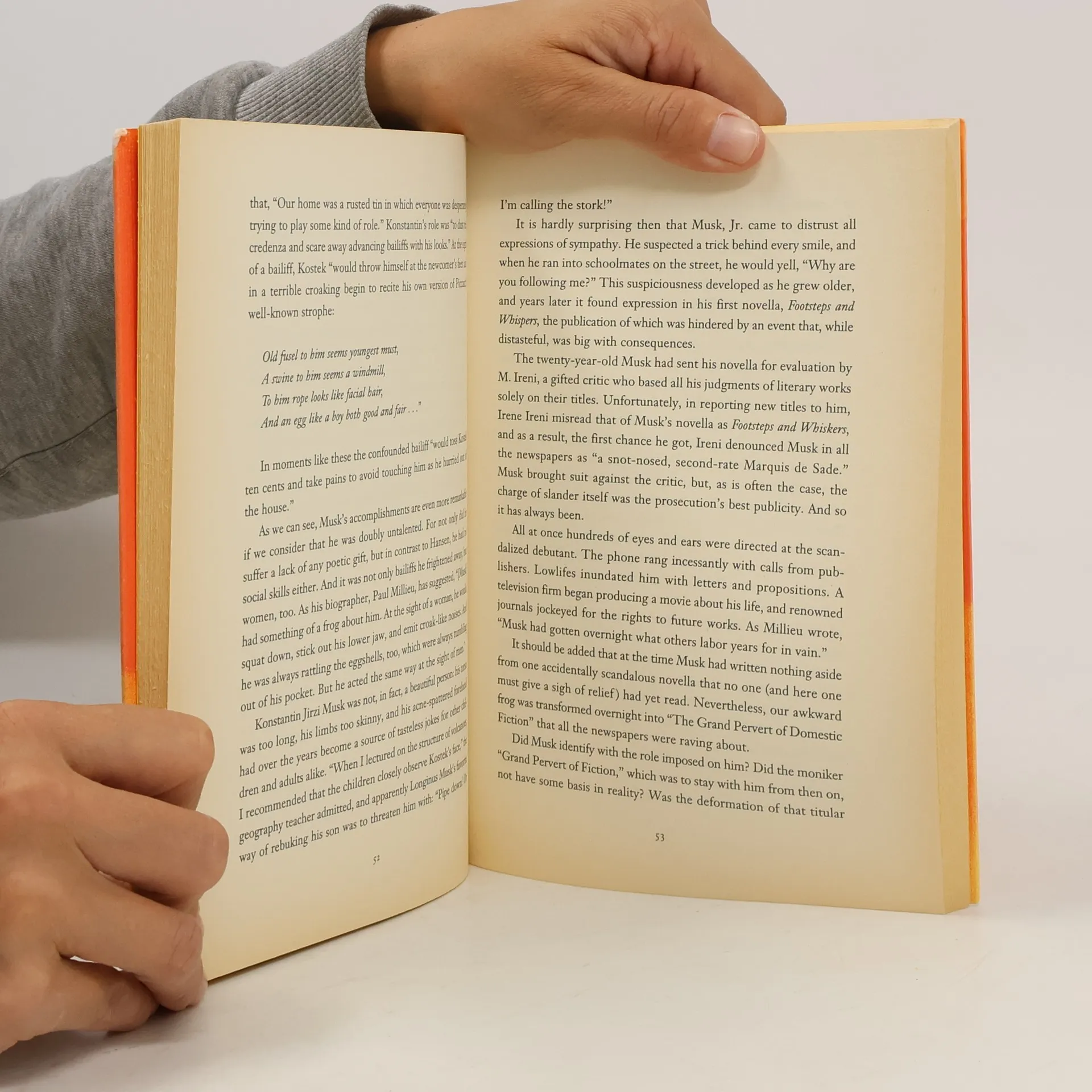
Tato kniha byla vydána českým nakladatelstvím Twisted Spoon Press, které sídlí v Praze a vydává díla českých a slovanských autorů v anglickém jazyce. Oficiální anotace nakladatele: Farewells to Plasma is a selection of short stories and prose from the three volumes Goerke has published in Polish. Few Polish prose writers of the past ten years have attracted as much delight and bewilderment as Natasza Goerke. Her stories, which are commonly fastened with predicates like “surreal,” “grotesque,” “ludicrous,” “ironic,” and “extravagant,” call to mind the absurdist and parabolic work of Daniil Kharms, Slawomir Mrozek, Clarice Lispector, and Antonio Tabucchi. Although her reluctance toward straightforward narration, her refusal of any "responsibility" on the part of the writer to provide metaphysical product for the national masses, and her involvement with esoteric perspectives such as Buddhism and Asian cultures generally, all have caused less avant-garde-friendly critics to shake their heads in consternation, her erudition and extremely fine feeling for the Polish language have earned her recognition from all quarters as one of the most innovative and important voices of the younger generation.
Zakup książki
Farewells to Plasma, Natasza Goerke
- Język

- Rok wydania
- 2001
- Oprawa
- (miękka)
Metody płatności
Brakuje nam tutaj Twojej recenzji.
- Tytuł
- Farewells to Plasma
- Język
- angielski
- Autorzy
- Natasza Goerke
- Wydawca
- Twisted Spoon Press
- Rok wydania
- 2001
- Oprawa
- miękka
- ISBN10
- 8086264157
- ISBN13
- 9788086264158
- Seria
- Kategorie
- Pierwsze wydanie
- 2001
- Oryginalna nazwa
- Pożegnania plazmy, Księga pasztetów, 47 na odlew
- Ocena
- 3,85 z 5
- Opis
- Tato kniha byla vydána českým nakladatelstvím Twisted Spoon Press, které sídlí v Praze a vydává díla českých a slovanských autorů v anglickém jazyce. Oficiální anotace nakladatele: Farewells to Plasma is a selection of short stories and prose from the three volumes Goerke has published in Polish. Few Polish prose writers of the past ten years have attracted as much delight and bewilderment as Natasza Goerke. Her stories, which are commonly fastened with predicates like “surreal,” “grotesque,” “ludicrous,” “ironic,” and “extravagant,” call to mind the absurdist and parabolic work of Daniil Kharms, Slawomir Mrozek, Clarice Lispector, and Antonio Tabucchi. Although her reluctance toward straightforward narration, her refusal of any "responsibility" on the part of the writer to provide metaphysical product for the national masses, and her involvement with esoteric perspectives such as Buddhism and Asian cultures generally, all have caused less avant-garde-friendly critics to shake their heads in consternation, her erudition and extremely fine feeling for the Polish language have earned her recognition from all quarters as one of the most innovative and important voices of the younger generation.