

Więcej o książce
Te practice of intensive care medicine is at the very forefront of titration of treatment andmonitoringresponse. Te substrateofthiscareisthe criticallyill patientwho, by defnition, is at the limits of his or her physiologic reserve. Such patients need immediate, aggressive but balanced life-altering interventions to minimize the detrimental aspects of acute illness and hasten recovery. Treatmentdecisionsandresponsetotherapyareusually assessed by measures of physiologic function, such as assessed by cardio-respiratory monitoring. However, how one uses such information is ofen unclear and rarely supported by prospective clinical trials. In reality, the bedside clinician is forced to rely primarily on physiologic principles in determining the best treatments and response to therapy. However, the physiologic foundation present in practicing physicians is uneven and occasionally supported more by habit or prior training than science. A series of short papers published in Intensive Care Medicine since 2002 under the heading Physiologic Notes attempts to capture the essence of the physiologic perspectives that underpin both our understanding of disease and response to therapy. Tis present volume combines the complete list of these Physiologic Notes up until July 2006 with the ass o cia t ed r e vie w a r tic les o v er t h e s a m e in t er val t ha t a ls o addr ess e d t hes e cen tral issues.
Zakup książki
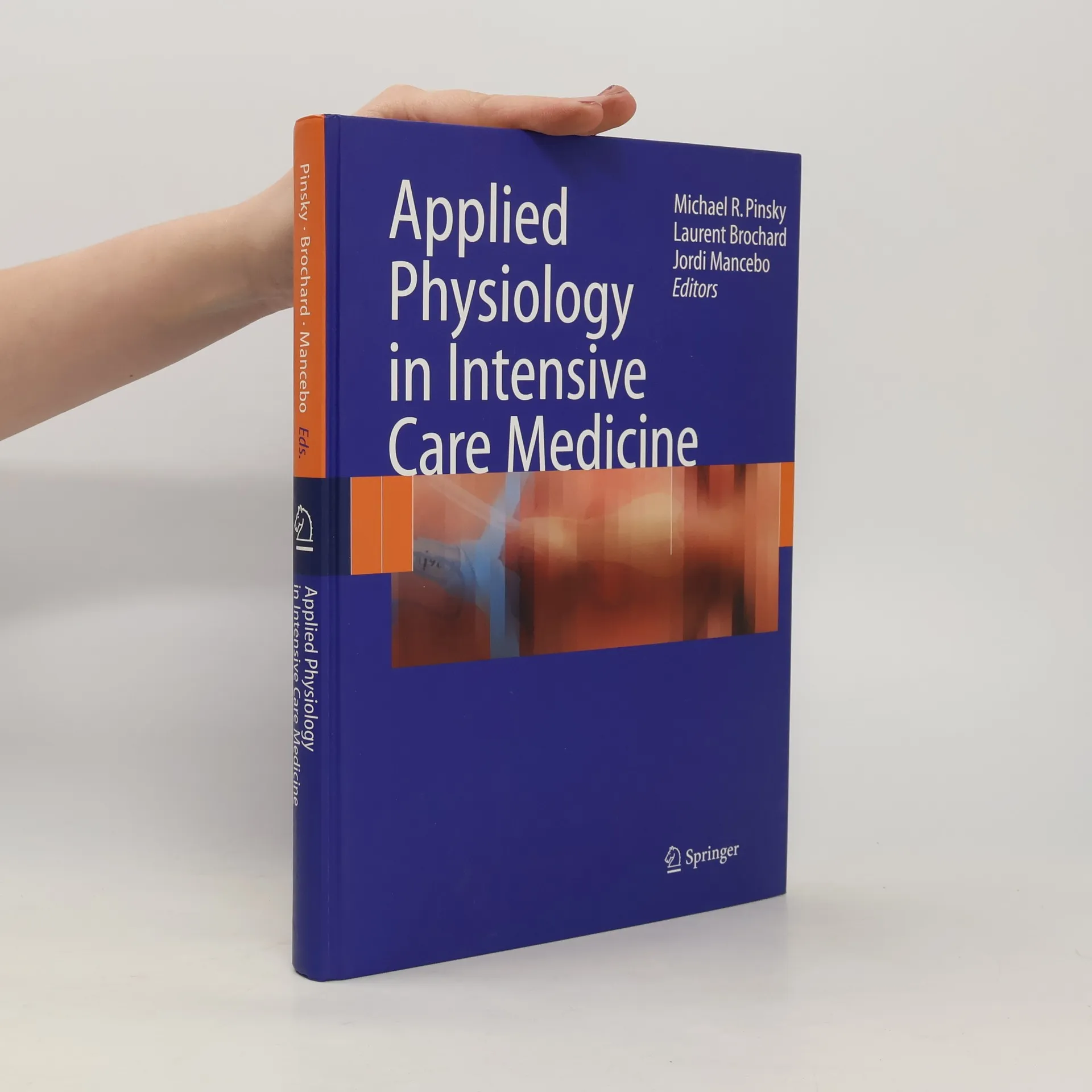
Applied physiology in intensive care medicine, Michael R. Pinsky
- Język

- Rok wydania
- 2006
- Oprawa
- (twarda)
Metody płatności
Nikt jeszcze nie ocenił.
- Tytuł
- Applied physiology in intensive care medicine
- Język
- angielski
- Autorzy
- Michael R. Pinsky
- Wydawca
- Springer
- Rok wydania
- 2006
- Oprawa
- twarda
- Liczba stron
- 378
- ISBN10
- 3540373616
- ISBN13
- 9783540373612
- Seria
- Kategorie
- Opis
- Te practice of intensive care medicine is at the very forefront of titration of treatment andmonitoringresponse. Te substrateofthiscareisthe criticallyill patientwho, by defnition, is at the limits of his or her physiologic reserve. Such patients need immediate, aggressive but balanced life-altering interventions to minimize the detrimental aspects of acute illness and hasten recovery. Treatmentdecisionsandresponsetotherapyareusually assessed by measures of physiologic function, such as assessed by cardio-respiratory monitoring. However, how one uses such information is ofen unclear and rarely supported by prospective clinical trials. In reality, the bedside clinician is forced to rely primarily on physiologic principles in determining the best treatments and response to therapy. However, the physiologic foundation present in practicing physicians is uneven and occasionally supported more by habit or prior training than science. A series of short papers published in Intensive Care Medicine since 2002 under the heading Physiologic Notes attempts to capture the essence of the physiologic perspectives that underpin both our understanding of disease and response to therapy. Tis present volume combines the complete list of these Physiologic Notes up until July 2006 with the ass o cia t ed r e vie w a r tic les o v er t h e s a m e in t er val t ha t a ls o addr ess e d t hes e cen tral issues.