

Parametry
Więcej o książce
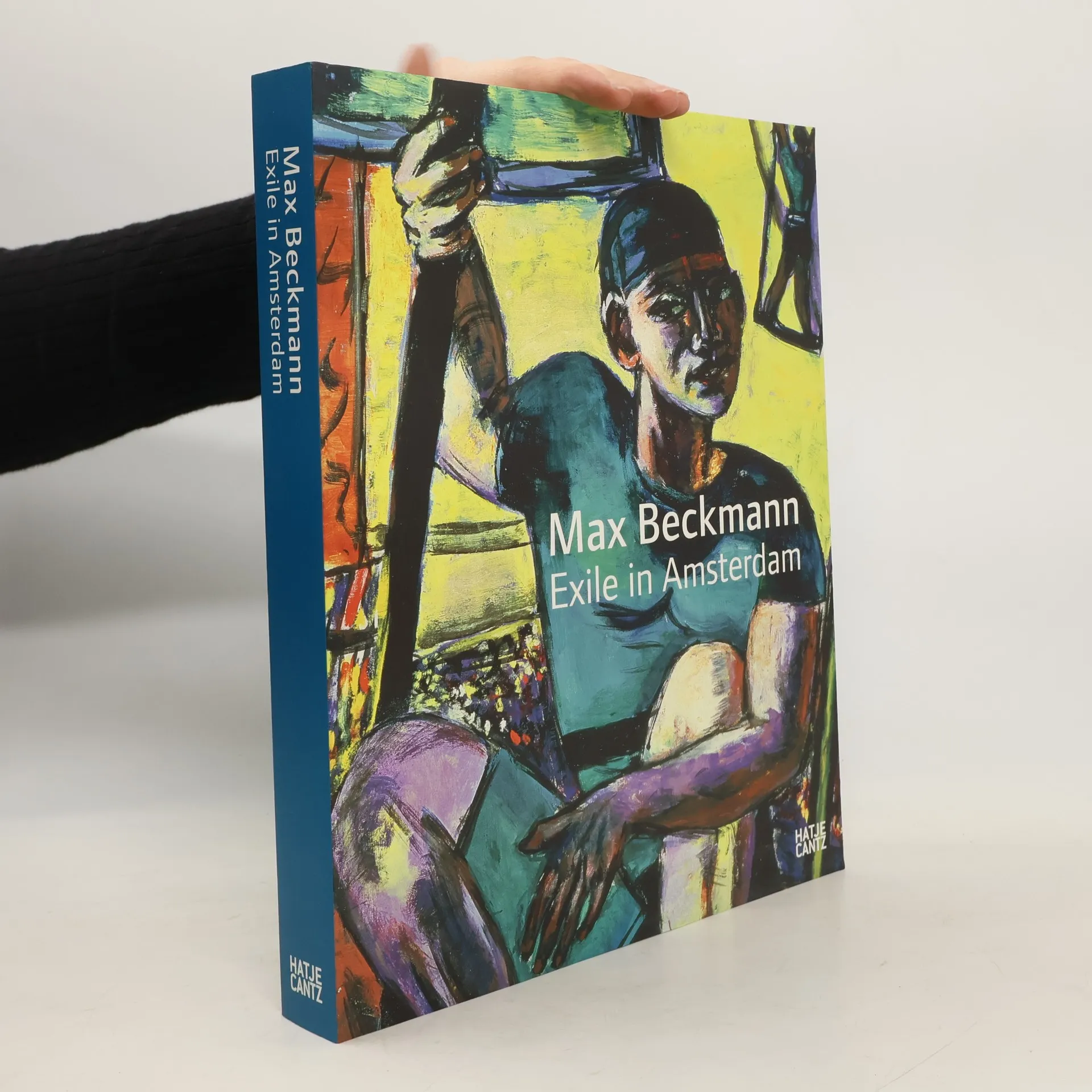
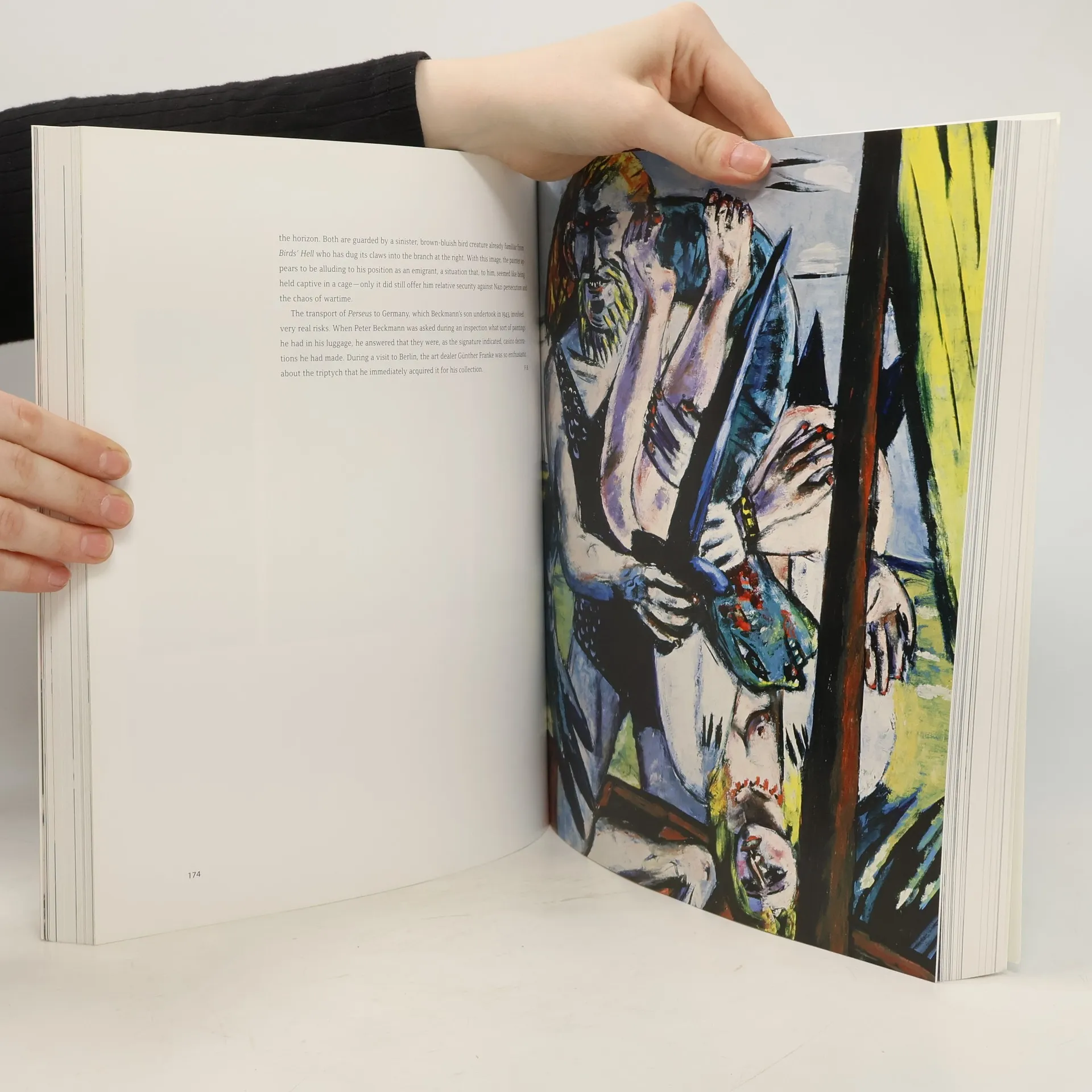
Between 1937 and 1947, while he was in exile in Amsterdam, the German-born painter Max Beckmann (1884-1950) made approximately a third of the work he would create in his lifetime. When he moved on, it was to accept an appointment as a professor at Washington University in St. Louis. Before that peacetime respite, he countered Europe's threatening instability with intense concentration. Max Beckmann in Amsterdam opens with the last work he completed in Germany, a triptych titled Versuchung ( Temptation ), and dedicates the balance of its pages to the paintings and drawings from his years in Holland. These widely varied responses to his immediate historical and biographical situation show horror of developments in Nazi Germany and constant physical and mental tension created by his wartime surroundings. As a body of work, Beckmann's Amsterdam portfolio is not only of great importance in understanding his motivations and methods, and in itself a record of the most productive phase in his life, but also a critical examination of a crucial moment in twentieth-century history.
Zakup książki
Max Beckmann - exile in Amsterdam, Carla Schulz Hoffmann
- Język

- Rok wydania
- 2007
- Oprawa
- (twarda)
Metody płatności
Brakuje nam tutaj Twojej recenzji.
- Tytuł
- Max Beckmann - exile in Amsterdam
- Język
- angielski
- Autorzy
- Carla Schulz Hoffmann
- Wydawca
- Hatje Cantz
- Rok wydania
- 2007
- Oprawa
- twarda
- ISBN10
- 3775718389
- ISBN13
- 9783775718387
- Seria
- Kategorie
- Tagi
- Sztuka, Katalogi wystaw
- Ocena
- 4,15 z 5
- Opis
- Between 1937 and 1947, while he was in exile in Amsterdam, the German-born painter Max Beckmann (1884-1950) made approximately a third of the work he would create in his lifetime. When he moved on, it was to accept an appointment as a professor at Washington University in St. Louis. Before that peacetime respite, he countered Europe's threatening instability with intense concentration. Max Beckmann in Amsterdam opens with the last work he completed in Germany, a triptych titled Versuchung ( Temptation ), and dedicates the balance of its pages to the paintings and drawings from his years in Holland. These widely varied responses to his immediate historical and biographical situation show horror of developments in Nazi Germany and constant physical and mental tension created by his wartime surroundings. As a body of work, Beckmann's Amsterdam portfolio is not only of great importance in understanding his motivations and methods, and in itself a record of the most productive phase in his life, but also a critical examination of a crucial moment in twentieth-century history.