

Parametry
- 209 stron
- 8 godzin czytania
Więcej o książce
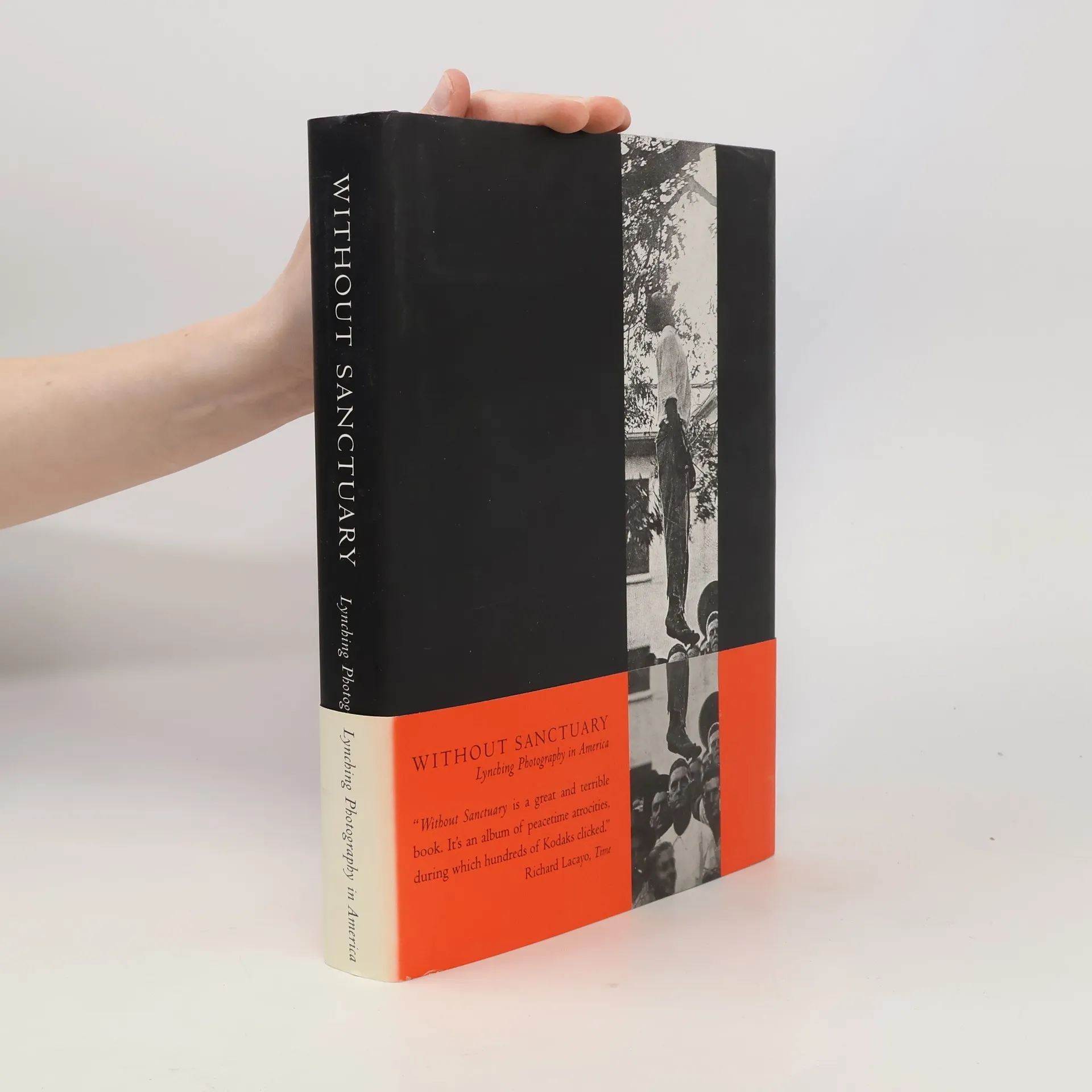
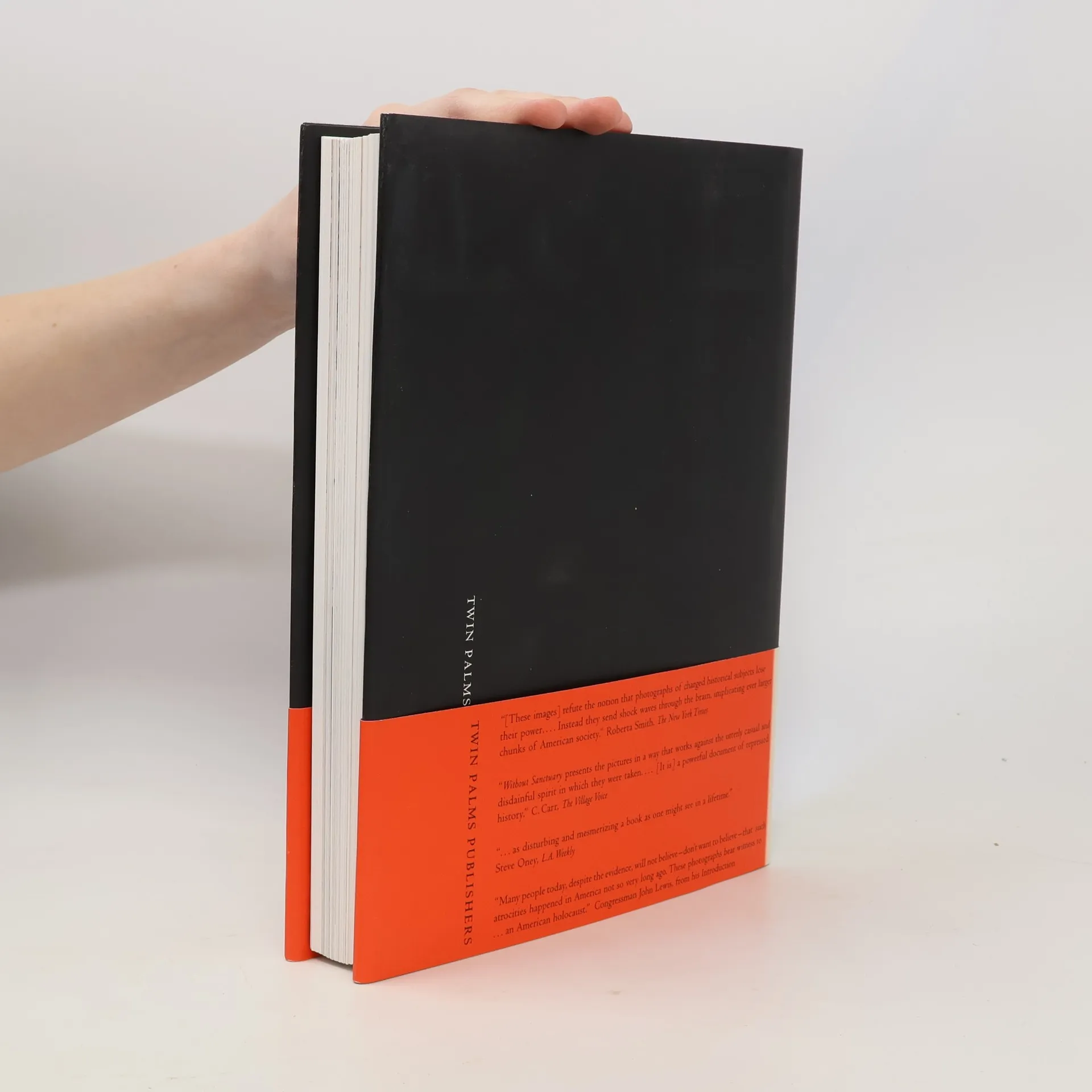
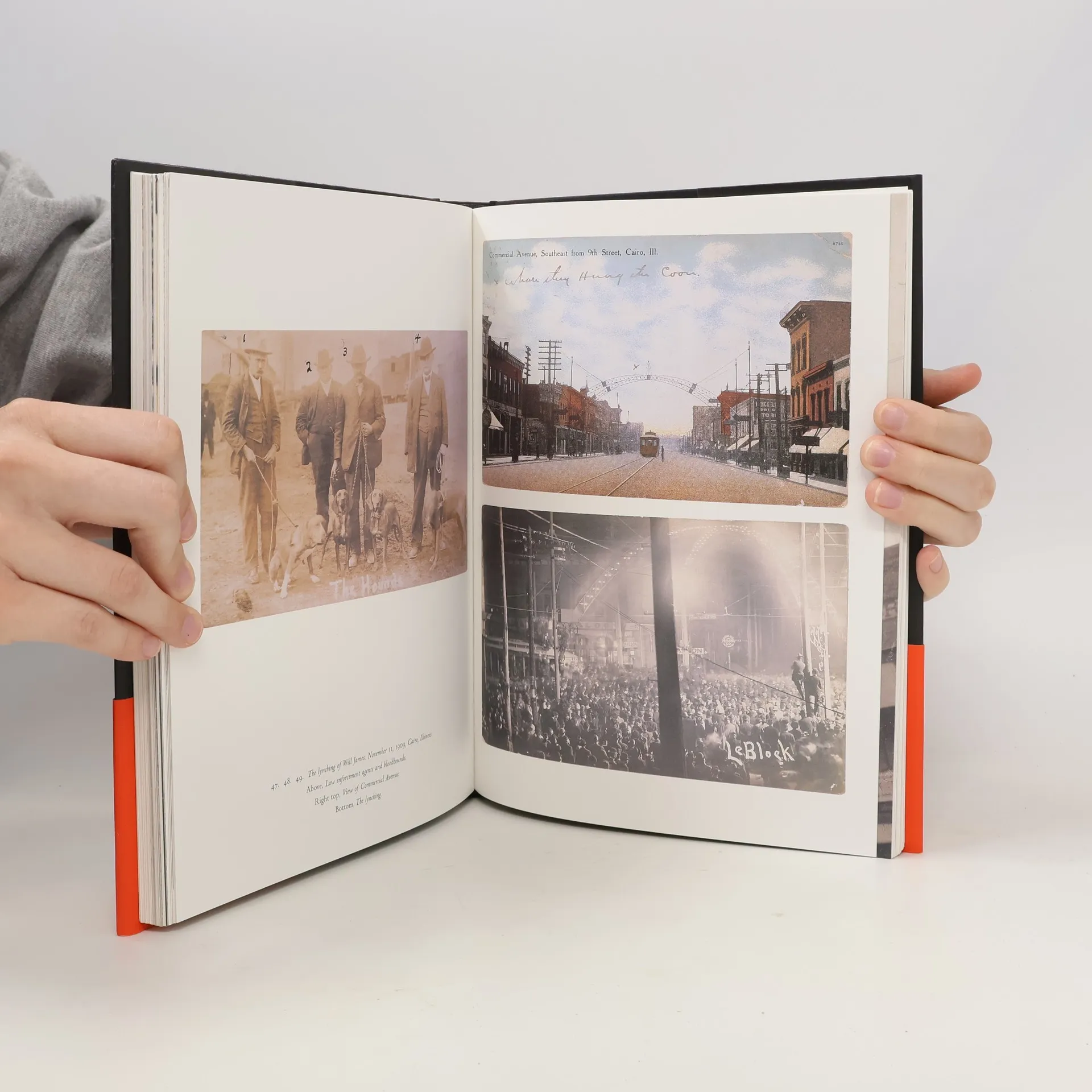
The Tuskegee Institute records the lynching of 3,436 blacks between 1882 and 1950. This is probably a small percentage of these murders, which were seldom reported, and led to the creation of the NAACP in 1909, an organization dedicated to passing federal anti-lynching laws. Through all this terror and carnage someone -- many times a professional photographer -- carried a camera and took pictures of the events. These lynching photographs were often made into postcards and sold as souvenirs to the crowds in attendance. These images are some of photography's most brutal, surviving to this day so that we may now look back on the terrorism unleashed on America's African-American community and perhaps know our history and ourselves better. The almost one hundred images reproduced here are a testament to the camera's ability to make us remember what we often choose to forget.
Zakup książki
Without sanctuary, James Allen
- Język

- Rok wydania
- 2000
- Oprawa
- (twarda)
Metody płatności
Brakuje nam tutaj Twojej recenzji.
- Tytuł
- Without sanctuary
- Język
- angielski
- Autorzy
- James Allen
- Wydawca
- Twin Palms Publishers
- Rok wydania
- 2000
- Oprawa
- twarda
- Liczba stron
- 209
- ISBN10
- 0944092691
- ISBN13
- 9780944092699
- Seria
- Ocena
- 4,65 z 5
- Opis
- The Tuskegee Institute records the lynching of 3,436 blacks between 1882 and 1950. This is probably a small percentage of these murders, which were seldom reported, and led to the creation of the NAACP in 1909, an organization dedicated to passing federal anti-lynching laws. Through all this terror and carnage someone -- many times a professional photographer -- carried a camera and took pictures of the events. These lynching photographs were often made into postcards and sold as souvenirs to the crowds in attendance. These images are some of photography's most brutal, surviving to this day so that we may now look back on the terrorism unleashed on America's African-American community and perhaps know our history and ourselves better. The almost one hundred images reproduced here are a testament to the camera's ability to make us remember what we often choose to forget.