

Więcej o książce
Al-Jazeera and other satellite television stations have revolutionized Arab politics by breaking state control over information and amplifying previously silenced voices. This new media landscape has fostered open debate on critical issues such as Iraq, Palestine, Islamism, and Arab identity, redefining what it means to be Arab and reshaping political possibilities. As Marc Lynch illustrates, the era of a singular Arab opinion has ended. The ways in which Arab governments and the United States respond to this empowered public sphere will significantly influence the future of the region. Lynch utilizes interviews from the Middle East and analyzes Arab satellite programs, op-eds, and public opinion polls to explore the development and impact of this new public sphere. He focuses on the contentious issue of Iraq, which has deeply divided Arab opinion, to demonstrate how media has transformed public discourse. Detailed discussions reveal how differing views on Saddam’s regime led to a shared perception of the sanctions' impact as a symbol of collective suffering. This shared anger and despair have shaped Arab perspectives on America, their governments, and their identities. Lynch suggests that the U.S. should engage with the Arab public sphere authentically, rather than treating it as an adversary or a tool for manipulation, advocating for a more genuine approach to understanding and interacting with Arab public sentiment.
Zakup książki
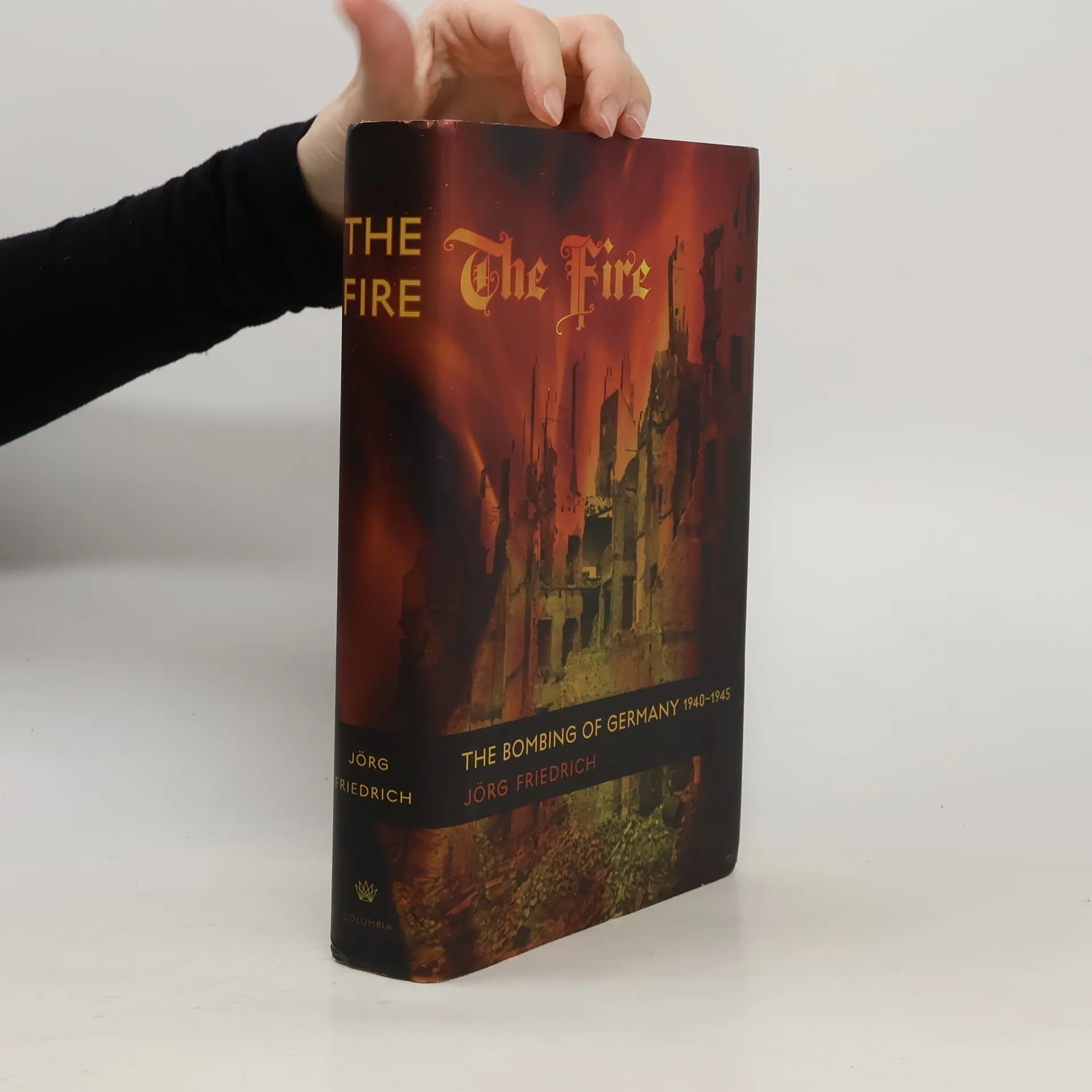
The fire, Jörg Friedrich
- Język

- Rok wydania
- 2006
- Oprawa
- (twarda)
Metody płatności
Brakuje nam tutaj Twojej recenzji.
- Tytuł
- The fire
- Język
- angielski
- Autorzy
- Jörg Friedrich
- Wydawca
- Columbia Univ. Press
- Rok wydania
- 2006
- Oprawa
- twarda
- Liczba stron
- 552
- ISBN10
- 0231133804
- ISBN13
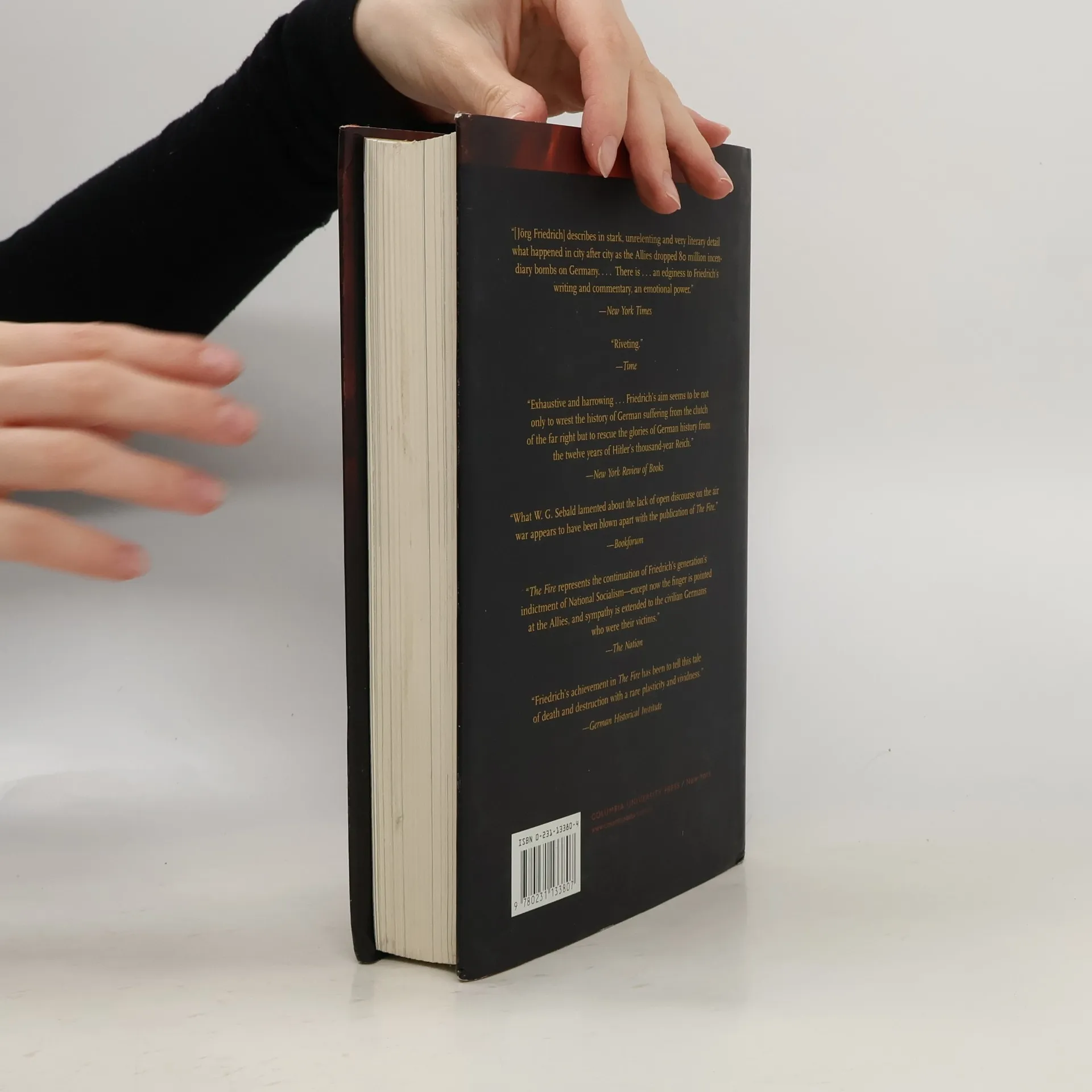
- 9780231133807
- Seria
- Kategorie
- Oryginalna nazwa
- Der Brand
- Ocena
- 3,9 z 5
- Opis
- Al-Jazeera and other satellite television stations have revolutionized Arab politics by breaking state control over information and amplifying previously silenced voices. This new media landscape has fostered open debate on critical issues such as Iraq, Palestine, Islamism, and Arab identity, redefining what it means to be Arab and reshaping political possibilities. As Marc Lynch illustrates, the era of a singular Arab opinion has ended. The ways in which Arab governments and the United States respond to this empowered public sphere will significantly influence the future of the region. Lynch utilizes interviews from the Middle East and analyzes Arab satellite programs, op-eds, and public opinion polls to explore the development and impact of this new public sphere. He focuses on the contentious issue of Iraq, which has deeply divided Arab opinion, to demonstrate how media has transformed public discourse. Detailed discussions reveal how differing views on Saddam’s regime led to a shared perception of the sanctions' impact as a symbol of collective suffering. This shared anger and despair have shaped Arab perspectives on America, their governments, and their identities. Lynch suggests that the U.S. should engage with the Arab public sphere authentically, rather than treating it as an adversary or a tool for manipulation, advocating for a more genuine approach to understanding and interacting with Arab public sentiment.