

Więcej o książce
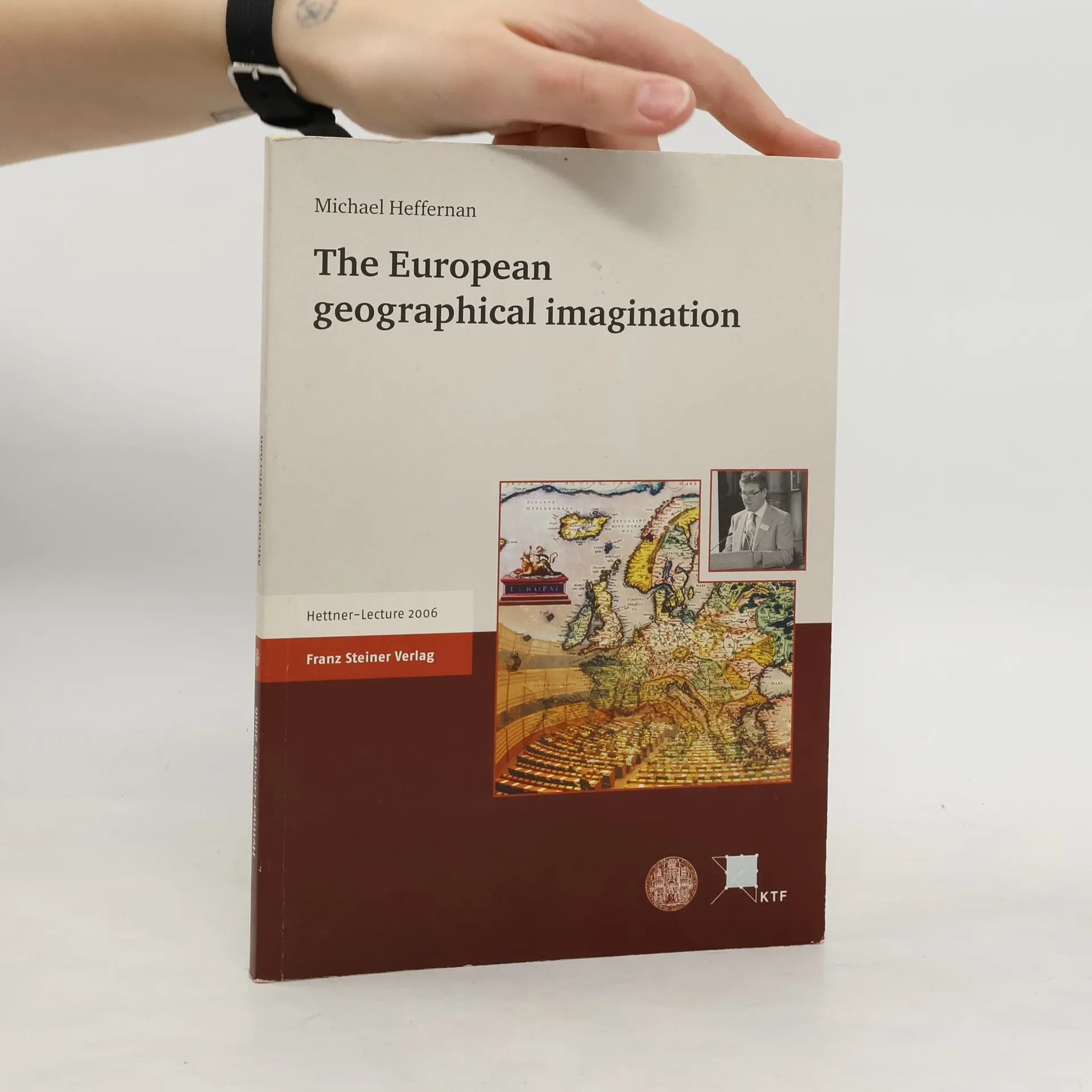
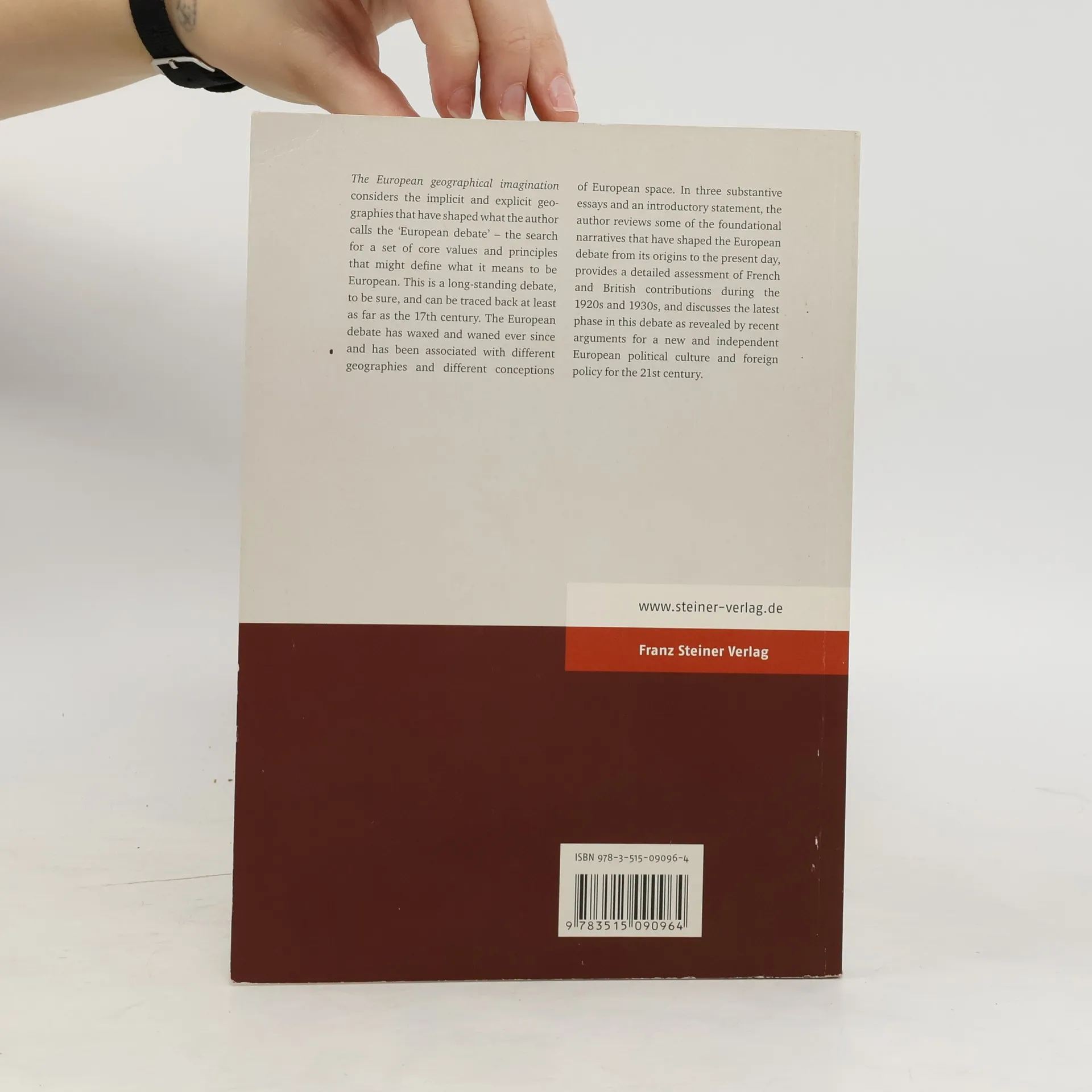
The European Geographical Imagination considers the implicit and explicit geographies that have shaped what the author calls the ‘European debate’ – the search for a set of core values and principles that might define what it means to be European. This is a long-standing debate, to be sure, and can be traced back at least as far as the 17th century. The European debate has waxed and waned ever since and has been associated with different geographies and different conceptions of European space. In three substantive essays and an introductory statement, the author reviews some of the foundational narratives that have shaped the European debate from its origins to the present day, provides a detailed assessment of French and British contributions during the 1920s and 1930s, and discusses the latest phase in this debate as revealed by recent arguments for a new and independent European political culture and foreign policy for the 21st century.
Zakup książki
The European geographical imagination, Michael Heffernan
- Język

- Rok wydania
- 2007
- Oprawa
- (miękka)
Metody płatności
Nikt jeszcze nie ocenił.
- Tytuł
- The European geographical imagination
- Język
- angielski
- Autorzy
- Michael Heffernan
- Wydawca
- Steiner
- Rok wydania
- 2007
- Oprawa
- miękka
- Liczba stron
- 102
- ISBN10
- 3515090967
- ISBN13
- 9783515090964
- Seria
- Kategorie
- Opis
- The European Geographical Imagination considers the implicit and explicit geographies that have shaped what the author calls the ‘European debate’ – the search for a set of core values and principles that might define what it means to be European. This is a long-standing debate, to be sure, and can be traced back at least as far as the 17th century. The European debate has waxed and waned ever since and has been associated with different geographies and different conceptions of European space. In three substantive essays and an introductory statement, the author reviews some of the foundational narratives that have shaped the European debate from its origins to the present day, provides a detailed assessment of French and British contributions during the 1920s and 1930s, and discusses the latest phase in this debate as revealed by recent arguments for a new and independent European political culture and foreign policy for the 21st century.