


Więcej o książce
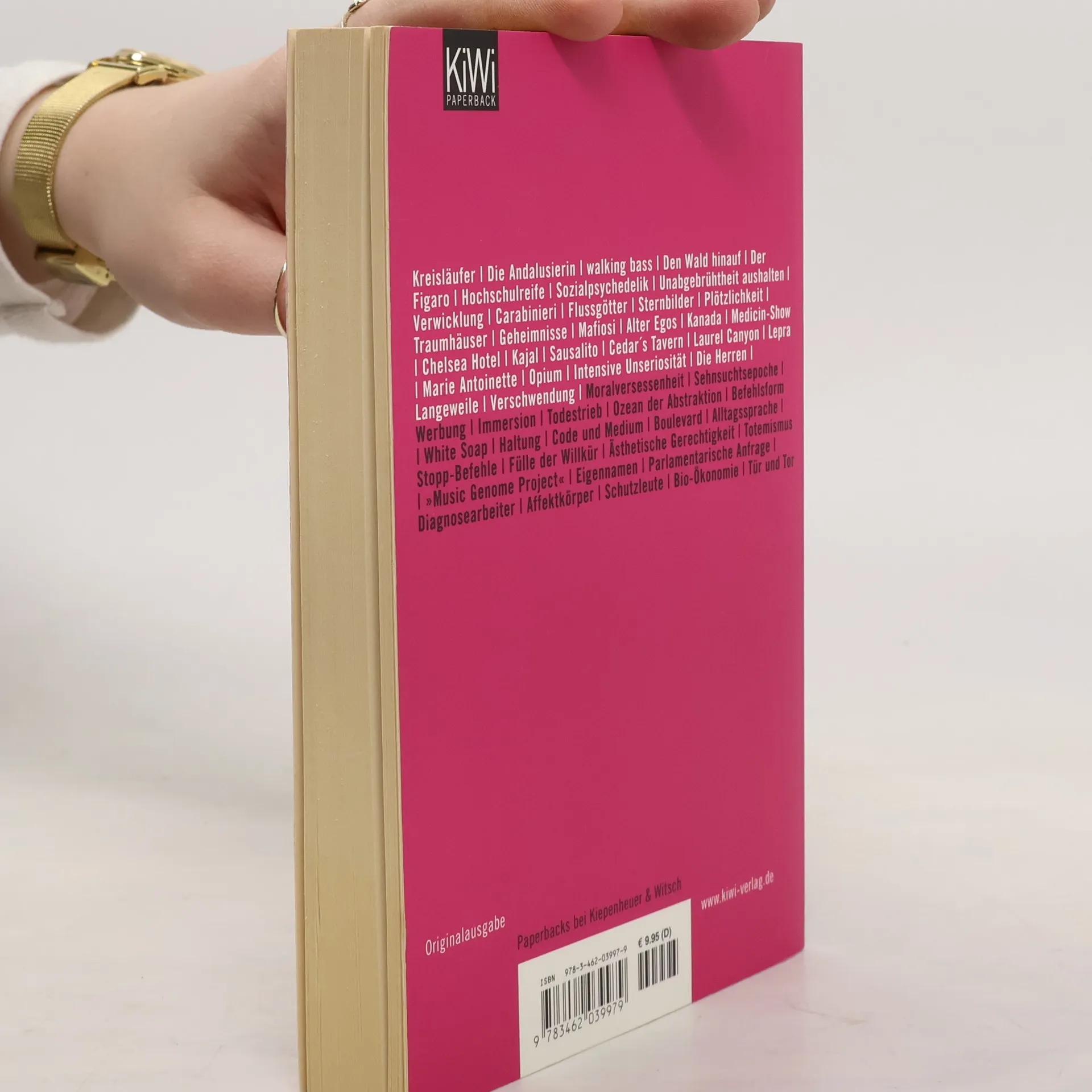
Diedrich Diederichsen explores the intersections of art, culture, and politics, examining figures like Georg Büchner, Andy Warhol, and Bob Dylan, alongside movements and concepts from the post-war era to the vibrant 1960s. This period, marked by generational shifts and new lifestyles, has significantly influenced contemporary art, feeding the current art market's hype. Diederichsen questions the authenticity of this excitement, probing the political and artistic developments within subcultures and the market. He critiques the notion of the underground and counterculture, suggesting that the art world grapples with the shadows of these ideas. Is this a betrayal or decline, or do connections to a world beyond the market exist? He highlights themes like self-actualization and flexibility, which resonate with leftist ideals but also reflect the harsh realities of neoliberal constraints. Through a compelling analysis, Diederichsen offers a thorough examination of recent decades in contemporary art and pop culture, linking this work to his previous writings on freedom, political corrections, and the journey toward the center.
Zakup książki
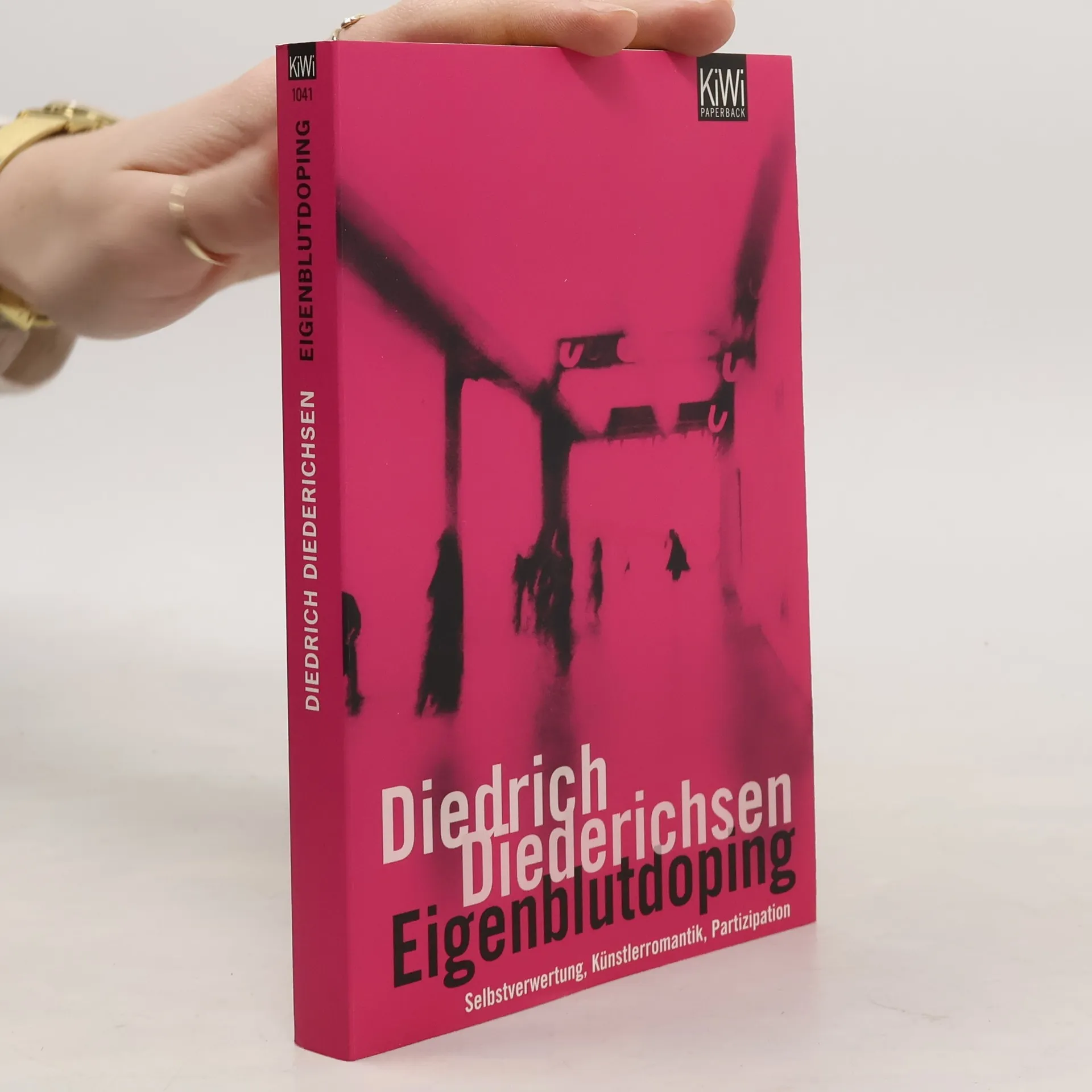
Eigenblutdoping, Diedrich Diederichsen
- Język

- Rok wydania
- 2008
- Oprawa
- (miękka)
Metody płatności
Brakuje nam tutaj Twojej recenzji.
- Tytuł
- Eigenblutdoping
- Podtytuł
- Selbstverwertung, Künstlerromantik, Partizipation
- Język
- niemiecki
- Autorzy
- Diedrich Diederichsen
- Wydawca
- Kiepenheuer & Witsch
- Rok wydania
- 2008
- Oprawa
- miękka
- Liczba stron
- 278
- ISBN10
- 3462039970
- ISBN13
- 9783462039979
- Seria
- Kategorie
- Ocena
- 3,55 z 5
- Opis
- Diedrich Diederichsen explores the intersections of art, culture, and politics, examining figures like Georg Büchner, Andy Warhol, and Bob Dylan, alongside movements and concepts from the post-war era to the vibrant 1960s. This period, marked by generational shifts and new lifestyles, has significantly influenced contemporary art, feeding the current art market's hype. Diederichsen questions the authenticity of this excitement, probing the political and artistic developments within subcultures and the market. He critiques the notion of the underground and counterculture, suggesting that the art world grapples with the shadows of these ideas. Is this a betrayal or decline, or do connections to a world beyond the market exist? He highlights themes like self-actualization and flexibility, which resonate with leftist ideals but also reflect the harsh realities of neoliberal constraints. Through a compelling analysis, Diederichsen offers a thorough examination of recent decades in contemporary art and pop culture, linking this work to his previous writings on freedom, political corrections, and the journey toward the center.